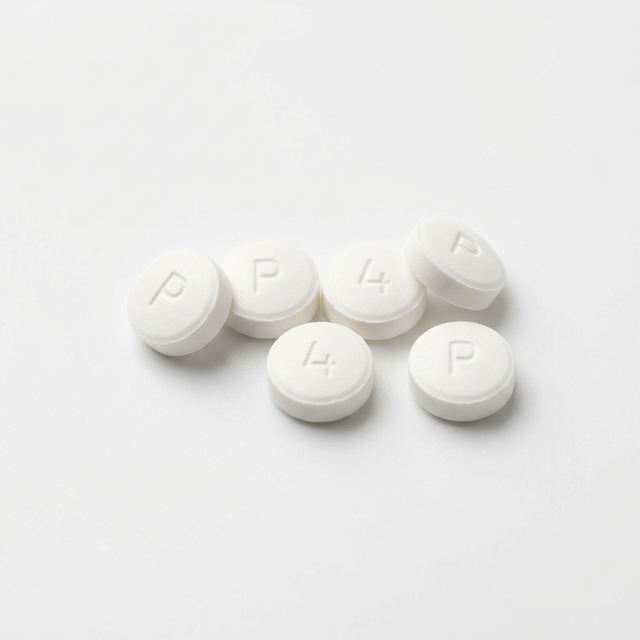
What is this medication
Hydromorphone, universally recognized in the United States by its legendary brand name Dilaudid, is one of the most powerful and fast-acting analgesic agents in the modern medical arsenal.
Synthesized directly from Morphine in Germany in the 1920s, it was engineered specifically to provide faster, stronger pain relief while minimizing the severe gastric side effects (nausea/vomiting) historically associated with its parent drug.
In the present-day U.S. healthcare system, hydromorphone is primarily a highly restricted inpatient drug.
Because it is roughly 5 to 7 times more potent than morphine milligram-for-milligram, it is absolutely reserved for the upper echelons of pain: severe burns, massive crush injuries, major orthopedic surgeries, and end-stage cancer pain.
Due to its intense, immediate euphoric "rush" when injected intravenously, it possesses one of the highest abuse and addiction profiles of any known substance.
This has led the DEA to enforce draconian Schedule II restrictions on its prescription and distribution.
| Clinical Specification | Detail |
|---|---|
| Chemical Derivation | Hydrogenated ketone of morphine |
| Pharmacologic Class | Full Mu-Opioid Receptor Agonist |
| DEA Schedule | Schedule II (C-II) |
| Common U.S. Brands | Dilaudid, Exalgo (Extended Release) |
What is it used for
U.S. clinical protocols demand that hydromorphone only be utilized when alternative opioids like Oxycodone or Hydrocodone have completely failed.
It is also used when the initial presentation of pain is so catastrophic that lesser agents are immediately deemed useless.
- Acute Inpatient Trauma (IV Push): The "gold standard" in modern U.S. Emergency Rooms for managing agonizing pain (kidney stones, sickle cell crises, major bone fractures) because a tiny intravenous dose hits maximum efficacy in exactly 5 to 10 minutes.
- Patient-Controlled Analgesia (PCA): The most commonly loaded drug in U.S. hospital IV pain pumps following major surgery (like spinal fusions or open-heart surgery), allowing patients to self-administer micro-doses of Dilaudid constantly.
- Renal Safe Opioid Therapy: Unlike morphine, hydromorphone does NOT break down into toxic active metabolites that destroy the kidneys. Therefore, it is the absolute preferred strong opioid for patients suffering from Chronic Kidney Disease (CKD) or undergoing dialysis.
- Palliative Oncology: For terminal cancer patients totally tolerant to weaker opioids, oral Exalgo (Extended-Release Dilaudid) or concentrated liquid Dilaudid is utilized to push through massive opioid tolerances.
How it works
Hydromorphone achieves its staggering potency through highly concentrated, direct binding to the central nervous system's endogenous opioid receptors, combined with a unique molecular lipophilicity (fat-solubility).
- The Mu-Receptor Dominance: It binds with massive affinity directly to the mu-opioid (μ-opioid) receptors in the brain and spinal cord. It brutally suppresses the ascending transmission of pain signals while hyper-activating the descending inhibitory pathways.
- Rapid Brain Penetration: Because the hydromorphone molecule is highly lipid-soluble, it crosses the blood-brain barrier significantly faster than morphine. When administered intravenously, this causes the pain relief—and the powerful euphoric high—to hit the brain almost instantaneously.
- Low Histamine Profile: One of its greatest pharmacological advantages over morphine is that it triggers very little histamine release from mast cells. Therefore, it causes vastly less itching (pruritus) and severe drops in blood pressure (hypotension).
Dosage guide
Hydromorphone dosing requires extreme caution. A severe, fatal U.S. medical error occurs when inexperienced clinicians prescribe it at the same milligram doses they would use for morphine or oxycodone.
Opioid Equivalence: The Potency Gap
| Formulation & Scenario | Standard Initial Dose (Opioid-Naive Adult) | Clinical Notes |
|---|---|---|
| Intravenous (IV) Push | 0.2mg to 1mg every 2-3 hours | Must be injected very slowly (over 2-3 minutes) to prevent sudden, fatal respiratory arrest. Peak effect in 10 mins. |
| Oral Tablets (Immediate Release) | 2mg to 4mg every 4-6 hours | Only given to patients transitioning off IV Dilaudid for discharge. Acts slower but lasts slightly longer (4 hrs). |
| Exalgo (Extended Release Tablet) | 8mg once every 24 hours | Strictly for opioid-tolerant chronic pain/cancer patients. Contains a massive, potentially fatal dose if crushed. |
Side effects
Hydromorphone causes profound, systemic central nervous system depression. While it causes less itching and nausea than morphine, its sedative and respiratory impacts are exceptionally dangerous.
Common U.S. clinical observations include:
- Fatal Respiratory Depression: The brainstem completely loses its sensitivity to carbon dioxide. The patient simply stops feeling the need to breathe. If overdosed, or combined with other sedatives, breathing ceases entirely within minutes.
- Profound Sedation: Dilaudid causes extreme, heavy lethargy ("nodding off") and cognitive clouding. Patients frequently fall asleep mid-conversation immediately following an IV dose.
- Opioid-Induced Constipation (OIC): Like all strong mu-agonists, it paralyzes the smooth muscle in the intestines. Without a strict osmotic laxative protocol, severe bowel blockages are virtually guaranteed.
Warnings and precautions
Critical USA Precautions:
- Head Trauma Avoidance: Hydromorphone is strictly contraindicated in patients with severe head injuries or intracranial lesions. The respiratory depression it causes elevates carbon dioxide levels in the blood, which drastically increases pressure inside the skull, worsening brain damage.
- Asthma / COPD: Because it drastically lowers the respiratory drive, giving Dilaudid to a patient with severe asthma or COPD can rapidly trigger a hypoxic (low oxygen) crisis.
Drug interactions
Hydromorphone's overwhelming central nervous system dominance makes it highly hazardous when mixed with any other agent that suppresses the brain:
- Benzodiazepines (Xanax, Valium): The U.S. FDA strictly warns against this combination. Benzos relax the physical muscles of the chest, while hydromorphone turns off the brain's command to breathe. Together, they are the leading cause of opioid-related respiratory arrest.
- Alcohol: Exponentially increases CNS depression. If a patient takes an Exalgo (Extended-Release) capsule and drinks alcohol, the alcohol dissolves the pill's time-release coating. The pill "dose-dumps" 24-hours' worth of Dilaudid straight into the blood, guaranteeing a fatal overdose.
- Anti-Psychotics (Seroquel, Zyprexa): Combining these agents drastically increases the risk of severe sedation and profound drops in blood pressure upon standing.
Alternatives
Due to the extreme addiction and overdose parameters of Dilaudid, U.S. clinical protocols actively seek to "step down" patients to weaker alternatives as rapidly as possible:
- Outpatient Step-Down: Once a patient leaves the intensive care unit, they are almost universally transitioned off IV Dilaudid to oral Oxycodone (Percocet) or Hydrocodone (Norco) for discharge.
- Non-Opioid Sparing: In U.S. hospitals, maximizing doses of IV Acetaminophen and IV NSAIDs (Ketorolac) prior to surgery has been proven to drastically reduce the total amount of Dilaudid a patient requires post-op.
- The Fentanyl Alternative: If a patient requires immediate, massive pain relief but has severe blood pressure issues (shock), Fentanyl is preferred over Dilaudid because it is highly "cardiac stable" and does not drop blood pressure.
Cost in the United States
While the physical drug is cheap to manufacture, its utilization within the U.S. healthcare system varies wildly in cost based on the formulation.
| Formulation Type | Cost Details & Coverage |
|---|---|
| Oral Immediate Release (Generic Dilaudid Tablets) | Highly affordable generic. Usually costs under $15-$25 for a 30-day supply. Universally covered as a Tier 1 medication by commercial insurance and Medicare. |
| Intravenous (IV/PCA Pumps) | Administered exclusively in hospitals. The drug itself costs the hospital pennies, but the administration/monitoring cost is bundled into massive inpatient (DRG) hospital bills. |
| Oral Extended Release (Brand Name Exalgo) | Exorbitantly expensive (often exceeding $600-$900/month). It faces massive Prior Authorization barriers; U.S. insurances force patients to fail MS Contin (Morphine ER) before covering Exalgo. |
Availability in the US healthcare system
Obtaining oral hydromorphone in the United States outside of a hospital setting places the patient under the most stringent DEA scrutiny possible.
Comparison with other medications
Understanding hydromorphone's clinical standing requires comparing it directly to the other "heavyweight" narcotics used in U.S. trauma centers.
| Medication Comparison | Key Differences & Clinical Profile |
|---|---|
| Hydromorphone vs. Morphine | Hydromorphone is 5-7x stronger, acts vastly faster, causes less nausea, and is safe for kidney failure patients. Morphine causes more itching/blood pressure drops but lasts slightly longer and is the preferred standard for hospice care. |
| Hydromorphone vs. Fentanyl | Fentanyl is the only drug significantly stronger (roughly 10x stronger than Dilaudid). Fentanyl hits the brain in seconds but wears off in 30 minutes. Dilaudid hits in 5 minutes but provides 2-3 hours of sustained, crushing pain relief, making it better for post-surgical recovery. |
Safety guidance
If discharged from a U.S. hospital with an oral Dilaudid prescription, failure to follow these rules is frequently fatal:
- Narcan is Mandatory: You must have a Narcan (naloxone) nasal spray kit in your home. If you fall asleep and your breathing becomes rattling or shallow, your family must administer it immediately to reverse the overdose.
- Dosing Precision: 2mg of Dilaudid is NOT a small dose. It is the rough equivalent of taking two full Vicodin simultaneously. Never take "an extra pill" because your pain flared up; you will stop breathing.
- Do Not Share: Giving a single Dilaudid pill to a friend or spouse who is "opioid-naive" (does not regularly take strong painkillers) can kill them. It is highly illegal and incredibly dangerous.
Frequently Asked Questions
Is Dilaudid the strongest painkiller?
Why did the ER doctor give me Dilaudid instead of Morphine for my kidney stone?
Is Dilaudid an opioid?
Why do pharmacists treat my Dilaudid prescription with such suspicion?
How fast does IV Dilaudid work?
Can I take Dilaudid if I am allergic to Morphine?
Is Dilaudid highly addictive?
Why can't I get a refill on my Dilaudid prescription?
What is the difference between Dilaudid and Exalgo?
Will taking Dilaudid make me constipated?
How long does Dilaudid stay in your system?
Can I drink alcohol while taking Dilaudid?
What happens if I crush an Exalgo pill?
Why did my doctor say Dilaudid is better for my kidneys than Morphine?
What are the withdrawal symptoms of Dilaudid?
Expert Verified Content
This clinical guide on Hydromorphone has been reviewed for accuracy by the US Pain Meds Medical Review Board, adhering to current FDA, NIH, and CDC standards in the United States.
Clinical References & Authority Sources
- U.S. Food and Drug Administration (FDA). Drugs@FDA Database.
- National Institutes of Health (NIH). DailyMed Library.
- Centers for Disease Control and Prevention (CDC). Pain Management Guidelines.
- Drug Enforcement Administration (DEA). Controlled Substance Act Schedules.