Trusted Pain Relief Information & Medication Guides in the United States
Evidence-based information about pain medications, treatments and safe pain management strategies for patients and healthcare educators.

Medication Treatment Guides
Explore clinical data on every major class of pain medication available in the United States.
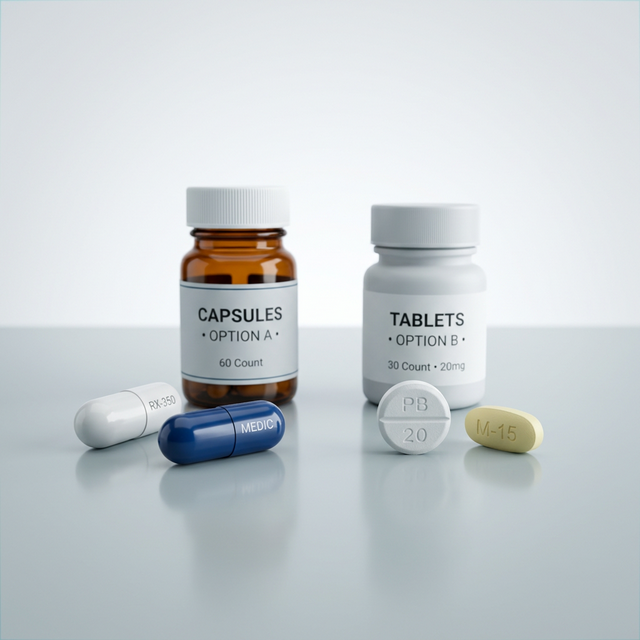
OTC Pain Relievers
Guides for Acetaminophen (Tylenol), Ibuprofen (Advil), and Naproxen (Aleve) usage in the US.
Explore OTC →
Prescription Pain Medications
Clinical information on FDA-approved prescription non-opioid and controlled treatments.
Clinical Guides →
Nerve Pain Medications
Specialized treatments for neuropathy, including Gabapentin and Pregabalin clinical data.
Neuropathy Relief →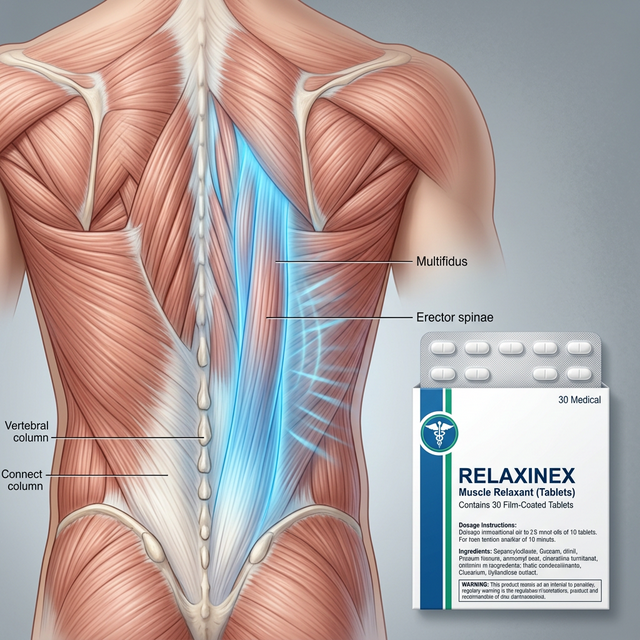
Muscle Relaxants
Safety protocols for cyclobenzaprine and baclofen used in acute musculoskeletal spasms.
Spasm Relief →
Anti-Inflammatory Drugs
Targeted relief for inflammatory conditions using COX-2 inhibitors and non-selective NSAIDs.
Inflammation Guide →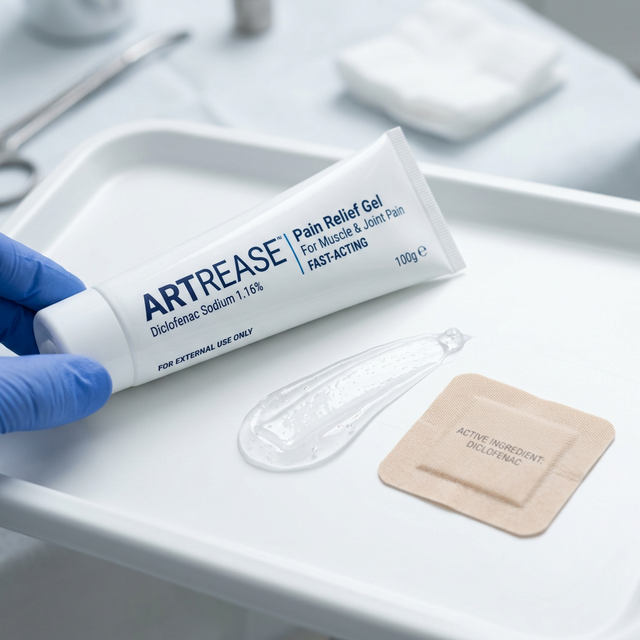
Topical Pain Relief
Lidocaine patches, Voltaren gels, and other localized pain management options.
Topical Options →Conditions We Cover
Comprehensive resources matching specific conditions to evidence-based treatment strategies and safe medication management.
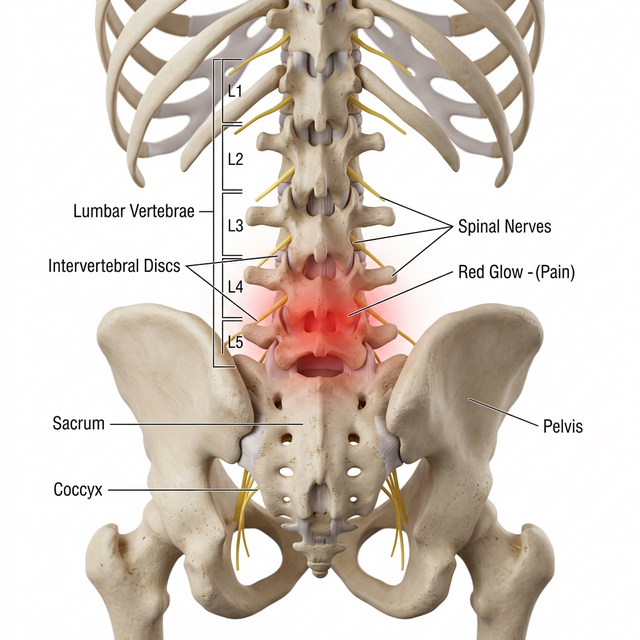
Back Pain Relief
Physical therapy, non-opioid medications, and lumbar support.
Arthritis Relief
Rheumatoid and osteoarthritis targeted anti-inflammatory guidelines.

Migraine Relief
Triptans, CGRP inhibitors, and lifestyle intervention protocols.
Nerve Pain Relief
Neuropathic pain and diabetic peripheral neuropathy safety.
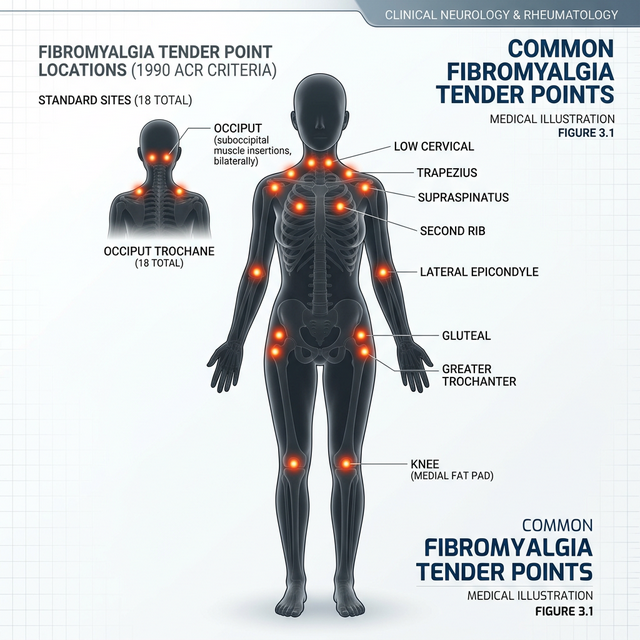
Fibromyalgia
Multi-modal relief including low-dose antidepressants.

Post-Surgical
Safe acute management following surgery and non-addictive protocols.
Why Trust PainMeds (USA)?
Our commitment to clinical accuracy and patient safety is the foundation of our educational resource.
Evidence Based Information
Data derived from ClinicalTrials.gov and FDA peer-reviewed outcomes.
Reviewed Medical Sources
Content validated against CDC and Mayo Clinic clinical standards.
United States Medication Data
Localized database specific to medications approved by the US FDA.
Safety First Guidelines
Emphasis on DEA scheduling and overdose prevention protocols.
Patient Focused Content
Complex pharmacology translated for patient understanding and literacy.
Featured Medication Guides
Reference clinical data for the most searched pain management therapies in the United States.



Clinical Tools & Comparisons
Quickly compare medication options and access critical safety guidelines for high-risk pain management.
Pain Medication Knowledge Hub
A comprehensive topic cluster for evidence-based pain relief and medical authority.
Medication Classes
Deep-dive guides into every major pharmacological category of pain relief.
Anti-inflammatory relief for chronic pain.
DEA Schedule II-IV clinical safety guides.
Neuropathic relief for chronic nerve injury.
For acute musculoskeletal spasms and pain.
Localized patches, gels, and creams.
Acetaminophen and ibuprofen usage guides.
Prescription-only clinical protocols.
Symptoms & Guides
Matching specific types of pain to evidence-based medical treatments.
Protocol for long-term pain management.
Rapid interventional relief strategies.
Specialized triptan and CGRP protocols.
Best options for lumbar and spinal relief.
Managing joint inflammation and wear.
Specific treatments for nerve injury.
Acute management protocols following surgery.
Safety & Risks
FDA-based safety guidelines and pharmacological risk management.
Preventing accidental overdose risks.
Common vs rare adverse drug reactions.
Avoiding dangerous medication combinations.
Risk evaluation and mitigation (REMS).
Warning signs of medical emergencies.
Resources for opioid use disorder help.
Pain management guidelines for children.
Comparative Data
Direct head-to-head comparisons for informed clinical choices.
Comparing potency and opioid risks.
Which NSAID lasts longer for pain?
Clinical efficacy for nerve injury.
Comparing the two most common opioids.
Acetaminophen vs Ibuprofen guide.
Comparing potency and clinical context.
Mild vs potent opioid safety profiles.
Frequently Asked Questions
Quick answers to common questions about pain management and medication safety in the USA.