Meloxicam vs Ibuprofen: Clinical Comparison, Potency & Side Effects

Meloxicam (Mobic) and Ibuprofen (Advil, Motrin) are the primary tools used in the United States to combat joint inflammation. While Ibuprofen is an Over-the-Counter staple, Meloxicam is a high-potency, prescription-only NSAID. The difference between them is primarily 'Efficiency': Meloxicam is a once-a-day treatment for chronic conditions, while Ibuprofen is an 'as-needed' tool for acute flares.
In the USA, U.S. rheumatologists often transition patients to Meloxicam when Ibuprofen is no longer convenient or effective for round-the-clock relief. This guide explores the U.S. clinical standards for dosing, the heart-health warnings, and why Meloxicam is the foundation of American arthritis care.

Dr. Kelsey Hopkins, MD
Dr. Hopkins practices rural family medicine in Southern Illinois, with a focus on community healthcare and chronic pain management.
Quick Reference Comparison
| Clinical Feature | Meloxicam | Ibuprofen |
|---|---|---|
| Primary Brand | Mobic | Advil / Motrin |
| Duration of Relief | 24 Hours (Once Daily) | 4 - 6 Hours (Frequent) |
| U.S. Legal Status | Prescription Only | OTC (up to 200mg) |
| Best For... | Osteoarthritis / Rheumatoid | Headaches / Minor Sports Injury |
| COX Selectivity | COX-2 Preferential | Non-Selective |
What is Meloxicam?

Meloxicam (Mobic) is an advanced NSAID designed for long-term maintenance. Its chemical profile is 'preferential' for the COX-2 enzyme—the one responsible for pain—while being slightly easier on the COX-1 enzyme that protects the stomach. In the USA, it is the #1 choice for chronic joint preservation because patients only need to take it once per morning, avoiding the 'peaks and valleys' of shorter-acting meds.
What is Ibuprofen?
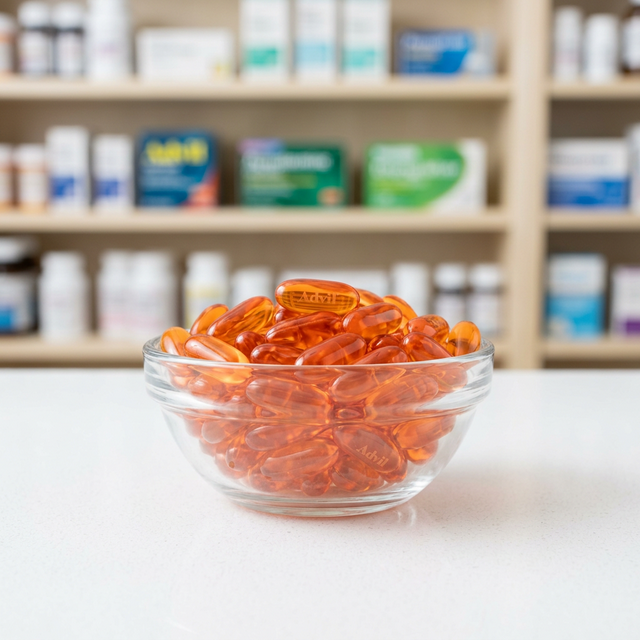
Ibuprofen is the most versatile anti-inflammatory in U.S. medicine. It is 'non-selective,' meaning it shuts down all prostaglandin production quickly. In the USA, it is the 'First Responder' medication for dental surgery, minor trauma, and fever. Because it leaves the U.S. patient's body fast, it is easier to stop if a side effect like stomach pain occurs.
Mechanism of Action: How They Work
Ibuprofen reaches its peak in about one hour. Meloxicam takes significantly longer—up to 4 hours—but its concentration in the American patient's blood stays stable for a full day. In U.S. orthopedic terms, Ibuprofen is for 'The Flare,' while Meloxicam is for 'The Disease'.
U.S. Dosing Strategy
Peak Blood Level
Ibuprofen (1 hr) vs Meloxicam (4 hrs).
Once Daily Logic
Meloxicam allows for 24-hr joint stabilization.
COX-2 Preference
Meloxicam is often slightly easier on the U.S. stomach.
FDA-Approved vs. Off-Label Uses
- Meloxicam: FDA-approved for Osteoarthritis, Rheumatoid Arthritis, and Juvenile Rheumatoid Arthritis.
- Ibuprofen: FDA-approved for fever, mild-to-moderate pain, and Dysmenorrhea.
Potency and Clinical Strength
One 15mg Meloxicam pill in the USA is roughly equivalent in anti-inflammatory power to 2,400mg of Ibuprofen taken throughout the day. This 'Consolidated Potency' is the primary reason American doctors switch patients to Meloxicam.
Bioavailability & Metabolism
Meloxicam has nearly 90% bioavailability in U.S. patients. It is metabolized heavily in the liver by the CYP2C9 enzyme. If an American patient is taking blood thinners like Coumadin (Warfarin), Meloxicam is significantly more dangerous than Ibuprofen due to its long-lasting impact on blood clotting.
Half-Life & Duration of Action
The 'King' of duration. Meloxicam half-life is 15-20 hours. Ibuprofen is only 2 hours. In U.S. clinical practice, if you miss a dose of Ibuprofen, you feel it in 4 hours; if you miss Meloxicam, you might not feel it until the next day.
Clinical Efficacy and Indications
Meloxicam is superior for: Hip/Knee replacement maintenance, Gout prevention. Ibuprofen is superior for: Tension headaches, Recent sprains, Fevers in U.S. children.
Typical Dosage and Administration
Meloxicam is dosed strictly at 7.5mg or 15mg. Ibuprofen is dosed 200mg to 800mg. American pharmacists warn that because Meloxicam pills are 'tiny,' U.S. patients often underestimate their power compared to the 'big' 800mg Ibuprofen tabs.
Side Effects and Adverse Reactions
Both cause the standard NSAID side effects: stomach upset and kidney strain. Meloxicam is statistically associated with a lower incidence of U.S. gastric ulcers but carries a steady 'Black Box' cardiovascular risk common to all high-potency NSAIDs.
Comprehensive Side Effect Analysis
| Area | Meloxicam | Ibuprofen |
|---|---|---|
| Dosage Freq | 1x Daily | 3-4x Daily |
| Heart Risk | High (Steady) | Moderate (Acute) |
| GI Bleed Risk | Moderate | Moderate / High |
| Kidney Load | Constant (24hr) | Short-burst |
🔴 Meloxicam Risks
- Nausea
- Diarrhea
- Upper respiratory tract infection
- Stomach pain
🔴 Ibuprofen Risks
- Heartburn
- Stomach upset
- Dizziness
- Gas
⚠ Critical Safety Note
Serious adverse reactions require immediate medical attention. The following are life-threatening signs:
- Fulminated Liver Injury
- Gastrointestinal Perforation
- Myocardial Infarction (Heart Attack)
Safety, Addiction Risk, and Controlled Status
⚠ U.S. Regulation: None
Zero addiction risk, but high 'Biological Risk'. Meloxicam should NOT be used by U.S. patients before or after heart bypass surgery (CABG). Ibuprofen should be used with extreme caution in American patients over 65 due to kidney failure risk.
- Never mix Meloxicam and Ibuprofen in the USA; it causes kidney failure.
- Both medications can worsen Asthma in sensitive U.S. patients.
- Meloxicam requires a 1-2 week 'ramp-up' period for full arthritis relief.
Pharmacy Cost & U.S. Healthcare Access
Generic Meloxicam and Ibuprofen are both Tier 1 generics, usually costing between $4-$12 per month at U.S. pharmacies with insurance or GoodRx.
Clinical Decision Flow: Which Should You Choose?
U.S. Specialists follow the 'Duration of Disease' rule.
U.S. Joint Pain Strategy
Frequently Asked Questions
No. It is a high-potency non-steroidal anti-inflammatory (NSAID). It does not cause a 'high' or addiction.
For chronic, long-term back stiffness, Meloxicam is often better. For sudden 'I pulled a muscle' pain, Ibuprofen is the faster responder in the USA.
Because in its U.S. clinical trials, its 24-hour power was deemed too dangerous for unsupervised use given the risk of kidney and heart issues.