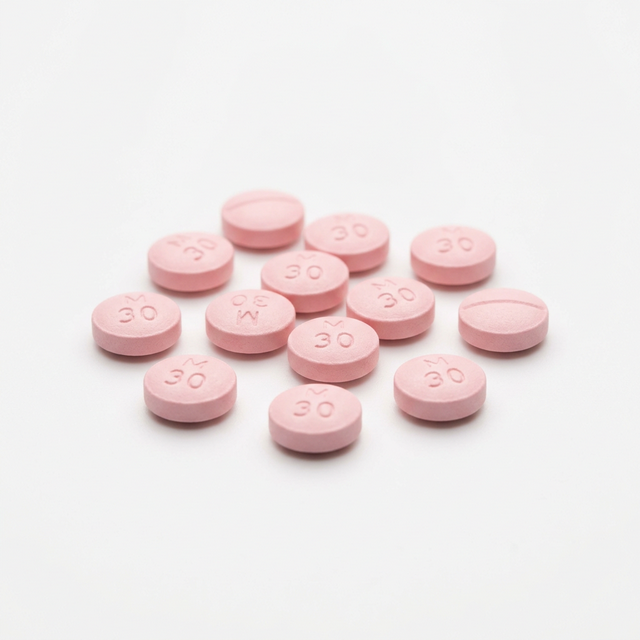
What is this medication
Morphine is the foundational opioid—a naturally occurring, overwhelmingly powerful narcotic extracted directly from the opium poppy plant.
In the United States medical system, it is considered the absolute "gold standard" of heavy analgesia.
Unlike over-the-counter medications like Ibuprofen, morphine does absolutely nothing to heal a physical injury or reduce swelling.
Instead, it crosses the blood-brain barrier and forcefully hijacks the central nervous system's reward and pain-processing centers, entirely altering the brain's perception of physical agony.
It creates profound pain suppression, intense euphoria, and massive physical sedation.
Because of its immense power to cause addiction and fatal respiratory depression, morphine is locked within the strictest regulatory framework of the U.S. Drug Enforcement Administration (DEA) as a Schedule II controlled substance.
| Clinical Specification | Detail |
|---|---|
| Chemical Derivation | Natural opiate alkaloid |
| Pharmacologic Class | Full Mu-Opioid Receptor Agonist |
| DEA Schedule | Schedule II (C-II) |
| Common U.S. Brands | MS Contin (ER), Roxanol, Kadian |
What is it used for
Morphine is fundamentally reserved for catastrophic, severe, or terminal pain presentations that cannot be managed by any other means.
- Acute Emergency Trauma: Universally utilized in U.S. emergency rooms and by paramedics to immediately force pain suppression following massive mechanical trauma (car crashes, severe burns, complex bone fractures).
- Post-Surgical Control: Frequently administered via IV or a Patient-Controlled Analgesia (PCA) pump directly following major, highly invasive, large-tissue surgeries (like open-heart surgery or major bowel resections).
- Terminal Pain (Palliative Care): The absolute cornerstone of American hospice care. Administered heavily in the final days of terminal cancer to prevent suffering, while simultaneously easing the feeling of "air hunger" as the lungs slowly fail.
- Myocardial Infarction (Heart Attack): Traditionally given directly via IV during a severe heart attack to shatter the crushing chest pain and reduce severe anxiety, which physically lowers the heart's immediate oxygen demand.
How it works
Morphine operates by achieving an absolute, direct blockade of the central nervous system's endogenous opioid pathways.
- The Mu-Opioid Blitz: Morphine floods the brain and spinal cord, violently agonizing (activating) the mu-opioid receptors. These receptors normally process the body's natural endorphins. The massive synthetic flood completely shuts off the ascending pain pathways traveling from the spinal cord to the brain.
- The Psychological Disconnect: Morphine does not necessarily "cure" the pain at the site of the injury. Instead, it alters the brain's limbic system. The patient may still objectively 'feel' the pain, but the brain simply stops caring that the pain exists, inducing a deeply euphoric, highly sedated apathy.
- The Fatal Side-Effect Mechanism: Unfortunately, the brainstem, which controls automatic breathing, is packed heavily with the exact same opiate receptors. When morphine binds here, it turns down the brain's sensitivity to carbon dioxide, physically forcing the body to stop breathing.
Dosage guide
Because it is the absolute baseline opioid, all other opioid doses in medicine are mathematically calculated via 'Morphine Milligram Equivalents' (MME) based precisely on how strong a standard dose of morphine is.
The Opioid Equivalence Scale (MME)
| Formulation & Scenario | Standard Initial Adult Dosage | Clinical Notes |
|---|---|---|
| Intravenous (IV) Hospital Use | 2mg to 4mg pushed slowly via IV | Hits the brain in less than 5 minutes. Creates a massive, overwhelming rush of euphoria followed by profound sedation. Requires constant cardiac monitoring. |
| Immediate Release (IR) Tablets | 15mg to 30mg every 4 hours | Usually given upon hospital discharge for severe post-op pain. Lasts intensely for about 4 hours before abruptly failing. |
| MS Contin (Extended Release) | 15mg to 30mg taken strictly every 12 hours | Used strictly for chronic, round-the-clock terminal cancer pain. The wax pill dissolves perfectly evenly over 12 solid hours. Do NOT crush. |
Side effects
Morphine is a profound depressant. Its side effects dominate every major system in the human body.
Common U.S. clinical observations include:
- Profound Constipation: One of the most dangerous, non-lethal side effects of heavy morphine use. The mu receptors in the intestines paralyze the bowels. Without aggressive laxative regimens, users suffer catastrophic, painful bowel blockages.
- Deep Sedation & Euphoria: Heavy morphine doses render users utterly exhausted, leading them to repeatedly drift in and out of consciousness ("nodding out"), alongside intense sensations of unnatural well-being.
- Severe Pruritus (Itching): Morphine radically forces the body to dump large amounts of histamine under the skin. Patients frequently scratch their face and chest obsessively due to uncontrollable, deep chemical itching.
Warnings and precautions
Critical USA Precautions:
- Tolerance & Escalation: The human brain rapidly adapts to morphine. An oral dose (30mg) that knocks a patient unconscious in week one will barely touch the pain by month three. This causes a dangerous, endless escalation of the required dose, dramatically worsening dependence.
Drug interactions
Because morphine radically depresses the central nervous system, combining it with other depressants causes lethal synergy:
- Benzodiazepines (Xanax, Valium): The U.S. FDA issued an explicit "Black Box" cross-warning for this combination. Mixing anti-anxiety benzos with morphine practically guarantees respiratory arrest. They both act to stop breathing through entirely different pathways simultaneously.
- Alcohol: Drinking heavily while taking morphine causes "dose dumping" where the alcohol strips the pill's wax coating too fast, flooding the blood with the morphine and causing rapid overdose.
- Methocarbamol / Muscle Relaxers: Heavily discouraged unless rigidly monitored in a hospital. Combining heavy nerve relaxants with opioids causes profound coma risks, extreme dizziness, and airway collapse during sleep.
Alternatives
Because morphine's side effects (itching, blood pressure drops, severe sedation) can be overwhelming, prescribers often pivot to structurally different opioids:
- Oxycodone (Percocet/Roxicodone): The overwhelming alternative for U.S. discharge pain. Oxycodone is synthetic, slightly stronger than morphine, and importantly causes far less histamine release (less itching) and slightly less profound sedation.
- Fentanyl (IV): In the surgical suite, anesthesiologists frequently prefer pushing fentanyl instead of morphine because fentanyl does not cause severe drops in blood pressure (hypotension) that morphine does.
- Buprenorphine (Suboxone): If a patient has taken morphine for years and simply cannot taper off without agonizing withdrawals, they are frequently transitioned to buprenorphine—a highly restrictive opioid that forces them off the addiction cycle quietly.
Cost in the United States
Morphine is a massively established, archaic generic drug; the physical pills cost almost nothing to manufacture.
| Formulation Type | Cost Details & Coverage |
|---|---|
| Generic IR Tablets (15mg/30mg) | Incredibly cheap. Cash pay using discount cards often results in $15-$25 for a standard 30-day supply. Universally covered across all insurance layers. |
| MS Contin (Generic Extended Release) | Slightly more expensive ($30-$60 range), but remains heavily preferred by Medicaid / Medicare formularies for terminal pain management over vastly more expensive alternatives like OxyContin. |
| Hospital IV Administration | The hospital will wildly upcharge the administration of IV morphine. While the liquid drug costs pennies, the "monitoring and push" fee billed to insurance is incredibly high. |
Availability in the US healthcare system
Morphine faces the absolute strictest possible lockdown measures an American physician and pharmacy can legally navigate.
Comparison with other medications
As the "base" standard, morphine is constantly compared to the two wildly aggressive synthetic opioids sitting immediately above it in potency.
| Medication Comparison | Key Differences & Clinical Profile |
|---|---|
| Morphine vs. Oxycodone | Oxycodone is roughly 1.5 times stronger than morphine. Oxycodone hits the brain faster, creating an arguably more intense, "energetic" euphoria, making it notoriously more addictive and highly abused on the U.S. streets compared to the heavy lethargy of morphine pills. |
| Morphine vs. Fentanyl | Fentanyl is a terrifyingly powerful synthetic, roughly 50 to 100 times stronger than morphine. Fentanyl's onset is instant and its duration is incredibly short; an overdose occurs entirely within a minute. Morphine's onset is slower and lasts longer, providing much steadier hospital baseline pain control. |
Safety guidance
Taking morphine for severe terminal or post-surgical pain at home requires uncompromising, militant adherence to safety protocols:
- Secure the Medication Immediately: Morphine is a prime target for family member diversion and theft. You must keep it locked in a safe. If a teenager finds an MS Contin pill and crushes it, they will die.
- Stockpile Narcan (Naloxone): If you are on high daily doses of morphine, your caregiver must be trained in administering Narcan. Because morphine's half-life isn't particularly fast, multiple doses of Narcan may be required if respiratory arrest occurs.
- Never Break an Extended Release Pill: Standard MS Contin pills contain a massive dose (up to 200mg) suspended in hard wax meant to melt over 12 hours. If you chew it, or accidentally break it in half, the entire 12-hour massive dose floods your brain entirely at once, causing a fatal overdose.
Frequently Asked Questions
What is Morphine used for?
Is Morphine stronger than Oxycodone?
Will taking Morphine make me an addict?
Why do I itch so badly after a Morphine shot?
Can I take Tylenol with Morphine?
Why did the hospice nurse give my mom Morphine if she wasn't in pain?
How does an overdose happen?
Does Morphine actually lower blood pressure?
Can I take half an MS Contin pill if 15mg is too strong?
How long does Morphine stay in your urine?
Why can't I poop while taking it?
Why does it hurt so much worse when I stop taking the Morphine?
Can I drink a beer with my Morphine pills?
Is Roxanol the same thing?
Why did the ER doctor prescribe Oxycodone instead of Morphine for my broken arm?
Expert Verified Content
This clinical guide on Morphine has been reviewed for accuracy by the US Pain Meds Medical Review Board, adhering to current FDA, NIH, and CDC standards in the United States.
Clinical References & Authority Sources
- U.S. Food and Drug Administration (FDA). Drugs@FDA Database.
- National Institutes of Health (NIH). DailyMed Library.
- Centers for Disease Control and Prevention (CDC). Pain Management Guidelines.
- Drug Enforcement Administration (DEA). Controlled Substance Act Schedules.