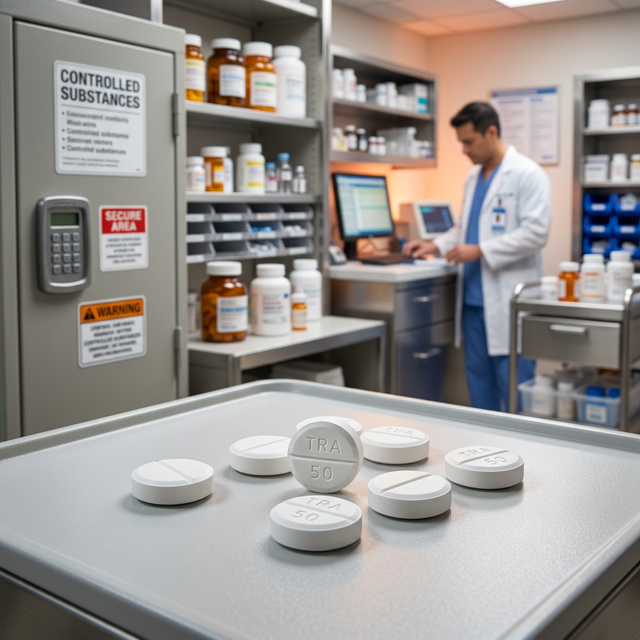
An atypical opioid analgesic used in the United States for the management of moderate to moderately severe pain in adults.
At a Glance: Quick Facts
DEA Schedule IV Controlled Substance
Atypical Opioid Mechanism
Maximum Dose: 400mg daily
FDA Approved for Adults 18+
Available as Ultram (IR) and Ultram ER
What It Is
Tramadol is a synthetic opioid pain medication that was first approved by the U.S. FDA in 1995. Unlike traditional opioids, it has a dual mechanism of action, making it a unique pharmacological option in American pain management protocols.
Tramadol works by binding to mu-opioid receptors in the central nervous system and by inhibiting the reuptake of norepinephrine and serotonin. This dual approach helps disrupt pain signaling through multiple pathways.
Uses in the United States
In the United States, Tramadol is indicated for the management of pain severe enough to require an opioid analgesic and for which alternative treatments are inadequate. It is commonly used for post-surgical pain and moderate chronic pain conditions.
Dosage Overview
Dosing must be individualized based on pain severity and patient response. Standard titration starts at 25mg/day, increasing to a maximum of 400mg/day for most adults.
Side Effects
Most common side effects in American patients include nausea, dizziness, constipation, and somnolence. Patients should be aware of the risk of Serotonin Syndrome.
Safety Warnings
Tramadol carries an FDA boxed warning for addiction, abuse, and misuse. It should NOT be used in children under 12 or for post-operative pain management in children who have undergone tonsillectomy or adenoidectomy.
DEA Schedule & Regulation
In the United States, Tramadol is classified as a Schedule IV controlled substance. This means it has a recognized medical use but carries a potential for abuse and dependency.
Availability in the United States
Tramadol is widely available in the United States as a generic and under the brand name Ultram. It requires a prescription from a DEA-registered healthcare provider.
Cost & Insurance Overview
Most U.S. health insurance plans and Medicare Part D cover generic Tramadol. Typical retail costs without insurance range from $15 to $40 for a 30-day supply of generic tablets.
How It Is Commonly Prescribed
It is one of the most frequently prescribed opioid medications in the USA due to its Schedule IV status, which historically implied a lower risk of abuse compared to Schedule II opioids.
Alternatives
Alternatives include NSAIDs like Ibuprofen, non-controlled nerve pain meds like Gabapentin, and lifestyle therapies such as physical therapy.
Comparisons
Compared to Codeine, Tramadol is often preferred for its lower incidence of GI distress. Compared to Hydrocodone, it is less potent but carries a lower DEA schedule.
Access & Savings Options
Educational Note: Federal and state assistance programs, along with private manufacturer coupons, often provide significant cost reductions for patients in the USA. Specific tool integration is currently disabled.
Frequently Asked Questions
Is Tramadol a narcotic?
In the United States, Tramadol is legally classified as a narcotic and a Schedule IV controlled substance.
Can I drive while taking Tramadol?
Tramadol can cause significant impairment of physical and mental abilities; patients should not drive until they know how it affects them.
Expert Verified Content
This clinical guide on Tramadol has been reviewed by the US Pain Meds Medical Review Board for accuracy, adhering to strict FDA and CDC prescribing standards in the United States.
References (U.S. Authorities)
U.S. Food and Drug Administration (FDA). Drugs@FDA: FDA-Approved Drugs.
National Library of Medicine (NLM). DailyMed Database.
Drug Enforcement Administration (DEA). Controlled Substances Schedules.
Centers for Disease Control and Prevention (CDC). Guideline for Prescribing Opioids.