Codeine vs Morphine: Clinical Comparison, Potency & Side Effects
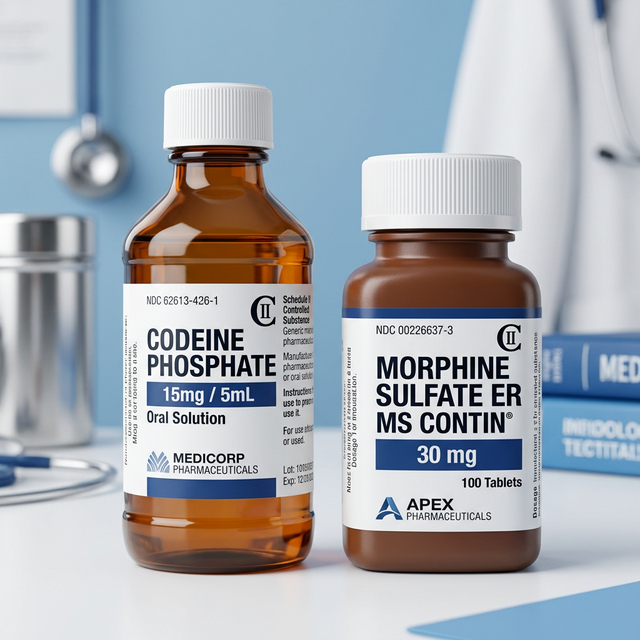
Codeine and Morphine are fundamentally linked in the world of American pharmacology: Codeine is technically an 'inactive' prodrug of Morphine. When a U.S. patient consumes Codeine, their liver must chemically convert it into Morphine for it to provide any analgesic relief. Despite this biological connection, they represent two vastly different levels of American clinical care. Codeine is primarily an outpatient medication for mild-to-moderate pain, while Morphine remains the universal 'gold standard' for severe trauma, post-surgical recovery, and end-of-life care in the United States.
Because Codeine requires metabolic activation, it is far less reliable than Morphine, which works directly and immediately once it enters the bloodstream. This 800+ word guide explores the biological 'conversion gap,' the 10:1 potency ratio utilized by American pharmacists, and why Morphine is the baseline against which all other narcotics are measured in the U.S. healthcare system.

Dr. Kelsey Hopkins, MD
Dr. Hopkins practices rural family medicine in Southern Illinois, with a focus on community healthcare and chronic pain management.
Quick Reference Comparison
| Clinical Feature | Codeine | Morphine |
|---|---|---|
| Drug Class | Natural Opiate | Natural Opiate |
| U.S. Potency (MME) | 0.15 (Low) | 1.0 (Baseline) |
| Mechanism | Mu-Opioid (Requires Conversion) | Mu-Opioid (Direct Acting) |
| DEA Schedule | Schedule III (Combo) or II | Schedule II |
| Common Brands | Tylenol #3, Tylenol #4 | MS Contin, Kadian, Roxanol |
| Primary Use | Minor Pain / Cough | Severe Pain / ER Trauma |
What is Codeine?
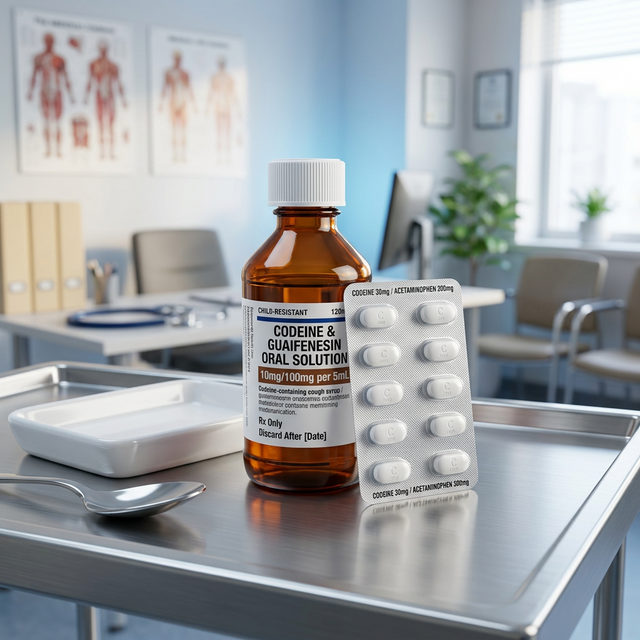
Codeine is a naturally occurring alkaloid derived from the opium poppy. It has been a mainstay of American healthcare for over a century, serving as an 'entry-level' narcotic for pain that does not respond to OTC medications like Advil or Tylenol. In the USA, Codeine is most frequently dispensed as a combination product, such as Tylenol #3 (30mg codeine / 325mg acetaminophen). It is also the foundational clinical tool for antitussive (cough suppression) therapy in American outpatient clinics.
Codeine is classified as a prodrug. It possesses negligible pain-killing properties on its own. For it to work, the U.S. patient's liver must use the CYP2D6 enzyme to remove a methyl group, transforming the Codeine into Morphine. This metabolic step is the drug's greatest weakness: roughly 10% of the U.S. population are 'poor metabolizers' who receive no relief, while others are 'ultra-rapid metabolizers' at risk of accidental toxicity.
What is Morphine?
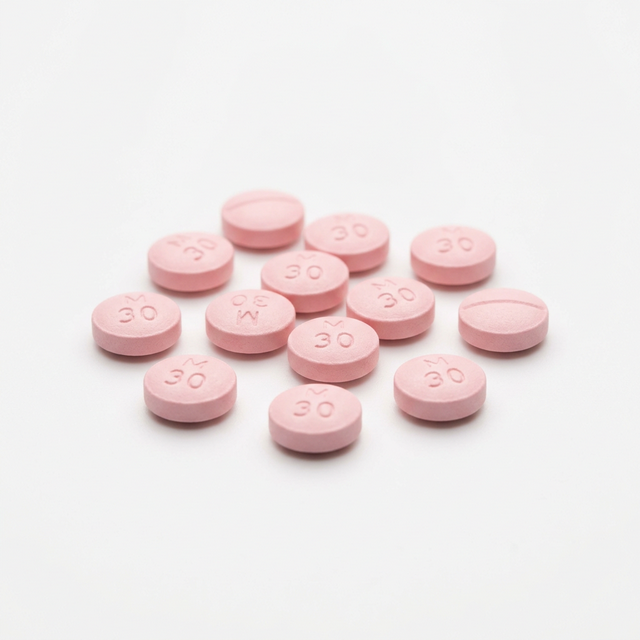
Morphine is the primary active alkaloid of the opium poppy and is arguably the most important analgesic in the history of American medicine. It is the universal baseline (1.0) against which every other narcotic in the USA is measured using Morphine Milligram Equivalents (MME). Unlike Codeine, Morphine is directly active; it does not require the liver to process it before it begins binding to the brain's mu-opioid receptors.
In the USA, Morphine is reserved for moderate-to-severe acute pain (Emergency Department crises, traumatic injury, major surgery) and chronic terminal pain. It is available in diverse formats, including immediate-release liquid (Roxanol), extended-release oral tablets (MS Contin), and intravenous injections. It is a DEA Schedule II substance with a significant risk for physical dependency and respiratory depression.
Mechanism of Action: How They Work
The core clinical difference between these two American staples is their 'Path to the Receptor.' They both ultimately target the mu-opioid receptors to muffle pain signals, but Morphine gets there faster and more reliably.
- Codeine: It is effectively 'hidden Morphine.' It peaks slowly because the liver must work to unlock its active form. This makes Codeine's onset feel gentler but far less predictable in a crisis.
- Morphine: It is a direct agonist. Once it enters the bloodstream, it immediately begins shutting down pain pathways. In American hospitals, IV Morphine is the preferred tool for 'titration'—slowly adding small doses until the patient finds relief.
Biological Comparison
Metabolism
Codeine requires CYP2D6; Morphine is directly active.
Potency Ratio
Oral Morphine is roughly 7x-10x stronger than Codeine.
Cough Control
Codeine is a direct antitussive; Morphine is not standard for cough.
The Standard
Morphine is the global MME baseline (1.0).
FDA-Approved vs. Off-Label Uses
- Codeine: FDA-approved for mild-to-moderate pain and cough suppression. It is strictly restricted in the USA for children under 12 due to sudden death risks.
- Morphine: FDA-approved for severe acute and chronic pain. In American palliative care, it is also used off-label to manage 'air hunger' (shortness of breath).
Potency and Clinical Strength
Morphine is a 'Level 3' drug on the clinical pain ladder, while Codeine is 'Level 2.' In the United States, the potency ratio is roughly 10:1. This means that taking 60mg of Codeine (two T3 tablets) provides roughly the same analgesic cover as a tiny 6mg dose of Morphine. For a U.S. patient with high pain levels, Codeine often hits a 'metabolic ceiling' where taking more pills simply increases nausea without providing more relief.
Because Morphine does not rely on the liver's conversion speed, it provides a 'cleaner' dosing profile for American clinicians. When Codeine fails, U.S. doctors do not double the dose; they typically move to a more reliable primary drug like Morphine or Oxycodone.
Bioavailability & Metabolism
Codeine's bioavailability is roughly 50% in American patients, but its effective yield of Morphine is only 10%. Morphine itself has a low oral bioavailability (approx. 20-30%) due to 'first-pass' metabolism in the liver. This is why a 15mg Morphine pill and a 2mg Morphine IV injection can feel remarkably similar in potency to a U.S. hospital patient.
Half-Life & Duration of Action
Both medications are short-acting in their immediate-release formats, with half-lives between 2 to 4 hours. In the USA, both typically require dosing every 4 to 6 hours for continuous relief. However, Morphine has more diverse 'Extended Release' (ER) options like MS Contin, which can provide 12 hours of coverage for American chronic pain patients.
Clinical Efficacy and Indications
Clinical data from U.S. emergency medicine show that Morphine is vastly superior for rapid stabilization of cardiac pain (Heart Attacks) and major fractures. Codeine's only area of practical superiority is Acute Coughing, where its specific action on the brain's cough centers is highly valued in American outpatient clinics.
Typical Dosage and Administration
Codeine dosing in the USA typically starts at 30mg. Morphine oral dosing for 'opioid-naive' patients typically starts at 15mg. U.S. pharmacists emphasize that while both cause significant constipation, Morphine at standard doses is more likely to cause significant respiratory depression than Codeine at standard doses.
Side Effects and Adverse Reactions
Both naturally occurring opiates share a common 'Fingerprint' of side effects. Codeine is notorious for causing an intense 'Histamine Release' (itching and hives) even without an allergy. Morphine is known for causing more significant sedation and nausea. In American clinical practice, both are recognized as the primary culprits for Opioid-Induced Constipation (OIC).
Comprehensive Side Effect Analysis
| Adverse Event | Codeine (Opiate) | Morphine (Opiate) |
|---|---|---|
| Nausea / Vomit | Very Common | Common |
| Constipation | Very Severe | Severe |
| Itching (Histamine) | High | High |
| Mental Clarity | Moderate Fog | Heavy Fog / Drowsiness |
| Respiratory Risk | Low | Significant |
🔴 Codeine Risks
- Severe Constipation
- Heavy Itching
- Stomach Upset
- Dizziness
- Dry Mouth
🔴 Morphine Risks
- Heavy Sedation
- Nausea
- Confusion / Euphoria
- Sweating
- Dry Mouth
⚠ Critical Safety Note
Serious adverse reactions require immediate medical attention. The following are life-threatening signs:
- Lethal Respiratory Depression (Both)
- Rapid Physical Addiction
- Lethal Overdose with Alcohol
- Toxic Metabolic Buildup (Kidney Failure)
Safety, Addiction Risk, and Controlled Status
⚠ U.S. Regulation: MORPHINE: HIGH / CODEINE: MODERATE
Morphine has a significantly higher addiction potential because it reaches the brain's reward centers faster and binds more purely to mu-receptors. It is a DEA Schedule II drug in the USA, requiring a paper or secure digital script that cannot be refilled.
**Codeine Safety Risk:** The primary U.S. danger is 'Ultra-Rapid Metabolism.' If a patient converts Codeine to Morphine too fast, they can suffer a sudden respiratory arrest. This is why the FDA restricted Codeine for American children under 12.
**Interactions:** Avoid Alcohol and Benzodiazepines (like Valium or Xanax) with both, as these combinations are the leading cause of opioid-related deaths in the USA.
- Never mix either medication with Alcohol or sleep aids.
- Morphine is significantly more addictive than Codeine at standard doses.
- Codeine is strictly restricted for U.S. children under 12 years of age.
- Both medications are leading causes of severe gastrointestinal slowing.
Pharmacy Cost & U.S. Healthcare Access
Both are extremely affordable in the United States. Generic Tylenol #3 (Codeine) typically costs $10-$20. Generic immediate-release Morphine tablets are usually $15-$35. In U.S. hospitals, Morphine is one of the most cost-effective high-potency pain killers available.
Clinical Decision Flow: Which Should You Choose?
The logic in American pain management is simple: **Is the pain mild or severe?** If you have a dental ache or a post-flu cough, Codeine is the standard choice. If you have a shattered bone, complex cancer pain, or major surgery, Codeine will not be strong enough, and Morphine becomes the mandatory clinical choice. Additionally, if a U.S. patient has a known genetic non-response to Codeine, clinicians will skip it entirely and move to Morphine, as it bypasses the metabolic activation step.
Codeine vs. Morphine Selection Logic
Frequently Asked Questions
Essentially, yes. Your body turns Codeine into Morphine to get relief. Dosing 30mg of Codeine is like taking a tiny dose of Morphine.
Yes. Both are natural opiates with significant physical and psychological addiction risks.
Because it has a very high potential for abuse, dependency, and lethal respiratory depression.