The Science of Surgical Recovery
Managing pain after surgery is critical not just for comfort, but for the success of the procedure itself. In the United States, modern 'Enhanced Recovery After Surgery' (ERAS) protocols have transformed how patients experience the post-operative period. Effective pain control allows for early movement, better breathing, and faster hospital discharge.
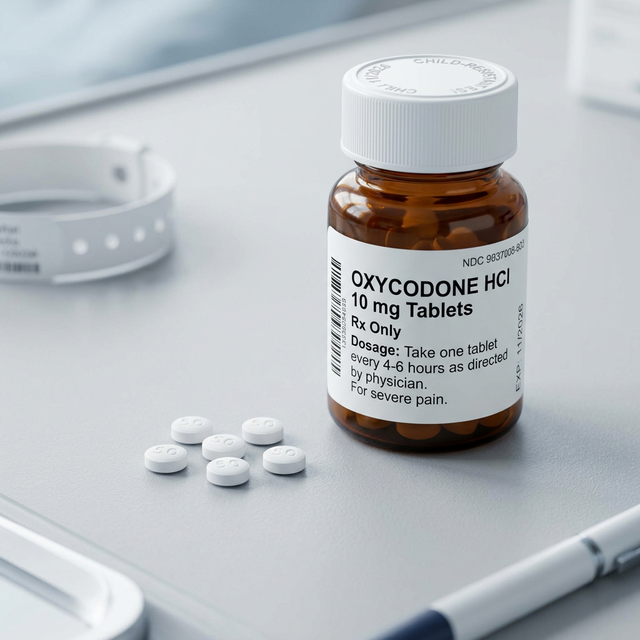
The goal is 'balanced' or 'multimodal' analgesia—using various medications that target different parts of the pain pathway to minimize the need for high-dose opioids and their associated side effects.
Multimodal Analgesia: The Current Standard
Most U.S. surgical centers now utilize a combination of four core elements to manage post-op pain:
- Local Anesthetics: Injected during surgery or via 'blocks' to numb the surgical site for hours or days.
- Non-Opioid Systemics: Scheduled doses of IV or oral Acetaminophen and NSAIDs to provide baseline relief.
- Neuromodulators: Medications like Gabapentin started before surgery to dampen nerve sensitization.
- Rescue Opioids: Limited doses of opioids reserved specifically for 'breakthrough' pain that other medications cannot reach.
Post-Op Medication Recovery Timeline
Patients should follow a structured tapering protocol to ensure safety and prevent the development of chronic post-surgical pain.
| Recovery Phase | Standard Medication Strategy | Clinical Objective |
|---|---|---|
| Day 0-1 | IV Analgesics, Nerve Blocks | Stabilize Acute Trauma |
| Day 2-5 | Oral Opioids & Regular NSAIDs | Early Mobilization |
| Day 6-14 | Taper Opioids, Scheduled OTC | Home-Based Recovery |
| Week 3+ | As-needed (PRN) OTC Relief | Return to Normal Function |
Safe Opioid Use and Tapering
If you are prescribed opioids after surgery, the following U.S. safety protocols apply:
- Scheduled vs. As-Needed: Take non-opioids on a strict schedule, but use opioids only when pain makes it difficult to breathe or move.
- Bowel Protocol: Opioids cause constipation; most U.S. surgeons prescribe a stool softener concurrently.
- The 7-Day Limit: Most acute post-surgical pain begins to subside significantly by day 4. Aim to minimize opioid use by day 7.
- Disposal: Take any remaining pills to a pharmacy drug take-back kiosk immediately after recovery.
Frequently Asked Questions (Post-Op)
What is 'multimodal' post-op analgesia?
It is the standard U.S. clinical practice of using several different types of pain medications (like NSAIDs, <Link href="/medications/acetaminophen">Acetaminophen</Link>, and nerve blocks) at once to target different pain pathways and reduce reliance on high-dose opioids.
How soon can I walk after major surgery?
Early mobilization is a key part of the enhanced recovery protocol (ERAS) in the U.S. Most surgeons encourage walking as soon as the same day or the next day to prevent blood clots and promote bowel function.
Is it normal to have pain even with medication?
Yes. The goal of post-surgical pain management is to make the pain 'manageable' so you can rest and participate in recovery exercises, not to eliminate it 100%.
What is an 'ERAS' protocol?
Enhanced Recovery After Surgery (ERAS) is a patient-centered, evidence-based multidisciplinary team developed pathway to improve surgical outcomes and reduce pain scores.
When should I transition off opioids?
In most U.S. orthopedic and soft tissue surgeries, the goal is to transition to non-opioid analgesics within 3 to 7 days post-discharge.
Can post-surgical pain become chronic?
Yes, Chronic Post-Surgical Pain (CPSP) occurs in about 10-30% of patients. Early and aggressive acute pain management is the best way to prevent this.
Is Tylenol actually strong enough for post-op?
When used correctly on a scheduled basis (every 6-8 hours) and combined with NSAIDs, Acetaminophen is remarkably effective for baseline post-operative relief.
What is PCA (Patient Controlled Analgesia)?
PCA is a computerized pump that allows patients to self-administer small doses of pain medication through an IV at the push of a button, with built-in safety limits.
Will I get addicted to opioids after one surgery?
The risk for a one-time prescription is low, but U.S. data shows that about 6% of 'opioid-naive' patients continue using opioids long after the typical healing period. Vigilance is necessary.
What are 'nerve blocks'?
Nerve blocks involve injecting a local anesthetic near a specific nerve or group of nerves to block pain signals from the surgical site, often providing 24-48 hours of complete numbness.
Clinical References
- American Society of Anesthesiologists. (2025). Practice Guidelines for Acute Pain Management in the Perioperative Setting.
- ERAS Society. (2024). Official Guidelines for Post-Operative Care.
- The Lancet. (2026). Enhanced Recovery Protocols and Surgical Outcomes.