NSAIDs & Anti-Inflammatories
Clinical guides to Non-Steroidal Anti-Inflammatory Drugs, including safety protocols and comparison data.
Non-Steroidal Anti-Inflammatory Drugs (NSAIDs) are a primary class of medication used to reduce inflammation, fever, and pain. In the United States, they are available in both over-the-counter (OTC) and prescription-only dosages. For safety data, visit our NSAID Safety Guide.
Unlike opioids, NSAIDs work locally at the site of inflammation by inhibiting enzymes called cyclooxygenases (COX-1 and COX-2). This makes them highly effective for joint pain, muscle strains, and menstrual cramps. Learn about the differences in our major NSAID comparisons.
Explore NSAIDs
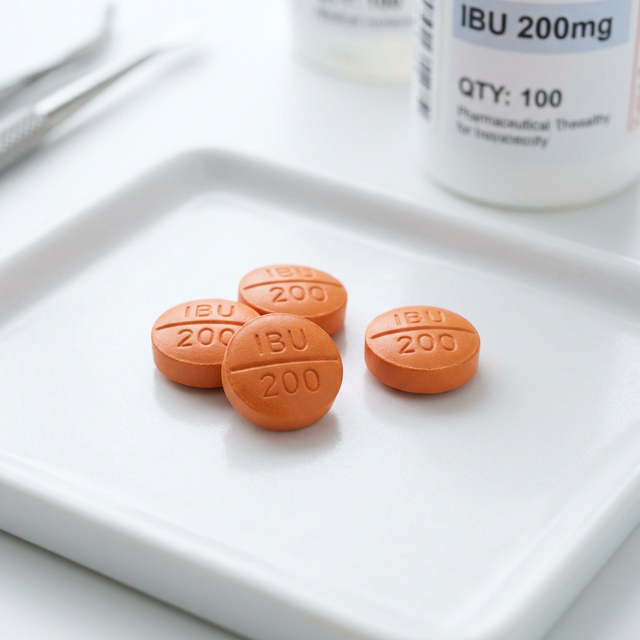
Ibuprofen
Standard OTC and prescription NSAID (Advil, Motrin) for inflammation and pain.

Naproxen
Long-acting NSAID (Aleve) preferred for sustained 12-hour pain relief.

Celecoxib
Targeted COX-2 inhibitor (Celebrex) with lower risk of gastric irritation.
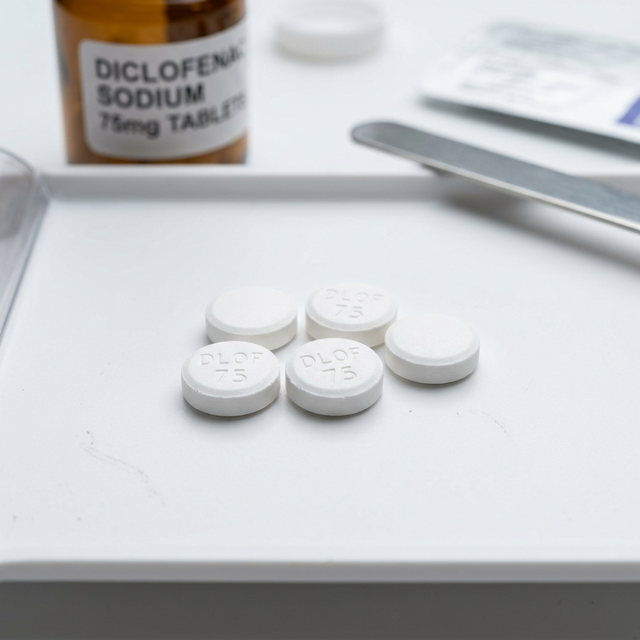
Diclofenac
Potent NSAID available in oral and topical gel (Voltaren) formulations.

Meloxicam
Once-daily prescription NSAID commonly used for chronic arthritis management.

Aspirin
The original salicylate NSAID; used for pain and cardiovascular protection.

Ketorolac
Short-term, high-potency NSAID (Toradol) used for acute post-surgical pain.
Indomethacin
Potent NSAID used primarily for acute gout arthritis and inflammatory conditions.
Common Questions & Safety
What is a COX-2 inhibitor?
Celecoxib is a selective COX-2 inhibitor designed to reduce inflammation while minimizing the stomach-lining damage common with traditional NSAIDs.
Can I alternate Tylenol and Ibuprofen?
Yes. U.S. clinical protocols often recommend 'staggering' these two medications as they work through different biological pathways.
Do NSAIDs affect heart health?
The FDA has strengthened warnings that non-aspirin NSAIDs can increase the risk of heart attack or stroke, especially with long-term use.