Over-the-Counter (OTC) Pain Relief
Clinical safety guides for non-prescription analgesics available in the United States.
Over-the-Counter (OTC) pain medications are the first line of defense for the vast majority of Americans suffering from minor aches, pains, and fevers. These medications do not require a prescription and are easily accessible in pharmacies and grocery stores across the United States.
This directory provides clinical safety data on how to use these common medications without risking liver or kidney damage.
Explore OTC
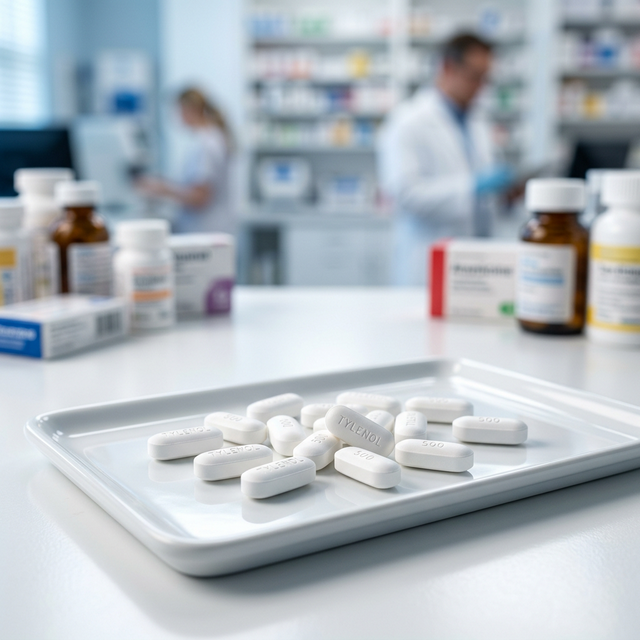
Acetaminophen
The most common non-NSAID (Tylenol) for pain and fever; vital for those who cannot take NSAIDs.
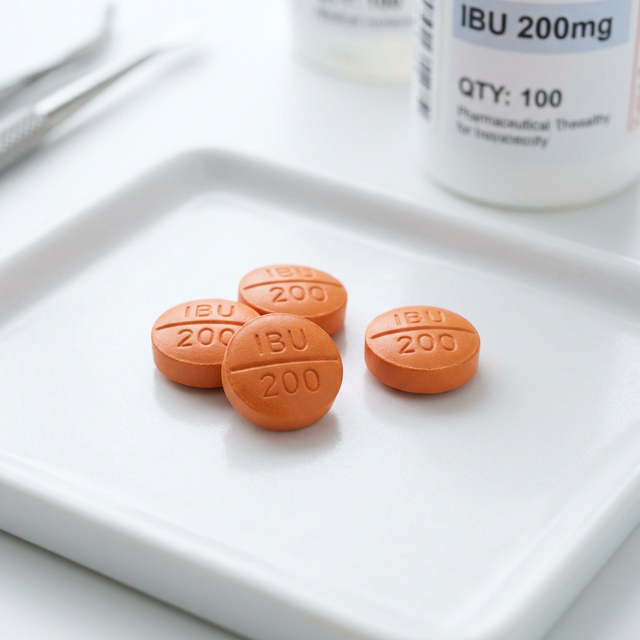
Ibuprofen
Standard OTC anti-inflammatory (Advil, Motrin) for muscle aches and joint pain.

Naproxen
12-hour OTC reliever (Aleve) for sustained management of chronic inflammatory pain.

Aspirin
Cardiovascular and analgesic staple; used for pain, inflammation, and heart health.
Common Questions & Safety
What is the safest OTC painkiller?
Acetaminophen is generally safer for the stomach and kidneys, while NSAIDs like Ibuprofen are better for pain combined with swelling.
Can I overdose on Tylenol?
Yes. Acetaminophen overdose is a leading cause of liver failure in the U.S. Never exceed 3,000mg-4,000mg in a 24-hour period.
Are OTC meds weaker than prescriptions?
Not necessarily. Many prescriptions are simply higher doses of OTC medications. However, some types of pain (like severe nerve pain) require specific prescription-only molecules.