Nerve Pain & Neuropathy Meds
Clinical reference for neuromodulators and antidepressants used in the management of chronic nerve pain.
Neuropathic pain is caused by damage or dysfunction in the nervous system itself. Traditional painkillers often fail to reach these signals, which is why specialized 'neuromodulators' are the clinical standard of care in the United States.
This directory outlines the primary pharmacological treatments for sciatica, diabetic neuropathy, fibromyalgia, and shingles-related nerve damage.
Explore Nerve Pain

Gabapentin
First-line neuromodulator for diabetic neuropathy and post-herpetic neuralgia.

Pregabalin
Potent gabapentinoid (Lyrica) used for fibromyalgia and central nerve pain.
Duloxetine
SNRI (Cymbalta) dual-indicated for chronic pain and associated depression.
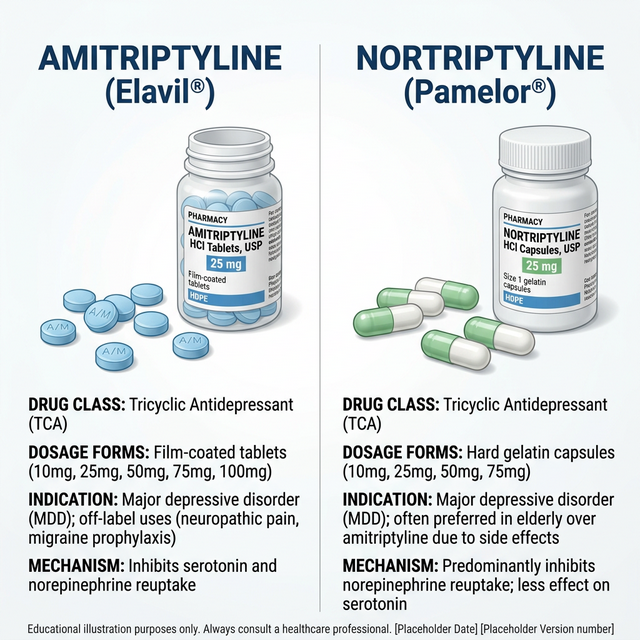
Amitriptyline
Tricyclic antidepressant effective at low doses for nocturnal nerve relief.

Milnacipran
Specialized SNRI (Savella) specifically FDA-approved for fibromyalgia management.
Common Questions & Safety
How long does it take for nerve pain meds to work?
Unlike acute pain relievers, neuromodulators often require 2-4 weeks of consistent dosing for the brain to adjust and provide stable relief.
Are these medications addictive?
While not opioids, medications like Lyrica (Pregabalin) are Schedule V controlled substances in the U.S. and require a medical taper to discontinue safely.
Can I take Gabapentin with Ibuprofen?
Yes. Clinical practice often combines these as they work through entirely different biological pathways (neurological vs inflammatory).