Dilaudid vs Codeine: Clinical Comparison, Potency & Side Effects

Dilaudid (Hydromorphone) and Codeine represent the alpha and omega of the opioid spectrum in the United States. While both medications are derived from the same opium poppy origins, their pharmacological profiles, potency levels, and clinical roles are light-years apart.
- Dilaudid: A semi-synthetic derivative of Morphine, known for its ultra-potency and role as a surgical-grade analgesic.
- Codeine: A naturally occurring alkaloid used as a 'starter' opioid for mild-to-moderate pain and cough suppression.
For American patients, understanding the difference between these two is critical for safety—taking Dilaudid at a dose common for Codeine would result in a fatal overdose for an opioid-naive individual.

Dr. Kelsey Hopkins, MD
Dr. Hopkins practices rural family medicine in Southern Illinois, with a focus on community healthcare and chronic pain management.
Quick Reference Comparison
| Clinical Feature | Dilaudid | Codeine |
|---|---|---|
| U.S. Potency (MME) | 4.0 (Very High) | 0.15 (Low) |
| DEA Schedule | Schedule II | Schedule II or III (Combination) |
| Metabolism | Bypasses CYP liver system | Depends on CYP2D6 enzyme |
| Onset of Action | 15 - 30 Minutes | 30 - 60 Minutes |
| Best For | Severe Trauma / Post-Op | Mild Cough / Moderate Dental |
Clinical Profile: Dilaudid
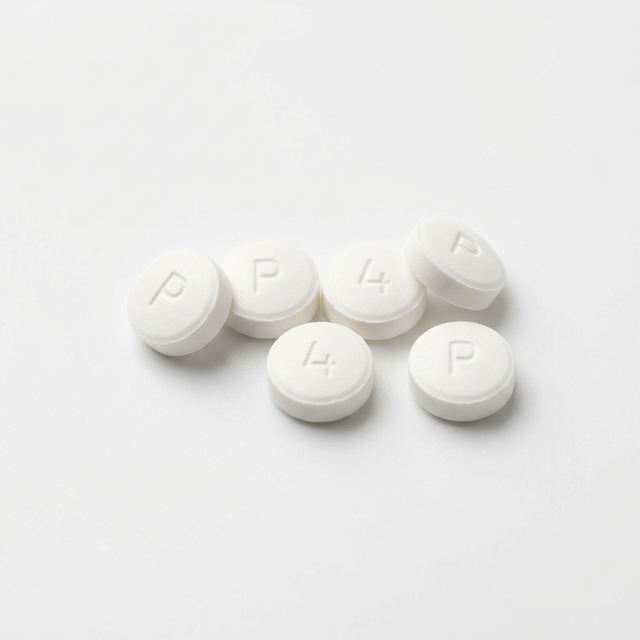
Dilaudid (Hydromorphone) is one of the most powerful oral narcotics available in the U.S. healthcare system:
- The Gold Standard for Peak Pain: Because it works so quickly and powerfully, it is the 'rescue' drug of choice in American hospitals.
- Small Dose, Big Impact: It is roughly 25 to 30 times stronger than Codeine milligram-for-milligram. A tiny 2mg pill of Dilaudid dwarfs a large 30mg pill of Codeine.
- Pure Agonist: It has a high 'binding affinity,' meaning it sticks to pain receptors much more reliably than Codeine.
It is exclusively used for 'refractory' pain—pain that has not responded to anything else.
Clinical Profile: Codeine
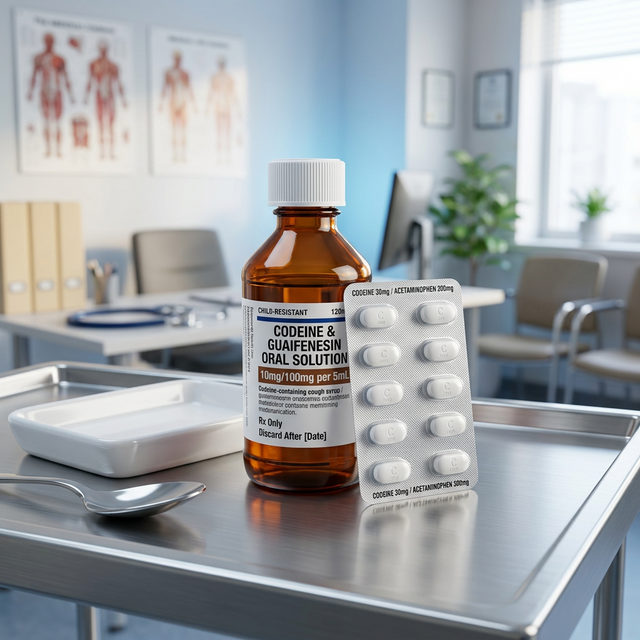
Codeine is often the first opioid an American patient encounters. In the U.S. clinical landscape:
- The Prodrug: Codeine itself has very little effect on pain. It must be turned into Morphine by your liver to work.
- Cough Specialist: It is the FDA standard for suppressing severe, dry cough (antitussive) at low doses.
- The Combination Pillar: Most commonly prescribed in the U.S. as 'Tylenol #3' (Codeine 30mg and Acetaminophen 300mg).
While milder, it carries unique risks associated with genetics, as some people's livers process it unpredictably.
Mechanism of Action: How They Work
The cellular interaction of these two drugs in a U.S. patient's body is fundamentally different:
- Dilaudid (Direct Agonist): It doesn't need to change in the body to work. It hits the 'Mu' receptors in the brain and spinal cord almost immediately upon entering the blood. It bypasses the liver's complexity, making its effects very predictable.
- Codeine (The Transformation): Your body must use the enzyme **CYP2D6** to strip away a chemical branch and turn Codeine into Morphine. If you lack this enzyme (common in 10% of the U.S. population), you will get no relief. If you have too much (Ultra-rapid metabolizers), you could overdose on a 'normal' dose.
Receptor Fit & Enzyme Dependency
Direct Hub
Dilaudid binds 30x more tightly to pain receptors than Codeine.
Metabolic Filter
Codeine is inactive until the liver converts it to Morphine.
Quick Peak
Dilaudid reaches maximum brain effect 2x faster than Codeine.
Cough Suppression
Codeine specifically targets the brain's cough reflex center.
FDA-Approved vs. Off-Label Uses
Oversight by the U.S. FDA and clinical usage:
- Dilaudid FDA: Relief of severe pain where alternative treatments are inadequate.
- Codeine FDA: Relief of mild-to-moderate pain and cough suppression.
- Pediatric Alert: The FDA has issued a 'Black Box Warning' against Codeine use in children under 12 and for post-tonsillectomy pain in adolescents due to fatal respiratory risks.
Potency and Clinical Strength
Understanding the MME (Morphine Milligram Equivalent) Scale:
- Codeine (0.15x): 60mg of Codeine is roughly equal to only 9mg of Morphine.
- Dilaudid (4.0x): 2mg of Dilaudid is equal to 8mg of Morphine.
- The Massive Ratio: One small 2mg Dilaudid tablet is roughly equivalent in strength to **nearly 45mg of Codeine Sulfate.**
Bioavailability & Metabolism
Liver and GI uptake for U.S. patients:
- Dilaudid: Oral bioavailability is moderate (30-50%). It bypasses the 'first-pass' metabolic liver path that Codeine must take.
- Codeine: Oral bioavailability is high (90%), but effectiveness depends entirely on the liver's conversion rate. In the USA, doctors often prefer Morphine or Oxycodone over Codeine because they are more predictable across different genetic backgrounds.
Half-Life & Duration of Action
The duration of relief in the American patient experience:
- Dilaudid: 2-3 hours. Relief hits hard but fades quickly. It is considered an 'Intermittent' high-intensity narcotic.
- Codeine: 3 hours. Relief lasts 4-6 hours but is much smoother and less intense than Dilaudid.
Clinical Efficacy and Indications
U.S. Clinical Applications:
- Severe Trauma: Dilaudid is the gold standard for kidney stones or compound fractures in most U.S. ERs.
- Mild Stability: Codeine (Tylenol #3) is common for recovery from wisdom teeth extraction or minor soft-tissue injuries.
- Safety Margin: Codeine has a 'dosage ceiling'—taking more doesn't necessarily help more, but it does worsen side effects. Dilaudid has no such ceiling, making it more powerful but more deadly.
Typical Dosage and Administration
Typical U.S. Dosing Guidelines:
- Codeine (Pain): Typically 15mg to 60mg every 4-6 hours (Max 360mg/day).
- Dilaudid (Severe): Typically 2mg to 4mg every 4-6 hours as needed.
- Warning: The gap between 'pain relief' and 'respiratory arrest' is much narrower with Dilaudid than with Codeine for most U.S. patients.
Side Effects and Adverse Reactions
Adverse reaction comparison in American patients:
- Nausea: Both are high risk; Codeine is particularly notorious for causing 'morning-style' stomach upset in the USA.
- Itching: Codeine causes a heavy release of histamine; Dilaudid is also a high-risk itch factor.
- Sedation: Dilaudid's peak can cause 'sleep apnea' symptoms in sleep due to its intensity.
Comprehensive Side Effect Analysis
| Adverse Event | Dilaudid (Semi-Synthetic) | Codeine (Natural) |
|---|---|---|
| Stomach Upset / Nausea | High | Very High |
| Itching (Hives) | Very High | Extremely High |
| Dizziness | Moderate | High |
| Fatigue / Drowsiness | Extremely High | Moderate |
| Constipation | Extremely High | Moderate |
🔴 Dilaudid Risks
- Profound daytime sleepiness
- Severe constipation
- Intense itching of the nose and face
- Dry mouth
- Confusion in elderly patients
🔴 Codeine Risks
- Heavy nausea and vomiting
- Lightheadedness / Vertigo
- Stomach cramps
- Mild drowsiness
- Itching
⚠ Critical Safety Note
Serious adverse reactions require immediate medical attention. The following are life-threatening signs:
- Fatal respiratory arrest (Breathing stops)
- Lethal Ultra-rapid Metabolism (Codeine overdose)
- Profound hypotension (Low blood pressure)
- Lethal drug-to-drug interactions
- Bile duct spasms (Codeine)
Safety, Addiction Risk, and Controlled Status
⚠ U.S. Regulation: CRITICAL (USA SCHEDULE II) to MODERATE (CODEINE)
Regulatory and Safety Context in the USA:
- Abuse Profile: Dilaudid is a high-priority target for diversion and misuse in the U.S. due to its intensity. Codeine is lower risk but is the primary ingredient in the illicit 'Lean' (Purple Drank) culture.
- DEA Scales: Dilaudid is always Schedule II. Pure Codeine is Schedule II, but in pills with Tylenol, it is often Schedule III.
- Genetic Risk: Codeine's danger is 'hidden' in your DNA; Dilaudid's danger is visible in its milligram potency.
- Codeine: Report any 'pins-and-needles' or hives immediately; you may have a natural allergy.
- Dilaudid: Do not take more often than prescribed for 'breakthrough' pain.
- Both: Absolutely zero alcohol; mixed with Codeine, it's dangerous; mixed with Dilaudid, it's often lethal.
- Store in a high-security lock box; a single 8mg Dilaudid pill can kill a non-tolerant person.
Pharmacy Cost & U.S. Healthcare Access
Availability and U.S. Pricing:
- Codeine (Generic): Historically the cheapest opioid in U.S. pharmacies ($10-$15).
- Dilaudid (Generic): Inexpensive generic tablets ($20-$45).
- Accessibility: In the U.S., many pharmacies are hesitant to stock high quantities of Dilaudid, whereas Codeine combo pills are ubiquitous.
Clinical Decision Flow: Which Should You Choose?
Clinical Decision Matrix for U.S. Physicians:
- Choose Codeine: For moderate short-term pain, severe cough, or for patients who have never taken a narcotic before.
- Choose Dilaudid: For severe trauma, major surgery, or for patients with liver issues who cannot process Codeine's transformation path.
U.S. Clinical Analgesic Scale
Frequently Asked Questions
No. While they both come from opium, Dilaudid is a derivative of Morphine, making it exponentially more powerful than Codeine.
Because some children process it into Morphine too quickly, leading to silent respiratory arrest in their sleep.
Yes. In the U.S., the FDA considers it a first-line pharmaceutical treatment for debilitating, non-productive cough.
No. They require different tests, though both will usually trigger a positive for 'opiates' on a basic screen.
Dilaudid is significantly more severe in slowing the digestive tract than Codeine is.