Dilaudid vs Hydrocodone: Clinical Comparison, Potency & Side Effects

Dilaudid (Hydromorphone) and Hydrocodone (Vicodin, Norco) are pillars of American pain management, yet they occupy very different tiers of severity. While Hydrocodone is the most widely prescribed opioid in the United States for moderate pain, Dilaudid is a highly specialized tool reserved for the most intense pain states.
- Dilaudid: A semi-synthetic opioid derivative of Morphine, known for its extreme potency and rapid onset.
- Hydrocodone: A semi-synthetic opioid derivative of Codeine, typically combined with Tylenol (Acetaminophen) for moderate relief.
In the U.S. clinical landscape, the leap from Hydrocodone to Dilaudid is significant—a single 2mg tablet of Dilaudid can be more powerful than several tablets of standard Vicodin.

Dr. Kelsey Hopkins, MD
Dr. Hopkins practices rural family medicine in Southern Illinois, with a focus on community healthcare and chronic pain management.
Quick Reference Comparison
| Clinical Feature | Dilaudid | Hydrocodone |
|---|---|---|
| U.S. Potency (MME) | 4.0 (Very High) | 1.0 (Standard Moderate) |
| Primary Form | Pure (No Tylenol) | Combination (with Tylenol) |
| Onset of Action | 15 - 30 Minutes (Very Fast) | 30 - 60 Minutes (Standard) |
| Half-Life | 2 - 3 Hours (Short) | 3.8 Hours (Moderate) |
| Typical Clinical Use | Severe Post-Op / Trauma | Moderate Injury / Dental Recovery |
Clinical Profile: Dilaudid
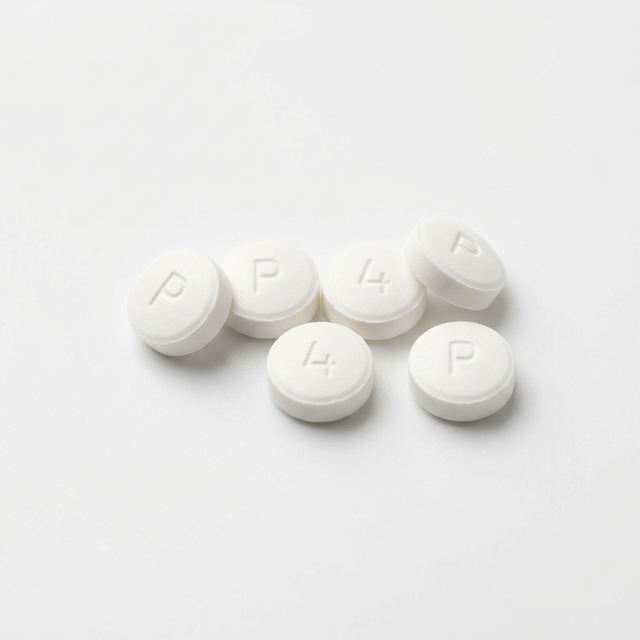
Dilaudid (Hydromorphone) is a 'high-tier' analgesic in the U.S. healthcare system. Its defining features include:
- Pure Strength: It is approximately 4 to 8 times stronger than Morphine. Because it is so potent, it doesn't need to be combined with other drugs like Tylenol to work.
- Rapid Interception: Doctors in the USA use it to 'chase' pain that is already severe, as it reaches its peak activity faster than almost any other oral opioid.
- Specialized Delivery: Available as a concentrated liquid for IV use in U.S. hospitals or as small, easily swallowed tablets for outpatients.
It is rarely prescribed as a 'first-line' treatment; typically, a patient must have already tried and failed on weaker drugs like Hydrocodone.
Clinical Profile: Hydrocodone
Hydrocodone is the active narcotic in famous American combination drugs like Vicodin, Norco, and Lortab. Its profile includes:
- Dual Path Relief: By combining Hydrocodone with Acetaminophen (Tylenol), it targets both the brain's receptors and the physical site of inflammation/injury.
- The Moderate Gold Standard: It is the primary choice for U.S. family doctors and dentists when treating pain that Ibuprofen can't touch.
- Predictable Response: Its side effect profile is very well understood in the USA, and it is considered less 'mentally heavy' than Dilaudid.
In 2014, due to its high volume of use and abuse, the U.S. DEA re-classified all Hydrocodone products as Schedule II.
Mechanism of Action: How They Work
Both drugs are 'Mu-Opioid Agonists,' but their paths in the U.S. patient's body differ:
- Dilaudid (Direct Agonist): It has a very high affinity for the 'Mu' receptor, which is the primary lock for pain protection. It doesn't rely as heavily on the liver to work, making it very predictable.
- Hydrocodone (The Prodrug): It relies on the liver enzyme **CYP2D6** to turn into a much stronger chemical called Hydromorphone (the same chemical in Dilaudid!). If your liver doesn't have enough of this enzyme, Hydrocodone may not work at all for your pain.
Receptor Fit & Liver Path
Direct Action
Dilaudid works instantly; no liver 'activation' required.
The Tylenol Duo
Hydrocodone uses Acetaminophen to double its local effectiveness.
Speed Peak
Dilaudid hits its maximum brain effect 2x faster than Hydrocodone.
MME Gap
Dilaudid provides 4x the 'analgesic punch' of Hydrocodone per mg.
FDA-Approved vs. Off-Label Uses
Oversight by the U.S. FDA and clinical usage:
- Dilaudid FDA: Relief of severe pain where alternative treatments are inadequate.
- Hydrocodone FDA: Relief of moderate-to-severe pain.
- Antitussive: Hydrocodone liquid is frequently used 'off-label' in the U.S. as a last-resort treatment for severe, debilitating cough (though specific branded syrups like Hycodan are FDA-approved for this).
Potency and Clinical Strength
Understanding the MME (Morphine Milligram Equivalent) Contrast:
- Hydrocodone (1.0x): 10mg of Hydrocodone is equal to 10mg of Morphine.
- Dilaudid (4.0x): 10mg of Dilaudid is equal to **40mg** of Morphine.
- The Comparison: To get the same pain-killing effect as one 4mg Dilaudid tablet, an American patient would theoretically need to take roughly **16mg of Hydrocodone** (nearly two high-strength Vicodin pills).
Bioavailability & Metabolism
Liver processing and genetic variations in the USA:
- Dilaudid: Primarily uses 'Glucuronidation.' It is less likely than Hydrocodone to cause drug-drug interactions, making it safer for U.S. patients on many other chronic meds.
- Hydrocodone: Highly dependent on the CYP2D6 enzyme. Approximately 7% of Caucasian Americans are 'poor metabolizers' who get almost no relief from Hydrocodone, while some 'ultra-rapid' metabolizers may get hit too hard.
Half-Life & Duration of Action
The duration of relief in the American patient experience:
- Dilaudid: 2-3 hours. Relief is sharp but short-lived. It is a 'high frequency' medication.
- Hydrocodone: 3.8 hours. Relief is smoother and lasts longer (approx. 4-6 hours). This makes it more suitable for maintaining comfort throughout a workday.
Clinical Efficacy and Indications
U.S. Clinical Applications:
- Emergency Room: Dilaudid is the preferred IV choice for kidney stones or severe fractures in many U.S. states.
- Post-Dental/Minor Trauma: Hydrocodone is the universal standard for outpatient recovery.
- Cancer/Palliative: Dilaudid is often used when a patient has developed a 'tolerance' to Hydrocodone or Morphine.
Typical Dosage and Administration
Typical U.S. dosing guidelines:
- Dilaudid IR: Typically starts at 2mg to 4mg every 4-6 hours.
- Hydrocodone (Vicodin): Typically starts at 5mg or 7.5mg every 4-6 hours (capped by Tylenol limits).
- Safety Alert: High-dose Dilaudid is almost 10 times more likely to cause sudden respiratory arrest in an 'opioid-naive' patient than standard Vicodin.
Side Effects and Adverse Reactions
Adverse reaction comparison for American patients:
- Constipation: Dilaudid is a 'heavy hitter' and can cause severe bowel dysfunction faster than Hydrocodone.
- Drowsiness: Dilaudid's rapid peak can lead to intense 'nodding off' compared to the milder fuzziness of Hydrocodone.
- Liver Safety: Only Hydrocodone carries a risk for liver failure due to the Acetaminophen (Tylenol) content.
Comprehensive Side Effect Analysis
| Adverse Event | Dilaudid (Intense) | Hydrocodone (Moderate) |
|---|---|---|
| Nausea / Vomiting | High | High |
| Drowsiness / Sedation | Very High | Moderate |
| Constipation | Extremely High | High |
| Dry Mouth | Moderate | High |
| Liver Strain | None | Significant (at high doses) |
🔴 Dilaudid Risks
- Heavy daytime sleepiness
- Severe constipation
- Initial nausea/vomiting
- Itching (Pruritus)
- Confusion in the elderly
🔴 Hydrocodone Risks
- Stomach upset
- Dizziness / Lightheadedness
- Dry mouth
- Constipation
- Doziness
⚠ Critical Safety Note
Serious adverse reactions require immediate medical attention. The following are life-threatening signs:
- Life-threatening respiratory depression
- Acetaminophen-induced liver failure (Hydrocodone/Vicodin)
- Profound hypotension (Low blood pressure)
- Lethal drug-to-drug interactions
- Anaphylactic shock
Safety, Addiction Risk, and Controlled Status
⚠ U.S. Regulation: CRITICAL (USA SCHEDULE II)
Safety and Regulatory Environment in the USA:
- The Tylenol Ceiling: Hydrocodone users must never exceed 4,000mg of Acetaminophen a day, or they face permanent liver damage.
- The Potency Danger: Dilaudid is often illicitly targeted for injection in the USA due to its rapid and intense 'rush' compared to the milder Hydrocodone.
- DEA Oversight: Both are carefully tracked via State PMP (Prescription Monitoring Programs) to prevent 'doctor shopping.'
- Dilaudid: Report any 'skipped beats' or fainting immediately.
- Hydrocodone: Check labels of all other drugs (DayQuil, Percocet) to make sure you aren't double-dosing on Tylenol.
- Both: Absolutely zero alcohol; the leading cause of accidental overdoses in U.S. homes.
- Lock your meds; child ingestion of Dilaudid is a fatal risk in the USA.
Pharmacy Cost & U.S. Healthcare Access
Availability and U.S. Pharmacy Pricing:
- Hydrocodone (Generic): Highly common and very cheap ($15-$30 for 30 count).
- Dilaudid (Generic): Also available as inexpensive generic tablets in most U.S. pharmacies.
Clinical Decision Flow: Which Should You Choose?
Clinical decision path for American physicians:
- Choose Hydrocodone: For moderate short-term injuries, dental pain, or if the patient needs to remain 'functional' and alert.
- Choose Dilaudid: For severe trauma, major abdominal or spinal surgery, or if the patient's liver cannot handle Acetaminophen.
U.S. Analgesic Selection Algorithm
Frequently Asked Questions
Yes, exponentially so. One milligram of Dilaudid is roughly 4 times more powerful than one milligram of Hydrocodone.
The Tylenol in Vicodin acts as a 'booster' for moderate pain. Dilaudid is so powerful on its own that it doesn't typically need additionals for severe pain.
Rarely. U.S. dentists almost always prefer Hydrocodone or high-dose NSAIDs; Dilaudid is typically only used for severe jaw fractures or major oral surgery.
Yes. In the USA, it was moved from Schedule III to Schedule II in 2014 to curb addiction and abuse.
Generally yes, as higher-potency opioids tend to trigger more histamine release than moderate ones.