Dilaudid vs Methadone: Clinical Comparison, Potency & Side Effects

Dilaudid (Hydromorphone) and Methadone (Dolophine) are both high-potency opioids used in American medicine to treat chronic and severe pain. However, they are pharmacological opposites in terms of how they enter and leave the human body.
- Dilaudid: A fast-acting, short-lived semi-synthetic opioid known for its rapid relief and equally rapid exit.
- Methadone: A slow-acting, long-lived synthetic opioid that builds up in the body over time, providing steady, basal coverage.
In the U.S. clinical landscape, Dilaudid is the drug of 'peaks' (fast up, fast down), while Methadone is the drug of 'floors' (steady and consistent). Mixing or switching between them requires extreme expert care from a U.S. pain specialist.

Dr. Kelsey Hopkins, MD
Dr. Hopkins practices rural family medicine in Southern Illinois, with a focus on community healthcare and chronic pain management.
Quick Reference Comparison
| Clinical Feature | Dilaudid | Methadone |
|---|---|---|
| U.S. Potency (MME) | 4.0 (Very High) | 3.0 - 12.0 (Variable/Extreme) |
| Onset of Action | 15 - 30 Minutes | 30 - 60 Minutes |
| Half-Life | 2 - 3 Hours (Short) | 8 - 59 Hours (Extremely Long) |
| Duration of Relief | 3 - 4 Hours | 8 - 12 Hours (Pain) / 24h+ (Withdrawal) |
| Primary Clinical Focus | Acute Severe Trauma/Flares | Chronic Constant Pain / OUD |
Clinical Profile: Dilaudid
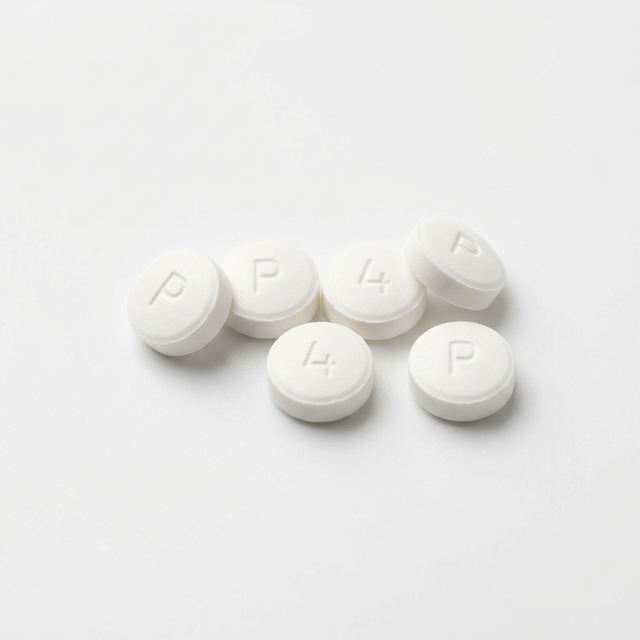
Dilaudid (Hydromorphone) is characterized by its 'immediacy' in the U.S. healthcare system:
- Rapid Interception: It is highly effective at stopping pain that is already severe.
- Clean Metabolism: Unlike Methadone, Dilaudid doesn't impact heart rhythms or require complex liver testing for most U.S. patients.
- Small Pill Size: Because it is so potent (4 to 8 times stronger than Morphine), it allows for tiny, concentrated doses.
U.S. doctors primarily use Dilaudid for 'rescue' dosing—medication meant to cover the gaps between long-acting drugs.
Clinical Profile: Methadone

Methadone is one of the most complex drugs in the U.S. pharmacopeia. Its clinical profile includes:
- Basal Stability: Because it stays in the blood for days, it provides a 'security blanket' of relief that prevents pain from returning.
- Dual Receptor Action: It works as an opioid (Mu) AND as an NMDA receptor antagonist, which makes it uniquely effective for nerve-based (neuropathic) pain in the USA.
- Slow Stacking: It takes 3 to 5 days for a dose to fully 'stabilize' in an American patient.
In the USA, it is also the primary treatment for OUD (Opioid Use Disorder) because it prevents withdrawal symptoms for over 24 hours.
Mechanism of Action: How They Work
The cellular journey of these two medications highlights why they are used so differently in the U.S.:
- Dilaudid (Pure Power): It has a high 'binding affinity,' meaning it hits the pain receptors with high intensity. It acts almost like a light switch—turning off pain rapidly but needing to be flipped often.
- Methadone (The Slow Burner): It doesn't just hit the opioid receptors. By blocking NMDA receptors, it helps prevent 'central sensitization' (where the brain becomes over-sensitive to pain). It slowly accumulates in the body's fat tissues and is released gradually.
Binding Speed & Systemic Half-Life
Peak Intensity
Dilaudid reaches max brain effect in 45 min; Methadone takes 4 hours.
Exit Rate
Dilaudid is gone in 6 hours; Methadone lasts up to 5 days in the blood.
Nerve Protection
Methadone's NMDA path helps with 'burning' nerve pain.
Metabolic Pathway
Methadone depends on CYP450 liver enzymes; Dilaudid does not.
FDA-Approved vs. Off-Label Uses
Oversight by the U.S. FDA and clinical usage:
- Dilaudid FDA: Relief of severe pain where alternative treatments are inadequate.
- Methadone FDA: Relief of severe pain; also FDA-approved for detoxification and maintenance of opioid addiction.
- The Methadone Warning: In the USA, Methadone is subject to a 'Black Box Warning' due to its ability to prolong the QTc interval (a heart rhythm issue).
Potency and Clinical Strength
Understanding the MME (Morphine Milligram Equivalent) Nonlinearity:
- Dilaudid (4.0x): 10mg of Dilaudid equals 40mg of Morphine. This is a linear calculation.
- Methadone (Variable): This is NOT linear. At low doses, it is roughly 4x Morphine. At very high doses, it can be **12x Morphine**.
- The Ratio: Calculating a switch between these two is extremely dangerous. 10mg of Dilaudid is often exponentially *weaker* than 10mg of Methadone for long-term U.S. patients.
Bioavailability & Metabolism
Liver pathways and elimination for U.S. patients:
- Dilaudid: Primarily uses 'Glucuronidation.' It is much safer for patients who are taking many other medications because it resists drug-drug interactions.
- Methadone: Heavily dependent on the **CYP3A4, CYP2B6, and CYP2D6** liver enzymes. Taking it with certain antibiotics or antidepressants in the USA can lead to Methadone toxic-build-up and sudden death.
Half-Life & Duration of Action
The duration of relief highlights the 'gap' in their utility:
- Dilaudid: 2-3 hours. Relief is over within 4 hours. Great for 'breakthrough' pain.
- Methadone: 8-59 hours (Average 24h). It provides relief for 8-12 hours, but it stays in the blood for days. This 'accumulation' is why U.S. patients can take it once a day for addiction but need it 3 times a day for pain.
Clinical Efficacy and Indications
U.S. Clinical Applications:
- Sickle Cell / ER Trauma: Dilaudid is the gold standard for immediate relief.
- Neuropathic Cancer Pain: Methadone is often the first choice because of its NMDA activity.
- Long-Term Chronic Pain: Methadone is often used when a U.S. patient has failed on Morphine, Oxycodone, and Fentanyl.
Typical Dosage and Administration
Typical U.S. Dosing Strategies:
- Dilaudid IR: Typically starts at 2mg to 4mg every 4-6 hours.
- Methadone (Pain): Typically starts at 2.5mg or 5mg every 8-12 hours.
- The Safety Rule: In American medicine, doctors *always* wait 5 to 7 days before increasing a Methadone dose, because you don't know the full effect of the first dose for nearly a week.
Side Effects and Adverse Reactions
Adverse reaction profiles for American patients:
- Methadone Cardiac Risk: Unique risk of 'Long QT Syndrome,' which can cause sudden heart failure. U.S. doctors often require EKG monitoring.
- Dilaudid Sedation: Causes a 'sharp' drowsiness during its peak.
- Sweating: Methadone is notorious for causing intense, sudden 'night-sweat' style diaphoresis in the USA.
Comprehensive Side Effect Analysis
| Adverse Event | Dilaudid (Fast/Sharp) | Methadone (Slow/Steady) |
|---|---|---|
| Heart Rhythm Risk | Very Low | Significant / High |
| Respiratory Depression | High (at Peak) | Extremely High (Cumulative) |
| Night Sweats | Low | Extremely High |
| Constipation | Extremely High | Very High |
| Mental Drowsiness | High / Pulsed | Steady / Moderate |
🔴 Dilaudid Risks
- Profound drowsiness at peak
- Severe constipation
- Initial nausea/vomiting
- Lightheadedness when standing
- Itching
🔴 Methadone Risks
- Excessive sweating
- Weight gain (long-term)
- Sexual dysfunction
- Sleep disturbances
- Chronic dry mouth
⚠ Critical Safety Note
Serious adverse reactions require immediate medical attention. The following are life-threatening signs:
- Fatal Arrhythmia (Torsades de Pointes - Methadone)
- Cumulative Respiratory Arrest (Methadone accumulation)
- Severe CNS depression
- Lethal drug-to-drug interactions (CYP enzymes)
- Profound withdrawal syndrome
Safety, Addiction Risk, and Controlled Status
⚠ U.S. Regulation: CRITICAL (USA SCHEDULE II)
Safety and Regulatory Landscape in the USA:
- Accidental Overdose: In the USA, many Methadone deaths occur because patients take a second dose too early, thinking the first didn't work, not realizing the drug takes 4 hours to peak and 5 days to clear.
- DEA Oversight: Both are strictly Schedule II. Methadone for OUD is often dispensed only in specialized federally-regulated clinics, whereas Methadone for pain is available at regular retail pharmacies in the U.S.
- Naloxone: Every American on Methadone or Dilaudid should have a Narcan kit at home.
- Methadone: Never take 'just one more' if your pain isn't better; it takes hours to work.
- Dilaudid: Do not use for minor injuries; it is surgical-grade narcotic.
- Both: Absolutely zero alcohol; the combination is the leading cause of accidental pharmacy-related deaths in the USA.
- Lock your meds; Methadone liquid and small Dilaudid pills are major fatal risks to U.S. children.
Pharmacy Cost & U.S. Healthcare Access
Availability and U.S. Pharmacy Pricing:
- Methadone (Generic): One of the cheapest drugs in American medicine ($10-$20 for a month's supply).
- Dilaudid (Generic): Also inexpensive as generic tablets ($20-$45).
Clinical Decision Flow: Which Should You Choose?
Clinical Decision Matrix for U.S. Physicians:
- Choose Dilaudid: For acute flares, post-op rescue, or for patients with known heart rhythm issues who need high-potency relief.
- Choose Methadone: For chronic, unrelenting nerve pain, or when a patient needs 24/7 protection without the 'up-and-down' feelings of short-acting pills.
U.S. High-Intensity Selection Algorithm
Frequently Asked Questions
No. In the U.S., it is a highly effective and inexpensive pain medication. The dose for pain is typically much lower than the dose used for addiction maintenance.
It is fat-soluble and needs to build up in the body's tissues before reaching a steady level in the blood. This 'stacking' takes several days.
Usually not on a basic 5-panel screen; it requires a specific test for synthetic/semi-synthetic opioids in most U.S. labs.
In some U.S. cancer care plans, Methadone is the daily 'floor' and Dilaudid is the 'rescue' as needed, but this is high-level therapy that requires expert oversight.
Generally yes. Methadone withdrawal lasts for weeks because the drug leaves the body so slowly, compared to Dilaudid withdrawal which is intense but shorter.