Dilaudid vs Oxycodone: Clinical Comparison, Potency & Side Effects
Dilaudid (Hydromorphone) and Oxycodone (Roxicodone, OxyContin) are the two most common 'powerhouse' opioids in the American medical system. Both are Schedule II controlled substances reserved for pain so severe that non-opioids and weaker narcotics have failed.
- Dilaudid: A semi-synthetic derivative of Morphine, known for its ultra-potency and rapid, intense peak.
- Oxycodone: A semi-synthetic derivative of Thebaine, valued for its high bioavailability and effective oral absorption.
While they share many similarities, the difference in how they hit the brain and how long they last makes them suitable for very different types of American patients.

Dr. Kelsey Hopkins, MD
Dr. Hopkins practices rural family medicine in Southern Illinois, with a focus on community healthcare and chronic pain management.
Quick Reference Comparison
| Clinical Feature | Dilaudid | Oxycodone |
|---|---|---|
| U.S. Potency (MME) | 4.0 (Very High) | 1.5 (High) |
| Primary Brand | Dilaudid | Roxicodone / OxyContin |
| Half-Life | 2 - 3 Hours (Short) | 3.5 Hours (Moderate) |
| Oral Absorption | 30-50% (Variable) | 60-87% (Highly Consistent) |
| Best For | Acute 'Rescue' Dosing | Stable Chronic Coverage |
Clinical Profile: Dilaudid
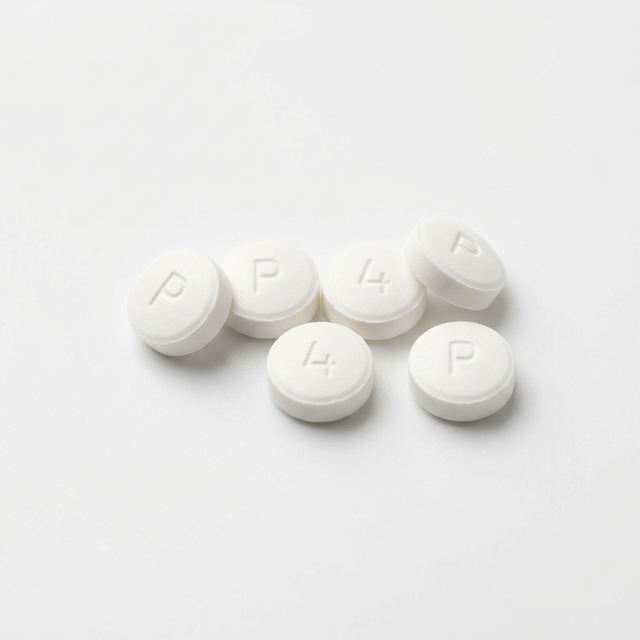
Dilaudid (Hydromorphone) is often referred to as 'hospital-grade' pain relief. In the U.S. clinical landscape, it is characterized by:
- Superior Potency: It is roughly 3 times stronger than Oxycodone milligram-for-milligram. This allows for very tiny, concentrated pills.
- Rapid Peak: Its effect hits the nervous system with a 'sharp' onset, providing almost immediate relief for trauma or surgical pain.
- Kidney Safety: It is often preferred over Morphine for U.S. patients with moderate kidney impairment because its metabolites are less toxic.
However, its 'rollercoaster' effect—hitting fast and leaving fast—can lead to more frequent requests for re-dosing.
Clinical Profile: Oxycodone

Oxycodone is perhaps the most widely prescribed high-potency opioid in modern America. Its profile includes:
- Reliability: Unlike Dilaudid, Oxycodone is absorbed exceptionally well by the stomach, meaning the patient gets the same level of relief every time.
- Stay Power: It lasts slightly longer than Dilaudid in the bloodstream, providing a smoother experience for patients with persistent pain.
- Dual Formats: Available in both 'Immediate Release' (Roxicodone) and 'Extended Release' (OxyContin) versions in the USA.
Because it is so effective and widely available, it has been at the center of the U.S. opioid epidemic and remains strictly monitored.
Mechanism of Action: How They Work
Both medications are 'Mu-Opioid Agonists,' but they interact with the U.S. patient's biology in slightly different ways:
- Dilaudid: Crosses the blood-brain barrier more rapidly than Oxycodone. This creates the 'rush' or 'peak' effect that is prized for acute trauma. It binds almost exclusively to the Mu-receptor.
- Oxycodone: May have some affinity for the Kappa-opioid receptor as well, which some U.S. researchers believe contributes to its unique effectiveness for certain types of pain, though Mu-activity remains its primary engine.
Receptor Fit & Speed
Peak Intensity
Dilaudid hits 2x faster than Oxycodone IR.
Stomach Barrier
Oxycodone survives stomach acid better, ensuring 80%+ absorption.
Metabolic Path
Oxycodone depends on CYP3A4; Dilaudid uses Glucuronidation.
Brain Access
Dilaudid's chemical structure allows for easier entry into CNS fat.
FDA-Approved vs. Off-Label Uses
Oversight by the U.S. FDA and Clinical Use:
- Dilaudid FDA: Reserved for management of pain severe enough to require an opioid.
- Oxycodone FDA: Management of pain severe enough to require an opioid treatment.
- REMS Program: Both are subject to the FDA's 'Risk Evaluation and Mitigation Strategy,' requiring doctors to follow strict education and monitoring guidelines.
Potency and Clinical Strength
Understanding the MME (Morphine Milligram Equivalent) Gap:
- Oxycodone (1.5x): 20mg of Oxycodone is roughly equal to 30mg of Morphine.
- Dilaudid (4.0x): 20mg of Dilaudid is roughly equal to **80mg** of Morphine.
- The Ratio: Dilaudid is approximately **2.6 to 3 times more powerful** than Oxycodone. A patient switching between these two must have their dose adjusted significantly by a U.S. specialist.
Bioavailability & Metabolism
Liver processing in American medicine:
- Oxycodone: Metabolized by the CYP3A4 and CYP2D6 enzymes. Taking it with drugs that block these (like certain antibiotics) can cause an accidental overdose in U.S. patients.
- Dilaudid: Bypasses the CYP system almost entirely. This is a massive advantage for patients who are taking several other medications, as it reduces the risk of dangerous drug-to-drug interactions.
Half-Life & Duration of Action
Duration of relief and stability:
- Dilaudid: Half-life of 2-3 hours. Relief lasts 3-4 hours. Often requires dosing 6 times a day for constant pain.
- Oxycodone: Half-life of 3.5 hours. Relief lasts 4-6 hours. Provides a more 'even' feeling than the sharp peaks of Dilaudid.
Clinical Efficacy and Indications
U.S. Clinical Applications:
- Breakthrough Cancer Pain: Dilaudid is often preferred because it intercepts sudden 'spikes' in pain effectively.
- Chronic Non-Cancer Pain: Oxycodone is the standard for long-term use due to its predictability.
- Emergency Room: Dilaudid is the preferred IV choice for kidney stones or severe breaks in many U.S. hospitals.
Typical Dosage and Administration
Typical U.S. Dosing Strategies:
- Oxycodone IR: Typically starts at 5mg to 15mg every 4-6 hours.
- Dilaudid IR: Typically starts at 2mg to 4mg every 4-6 hours.
- OxyContin (Oxycodone ER): Taken twice daily (every 12 hours) for around-the-clock protection.
Side Effects and Adverse Reactions
Side effect comparison for American patients:
- Nausea: Equal risk in both; often the major reason U.S. patients stop taking these medications.
- Sedation: Dilaudid causes a 'heavier' drowsiness due to its rapid peak.
- Itching: More common with Dilaudid, though both are better than Morphine in this regard.
Comprehensive Side Effect Analysis
| Adverse Event | Dilaudid (Ultra-Potent) | Oxycodone (Potent) |
|---|---|---|
| Sedation / Drowsiness | Very High | High |
| Respiratory Depression | Extreme Risk | High Risk |
| Constipation | Extremely High | Very High |
| Itching (Pruritus) | Moderate | Low |
| Mental Confusion | High | Moderate |
🔴 Dilaudid Risks
- Heavy daytime sleepiness
- Severe constipation
- Initial nausea/vomiting
- Dizziness when standing
- Small 'pinpoint' pupils
🔴 Oxycodone Risks
- Significant constipation
- Dry mouth
- Sweating
- Dizziness
- Nausea
⚠ Critical Safety Note
Serious adverse reactions require immediate medical attention. The following are life-threatening signs:
- Fatal respiratory arrest (Breathing stops)
- Profound hypotension (Low blood pressure)
- Lethal drug-to-drug interactions (Oxycodone/CYP3A4)
- Severe withdrawal syndromes
- Adrenal insufficiency (Long-term use)
Safety, Addiction Risk, and Controlled Status
⚠ U.S. Regulation: CRITICAL (USA SCHEDULE II)
Safety and Regulatory Environment (USA):
- Abuse Profile: Both are high-risk drugs. Oxycodone is often associated with the 'pill mill' era, while Dilaudid is a high-target for IV misuse in the United States.
- Tolerance: U.S. doctors monitor both closely for 'tolerance'—where the patient needs more medication to get the same effect over time.
- Storage: Both must be kept in a high-security lock box; a single 4mg Dilaudid pill can be fatal to an opioid-naive child in the U.S.
- Dilaudid: Report any 'hallucinations' or extreme confusion to your U.S. doctor.
- Oxycodone: Be careful if you enjoy grapefruit juice (It can interact with your liver enzymes).
- Both: Absolutely zero alcohol; the leading cause of accidental pharmacy death in the USA.
- Both: Never share; giving a Schedule II drug to another person is a federal crime.
Pharmacy Cost & U.S. Healthcare Access
Availability and U.S. Pricing:
- Dilaudid (Generic): Inexpensive generic tablets ($20-$50).
- Oxycodone (Generic): Very inexpensive generic tablets ($15-$40).
- OxyContin (Brand): Can be very expensive without insurance ($300+ for a month).
Clinical Decision Flow: Which Should You Choose?
Clinical Decision Matrix for U.S. Physicians:
- Choose Dilaudid: For patients with severe 'spikes' in pain, those in end-of-life care, or those who have failed on Morphine and Oxycodone.
- Choose Oxycodone: For patients who need a very reliable and predictable response from an oral pill for chronic, steady pain.
U.S. High-Potency Selection Guide
Frequently Asked Questions
No. It is Hydromorphone, which is about 4-8 times more concentrated and powerful than standard Morphine.
It was marketed as being 'non-addictive' due to its 12-hour release, which turned out to be false and led to widespread misuse.
Only if the pain is severe and has failed on all other options like NSAIDs, physical therapy, and weaker narcotics.
Not initially. In the U.S., you should not operate heavy machinery until you know how these powerful narcotics affect your alertness.
Both are 'extreme' in this regard, though Dilaudid is slightly more associated with 'opioid-induced bowel dysfunction' in clinical studies.