Dilaudid vs Percocet: Clinical Comparison, Potency & Side Effects

Dilaudid (Hydromorphone) and Percocet (Oxycodone and Acetaminophen) are staples of the American analgesic market, but they represent two very different strategies for managing pain. While Percocet is the universal standard for post-surgical recovery at home, Dilaudid is a high-potency narcotic often reserved for pain that Percocet cannot control.
- Dilaudid: A pure, semi-synthetic opioid derivative of Morphine, known for its extreme potency and rapid onset.
- Percocet: A combination drug that pairs Oxycodone with Acetaminophen (Tylenol) to hit pain from two different angles.
In the U.S. medical system, the jump from Percocet to Dilaudid is a major escalation in therapy, as Dilaudid carries a much higher risk of respiratory depression and sedation.

Dr. Kelsey Hopkins, MD
Dr. Hopkins practices rural family medicine in Southern Illinois, with a focus on community healthcare and chronic pain management.
Quick Reference Comparison
| Clinical Feature | Dilaudid | Percocet |
|---|---|---|
| U.S. Potency (MME) | 4.0 (Ultra-Potent) | 1.5 (High) |
| Primary Form | Pure (No Tylenol) | Combination (with Tylenol) |
| Onset of Action | 15 - 30 Minutes | 30 - 60 Minutes |
| Half-Life | 2 - 3 Hours (Short) | 3.5 Hours (Moderate) |
| Best For | Severe Trauma / Cancer Relief | Post-Op Recovery / Moderate Injury |
Clinical Profile: Dilaudid
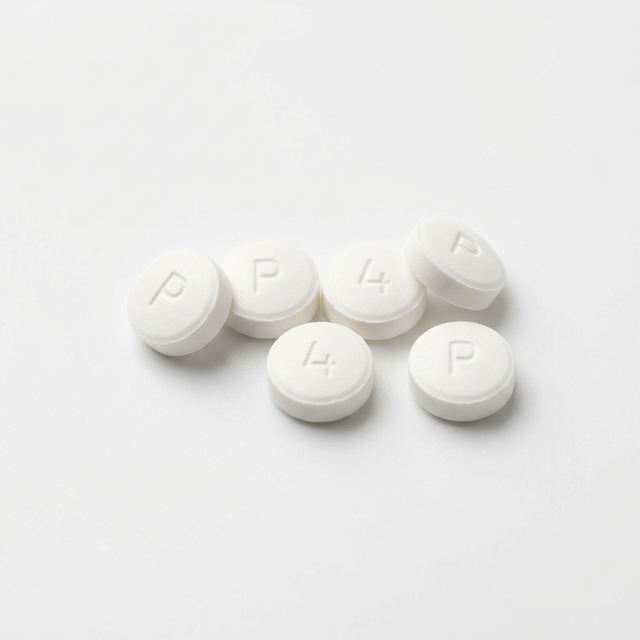
Dilaudid (Hydromorphone) is considered a 'tier-one' opioid in the USA. Its defining features include:
- Milligram-for-Milligram Strength: It is roughly 3 times more powerful than the Oxycodone found in Percocet.
- Rapid Interception: Doctors in the U.S. use it to 'rescue' patients from spikes in severe pain because it hits the brain faster than oral Percocet.
- Metabolic Simplicity: Because it is pure Hydromorphone, it doesn't carry the liver risks associated with high-dose Acetaminophen.
Dilaudid is rarely used for 'minor' surgeries; it is the standard for major trauma, oncology, and end-of-life care in the U.S.
Clinical Profile: Percocet

Percocet is perhaps the most famous name in U.S. pain management. Its profile includes:
- Synergistic Relief: By combining a narcotic (Oxycodone) and a non-narcotic (Acetaminophen), it provides more relief than if either were used alone.
- Predictability: Because Oxycodone has a very high 'oral bioavailability,' U.S. patients get a very consistent response every time they take a pill.
- At-Home Standard: It is the first-choice narcotic for U.S. surgeons discharging patients after orthopedic or abdominal surgery.
However, users must be extremely careful in the U.S. not to take other Tylenol-containing products while on Percocet.
Mechanism of Action: How They Work
While both target the 'Mu' opioid receptors, their pathways in the American patient differ:
- Dilaudid (Direct Agonist): It doesn't need to change in the body to work. It hits the receptors in the brain almost instantly. It bypasses the complex liver enzyme systems (CYP450) that many other drugs depend on.
- Percocet (The Duo): The Oxycodone targets the central nervous system, while the Acetaminophen blocks pain signals at the site of injury by inhibiting prostaglandins. The Oxycodone part *does* depend on liver enzymes (CYP3A4), making it more susceptible to drug-drug interactions.
Receptor Fit & Multi-Target Path
Peak Speed
Dilaudid hits its maximum brain effect 2x faster than Percocet.
Double Attack
Percocet uses Tylenol to reduce physical inflammation directly.
Potency Gap
Dilaudid provides 3x the 'analgesic punch' of Oxycodone per mg.
Liver Path
Dilaudid bypasses liver enzymes, reducing interaction risks.
FDA-Approved vs. Off-Label Uses
Oversight by the U.S. FDA and clinical usage:
- Dilaudid FDA: Reserved for management of pain severe enough to require an opioid.
- Percocet FDA: Relief of moderate-to-moderately severe pain.
- The Tylenol Ceiling: The FDA strictly limits Percocet to 325mg of Acetaminophen per tablet to prevent American patients from accidentally destroying their livers.
Potency and Clinical Strength
Understanding the MME (Morphine Milligram Equivalent) Scale:
- Percocet (1.5x): 10mg of Percocet (Oxycodone part) = 15mg of Morphine.
- Dilaudid (4.0x): 10mg of Dilaudid = **40mg** of Morphine.
- The Ratio: Dilaudid is approximately **2.6 to 3 times more powerful** than Percocet. A 4mg Dilaudid pill is roughly equal to taking nearly three 5mg Percocet pills (in terms of narcotic strength).
Bioavailability & Metabolism
Liver processing and GI uptake in U.S. patients:
- Percocet: Extremely reliable. About 60-87% of the pill is absorbed by the stomach and stays active in the blood.
- Dilaudid: Less reliable. Only about 30-50% is absorbed orally. For this reason, some U.S. patients find that Dilaudid pills 'don't work' well for them compared to the IV version used in hospitals.
Half-Life & Duration of Action
The duration of relief in the American patient experience:
- Dilaudid: Short half-life (2-3 hours). Relief is sharp but fades within 4 hours. It is hard to stay stable on Dilaudid for chronic pain.
- Percocet: Moderate half-life (3.5 hours). Relief lasts 4-6 hours, providing a more consistent and usable timeframe for patients recovering at home.
Clinical Efficacy and Indications
U.S. Clinical Applications:
- Emergency Room: IV Dilaudid is the preferred choice for kidney stones or severe breaks.
- Post-Op Discharge: Percocet is the 'Gold Standard' for home recovery from knee or shoulder surgery.
- Oncology: Dilaudid is frequently the choice for 'breakthrough' cancer pain flares.
Typical Dosage and Administration
Typical U.S. Dosing Guidelines:
- Percocet 5/325: Typically 1 to 2 tablets every 4-6 hours. (Max 8-10 per day due to Tylenol).
- Dilaudid IR: Typically 2mg to 4mg every 4-6 hours.
- Warning: Percocet users are actually more limited by the Tylenol content than the narcotic content in the USA.
Side Effects and Adverse Reactions
Adverse reaction comparison for American patients:
- Nausea: Both are high risk; however, the Acetaminophen in Percocet can be harder on an empty stomach.
- Itching: More common with Dilaudid as it triggers a stronger histamine release.
- Liver Toxicity: Only Percocet carries a significant risk for the liver if taken with alcohol or other Tylenol products.
Comprehensive Side Effect Analysis
| Adverse Event | Dilaudid (Intense) | Percocet (Reliable) |
|---|---|---|
| Drowsiness / Sedation | Very High | High |
| Respiratory Depression | Extreme Risk | High Risk |
| Stomach Upset / Nausea | High | Very High |
| Constipation | Extremely High | Very High |
| Itching (Hives) | Very High | Low |
🔴 Dilaudid Risks
- Profound daytime sleepiness
- Severe constipation
- Itching of the nose and face
- Lightheadedness
- Confusion in the elderly
🔴 Percocet Risks
- Stomach cramps
- Significant constipation
- Dizziness
- Dry mouth
- Sweating
⚠ Critical Safety Note
Serious adverse reactions require immediate medical attention. The following are life-threatening signs:
- Fatal respiratory arrest (Breathing stops)
- Acetaminophen-induced liver failure (Percocet)
- Profound hypotension (Low blood pressure)
- Lethal drug-to-drug interactions
- Severe withdrawal syndrome
Safety, Addiction Risk, and Controlled Status
⚠ U.S. Regulation: CRITICAL (USA SCHEDULE II)
Safety and Regulatory Environment (USA):
- Abuse Profile: Dilaudid is often sought for IV use due to its rapid effect. Percocet is widely illicitly distributed in the U.S. pill market.
- Schedule II: Both require a handwritten or high-security electronic script in the U.S. No phone-in refills are allowed.
- Alcohol Interaction: Mixing alcohol with Percocet destroys the liver; mixing alcohol with Dilaudid stops the heart. Neither is safe.
- Percocet: Never take with Tylenol, DayQuil, or Alka-Seltzer (which often contain hidden Tylenol).
- Dilaudid: Report any 'pins-and-needles' or fainting to your U.S. doctor immediately.
- Both: Keep Naloxone (Narcan) in the home; high-potency opioids like these are the leading cause of accidental pharmacy deaths in the USA.
- Lock your meds; one Percocet pill can be fatal to a toddler.
Pharmacy Cost & U.S. Healthcare Access
Availability and U.S. Pharmacy Pricing:
- Percocet (Generic): Inexpensive ($15-$30 for 30 tablets).
- Dilaudid (Generic): Relatively inexpensive ($20-$45 for 30 tablets).
- Availability: Percocet is available at every U.S. pharmacy; Dilaudid is sometimes stocked in lower quantities.
Clinical Decision Flow: Which Should You Choose?
Clinical Decision Matrix for U.S. Physicians:
- Choose Percocet: If the pain has an inflammatory component, for home recovery from routine surgery, or if the patient needs a consistent oral effect.
- Choose Dilaudid: For severe 'spike' pain, for patients allergic to Oxycodone, or for those whose livers cannot handle Acetaminophen.
U.S. High-Potency Selection Algorithm
Frequently Asked Questions
No. They are different drugs. Dilaudid is Hydromorphone, while the narcotic in Percocet is Oxycodone. Dilaudid is nearly 3 times more powerful.
Dilaudid causes a more significant release of histamine in common American patients compared to synthetic Oxycodone.
NEVER without a direct prescription from a U.S. specialist. Combining high-potency narcotics exponentially increases the risk of fatal respiratory arrest.
In the USA, it's mostly due to the Tylenol. Taking more than 4,000mg of Tylenol a day can cause irreversible liver failure.
Usually Percocet, because Oxycodone absorption is more reliable than Hydromorphone, providing a steady baseline for U.S. chronic pain patients.