Dilaudid vs Tramadol: Clinical Comparison, Potency & Side Effects

Dilaudid (Hydromorphone) and Tramadol sit at opposite ends of the American analgesic 'step ladder.' While both are prescribed to manage pain in the United States, their chemical foundations, potency levels, and legal restrictions could not be more different.
- Dilaudid: A semi-synthetic opioid known for its extreme potency and rapid onset, often reserved for severe post-surgical or cancer pain.
- Tramadol: A synthetic, dual-action analgesic with much lower opioid potency, typically used for moderate chronic or acute pain.
Understanding the gap between these two is vital for U.S. patients, as a dosage error involving Dilaudid carries significantly higher risks of life-threatening respiratory depression compared to Tramadol.

Dr. Kelsey Hopkins, MD
Dr. Hopkins practices rural family medicine in Southern Illinois, with a focus on community healthcare and chronic pain management.
Quick Reference Comparison
| Clinical Feature | Dilaudid | Tramadol |
|---|---|---|
| U.S. Potency (MME) | 4.0 (Very High) | 0.1 (Low) |
| DEA Schedule | Schedule II | Schedule IV |
| Mechanism | Pure Mu-Opioid Agonist | Mu-Agonist + SNRI Activity |
| Onset of Action | 15 - 30 Minutes | 30 - 60 Minutes |
| Best For | Severe Trauma / Post-Op | Moderate Injury / Flare-ups |
Clinical Profile: Dilaudid
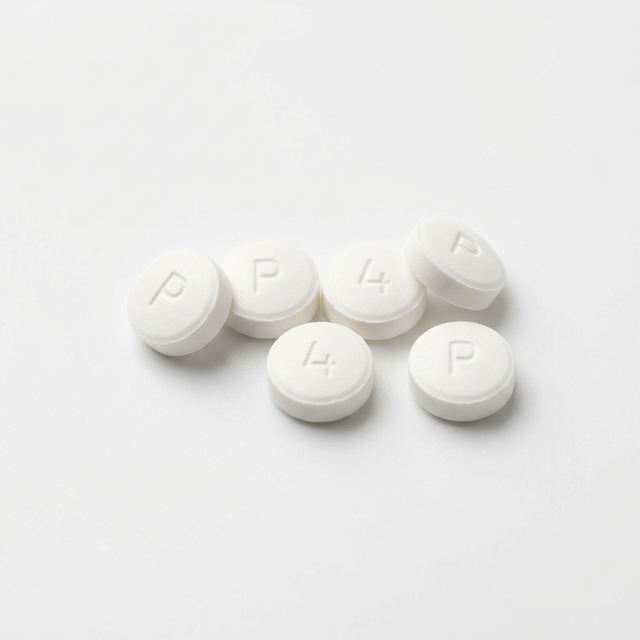
Dilaudid is the brand name for Hydromorphone, a powerful semi-synthetic opioid derived from Morphine. In the American healthcare system, it is characterized by:
- Intensity: It is 4 to 8 times stronger than Morphine, allowing for effective relief with very small pill sizes (e.g., 2mg or 4mg).
- Speed: Known for a very sharp 'peak' effect, it is the primary choice for 'rescue' dosing in U.S. emergency rooms.
- Solubility: Highly water-soluble, making it a preferred choice for concentrated IV injections in hospital settings.
Because of its rapid and intense effect, it carries one of the highest potentials for addiction and misuse in the USA.
Clinical Profile: Tramadol

Tramadol (Ultram) is a unique 'atypical' opioid widely used in the U.S. for its dual-action properties:
- Opioid Action: It binds weakly to pain receptors (Mu-receptors) compared to Dilaudid.
- Neurotransmitter Action: It increases levels of Serotonin and Norepinephrine in the brain, similar to some antidepressants.
- Safer Profile: Generally carries a lower risk of slowed breathing, though it has its own unique risks like seizures.
In 2014, the U.S. DEA moved Tramadol to Schedule IV to better regulate its potential for dependence.
Mechanism of Action: How They Work
The difference in how these drugs interact with the U.S. patient's central nervous system is profound:
- Dilaudid (Pure Power): It has a 'perfect fit' with the Mu-opioid receptors. It primarily works by 'blunting' the brain's perception of pain and the emotional response to it. It has very little effect on other neurotransmitters.
- Tramadol (The Multi-Tasker): It uses two paths. About 30% of its relief comes from the opioid path, while 70% comes from the SNRI path (blocking the re-uptake of Serotonin and Norepinephrine). This makes it particularly useful for 'burning' or nerve-related moderate pain.
Receptor Targets & CNS Effect
Direct Hub
Dilaudid hits pain receptors 40x harder than Tramadol.
Serotonin Boost
Tramadol affects mood chemicals, which can help with nerve pain.
Rapid Transit
Dilaudid crosses the blood-brain barrier almost instantly.
Metabolic Step
Tramadol must be processed by the liver to become fully 'active'.
FDA-Approved vs. Off-Label Uses
FDA Oversight and U.S. Medical Practice:
- Dilaudid FDA: Reserved for management of pain severe enough to require an opioid when non-opioids are inadequate.
- Tramadol FDA: Management of pain severe enough to require an opioid (typically moderate levels).
- Off-Label Use: Tramadol is often used in the U.S. for Restless Leg Syndrome (RLS) or premature ejaculation, though these are not primary FDA indications.
Potency and Clinical Strength
Understanding the MME (Morphine Milligram Equivalent) Scale:
- Tramadol (0.1): 100mg of Tramadol is roughly equal to only 10mg of Morphine.
- Dilaudid (4.0): Just 2.5mg of Dilaudid is equal to 10mg of Morphine.
- The Ratio: Dilaudid is approximately **40 times more powerful** than Tramadol milligram-for-milligram. This is why Dilaudid pills are so small and Tramadol pills are large.
Bioavailability & Metabolism
Liver and elimination pathways in U.S. patients:
- Dilaudid: It is primarily metabolized by 'glucuronidation' in the liver. This makes it a safer choice than many other opioids (like Morphine) for patients with moderate kidney or liver issues in the USA.
- Tramadol: It depends heavily on the liver enzyme **CYP2D6**. Some patients (about 10% of the U.S. population) are 'poor metabolizers' and will get almost no pain relief from Tramadol. Others are 'ultra-rapid metabolizers' and face higher overdose risks.
Half-Life & Duration of Action
The duration of relief in the American patient experience:
- Dilaudid: Short half-life (2-3 hours). Pain relief peaks at 1 hour and is mostly gone by 4 hours. It is a 'rollercoaster' drug.
- Tramadol: Moderate half-life (6-7 hours). Relief is smoother and lasts longer (approx. 6 hours).
Clinical Efficacy and Indications
Clinical Applications in U.S. Hospitals:
- Acute Emergency: Dilaudid is the gold standard for kidney stones or sickle-cell crises.
- Chronic Management: Tramadol is often the first opioid a U.S. patient is prescribed for arthritis or chronic back pain.
- Post-Op: Dilaudid is common for major surgeries (e.g., spinal fusion), while Tramadol is common for minor procedures (e.g., wisdom teeth removal).
Typical Dosage and Administration
Standard U.S. Dosing Guidelines:
- Dilaudid: Typical start is 2mg to 4mg every 4-6 hours (Immediate Release).
- Tramadol: Typical start is 50mg every 4-6 hours. (The U.S. daily max is 400mg).
- Pediatric Alert: The FDA has strictly cautioned against Tramadol use in children under 12 due to respiratory risks.
Side Effects and Adverse Reactions
Adverse Reaction Profiles for U.S. Patients:
- Dilaudid: High risk of extreme sedation, itching (pruritus), and profound constipation.
- Tramadol: Unique risk of nausea, dizziness, and heavy sweating. It can also cause 'Serotonin Syndrome' if mixed with antidepressants.
Comprehensive Side Effect Analysis
| Adverse Event | Dilaudid (Potent) | Tramadol (Moderate) |
|---|---|---|
| Nausea / Vomiting | High | Very High |
| Dizziness | Moderate | Very High |
| Itching | Very High | Low |
| Seizure Risk | Very Low | Moderate (at high doses) |
| Constipation | Extremely High | Moderate |
🔴 Dilaudid Risks
- Profound drowsiness
- Severe constipation
- Intense itching of the skin
- Dry mouth
- Lightheadedness
🔴 Tramadol Risks
- Nausea and stomach upset
- Dizziness / Vertigo
- Headaches
- Heavy sweating (Diaphoresis)
- Sleep disturbances
⚠ Critical Safety Note
Serious adverse reactions require immediate medical attention. The following are life-threatening signs:
- Life-threatening respiratory depression (Dilaudid)
- Seizures (Tramadol especially >400mg)
- Serotonin Syndrome (Tramadol interactions)
- Anaphylaxis
- Severe hypotension (low blood pressure)
Safety, Addiction Risk, and Controlled Status
⚠ U.S. Regulation: CRITICAL (Dilaudid) vs MODERATE (Tramadol)
Regulatory and Safety Context in the USA:
- Dilaudid (Schedule II): Recognized by the DEA as having a high potential for abuse and severe physical/psychological dependence.
- Tramadol (Schedule IV): Recognized as having a lower potential for abuse, but still carries significant risks of addiction and withdrawal.
- Withdrawal: Tramadol withdrawal is notoriously difficult in the U.S. because it involves both opioid withdrawal and antidepressant-style 'brain zaps.'
- Dilaudid: Never take for 'minor' pain; it is a high-potency surgical narcotic.
- Tramadol: Do not mix with SSRIs, SNRIs, or MAOIs (Tricyclic antidepressants).
- Both: Absolutely zero alcohol; the combination of alcohol and Dilaudid is often fatal.
- Both: Keep locked away; a single child ingestion of Dilaudid is a medical emergency.
Pharmacy Cost & U.S. Healthcare Access
Availability and U.S. Pharmacy Pricing:
- Insurance: Both are usually on the 'Preferred' (Tier 1) list of U.S. insurance formularies.
- Generic Status: Both are available as very inexpensive generics in almost all U.S. pharmacies (CVS, Walgreens, etc.).
Clinical Decision Flow: Which Should You Choose?
Clinical Decision Path for U.S. Physicians:
- Choose Dilaudid: If the pain is 'acute-severe' (8/10 or higher), if the patient is allergic to Morphine, or for post-op recovery in the hospital.
- Choose Tramadol: If the pain is moderate (4-6/10), if there is a neuropathic (nerve) component, or if the doctor wants to avoid Schedule II narcotics.
U.S. Analgesic Selection Algorithm
Frequently Asked Questions
No. While related, Dilaudid is a different chemical (Hydromorphone) that is much more potent and works faster than standard Morphine.
Tramadol's effect on Serotonin receptors in the gut and brain is very strong, leading to higher rates of nausea than many other opioids.
Absolutely not. In the U.S., opioids are contraindicated for migraine and tension headaches due to the risk of 'rebound' pain and addiction.
Yes. In the USA, it is a Schedule IV controlled substance and is technically a synthetic opioid.
Yes, its rapid onset into the brain can cause intense euphoria, which is why it is strictly regulated as a Schedule II drug.