Fentanyl vs Ibuprofen: Clinical Comparison, Potency & Side Effects
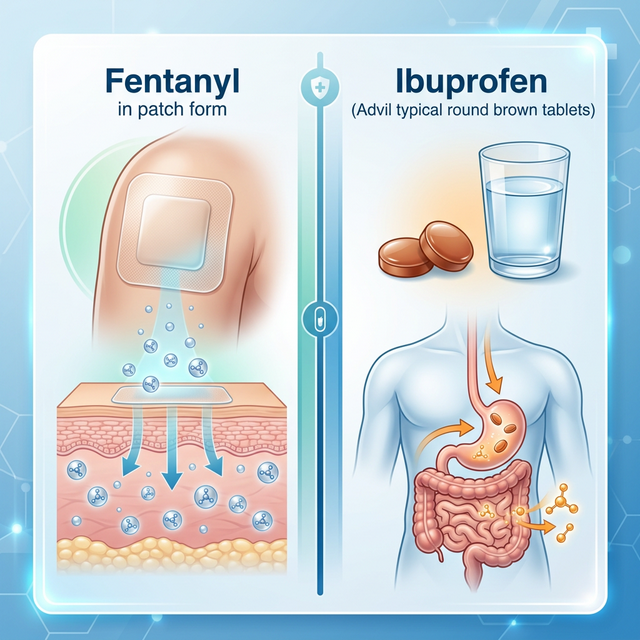
Fentanyl and Ibuprofen are fundamental components of the American pain management 'Ladder,' but they serve completely different biological purposes. One is a controlled synthetic opioid, while the other is an over-the-counter (OTC) anti-inflammatory.
- Fentanyl: A Schedule II narcotic used for the most severe chronic pain.
- Ibuprofen: A non-steroidal anti-inflammatory drug (NSAID) used for injury, swelling, and everyday aches.
While Fentanyl blocks pain signals in the brain, Ibuprofen blocks the chemical production of pain at the site of injury.

Dr. Kelsey Hopkins, MD
Dr. Hopkins practices rural family medicine in Southern Illinois, with a focus on community healthcare and chronic pain management.
Quick Reference Comparison
| Clinical Feature | Fentanyl | Ibuprofen |
|---|---|---|
| U.S. Regulation | Schedule II Controlled | OTC / Prescription |
| Drug Class | Pure Synthetic Opioid | NSAID (Non-Steroidal) |
| Primary Action | Mu-Receptor Agonism | COX-1 and COX-2 Inhibition |
| Anti-Inflammatory | None | Extremely High |
| Organ Risk | Respiratory System | Stomach, Kidneys, Heart |
Clinical Profile: Fentanyl
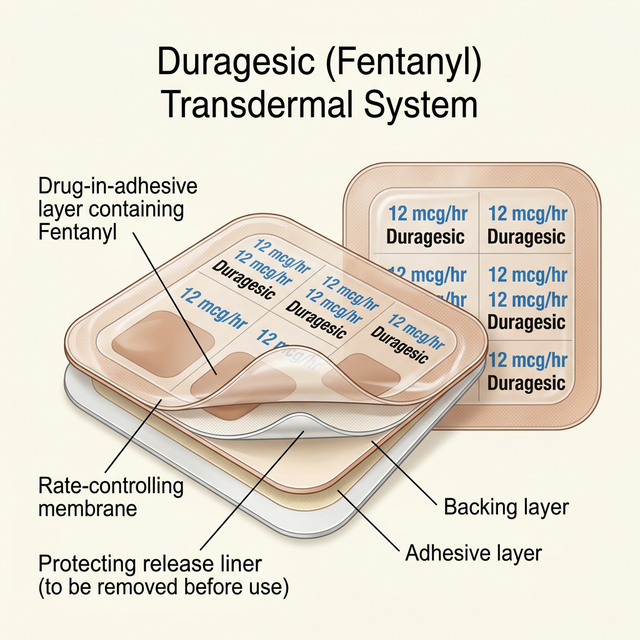
Fentanyl is a specialized tool for chronic or surgical pain within the USA. Its features include:
- Transdermal Patch: The most common form (Duragesic) lasts for 72 hours.
- Extreme Potency: 100x stronger than morphine; dosed in micrograms (mcg).
- No Ceiling: Unlike Ibuprofen, adding more Fentanyl will always increase pain relief (and risk).
It is reserved for patients who have already developed a tolerance to other strong painkillers.
Clinical Profile: Ibuprofen
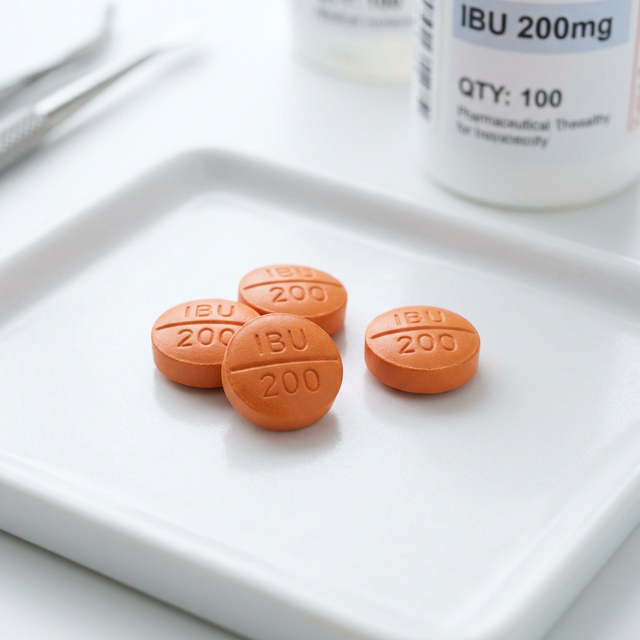
Ibuprofen is known by brand names like Advil and Motrin. In the U.S. market, it is valued for:
- Dual Action: Reduces both pain and the physical swelling (inflammation) around an injury.
- Accessibility: Available as 200mg (OTC) and up to 800mg (Prescription).
- Versatility: Used for everything from menstrual cramps to minor arthritis and dental pain.
While non-addictive, it has significant safety risks for the stomach and heart if taken long-term.
Mechanism of Action: How They Work
How these drugs interact with American patients at the molecular level:
- Fentanyl: Blocks pain in the brain and spinal cord by mimics natural endorphins.
- Ibuprofen: Inhibits Cyclooxygenase (COX) enzymes, preventing the body from making Prostaglandins.
- Biological Focus: Fentanyl treats the 'perception' of pain; Ibuprofen treats the 'source'.
Opioid vs. Anti-Inflammatory
Target: Brain
Fentanyl stops the brain from caring about pain signals.
Target: Tissue
Ibuprofen reduces swelling and heat at the tissue level.
Organ Risk: Stomach
Ibuprofen can cause ulcers; Fentanyl does not affect the stomach lining.
Organ Risk: Lungs
Fentanyl can stop breathing; Ibuprofen does not affect respiration.
FDA-Approved vs. Off-Label Uses
FDA oversight and common U.S. medical practices:
- Fentanyl FDA: Management of severe, persistent chronic pain in tolerant patients.
- Ibuprofen FDA: Relief of minor aches/pains, fever reduction, and treatment of arthritis.
- Combination: Doctors often prescribe both together (e.g., after surgery) to fight pain on two fronts.
Potency and Clinical Strength
Potency comparison (Modern U.S. Standards):
- Fentanyl (Extreme): Powerful enough to require microgram dosing.
- Ibuprofen (Mild to Moderate): Requires hundreds of milligrams (mg) to be effective.
- The Comparison: Fentanyl is approximately 50,000x stronger than Ibuprofen by weight.
Bioavailability & Metabolism
- Fentanyl Patch: Slowly seeps into the fat layer; 92% bioavailability.
- Ibuprofen Tablets: Absorbed in the stomach/small intestine; 80% bioavailability.
- Kidney Warning: Ibuprofen can reduce blood flow to the kidneys, which is a major concern in the USA.
Half-Life & Duration of Action
- Fentanyl: Provides 72 hours of constant coverage per patch application.
- Ibuprofen: Lasts 4-6 hours; wears off quickly and requires multiple doses daily.
- Accumulation: Ibuprofen does not 'build up' like long-acting opioids.
Clinical Efficacy and Indications
Effectiveness in U.S. patient populations:
- Arthritis/Muscle Strain: Ibuprofen is significantly more effective than Fentanyl for inflammation.
- End-stage Pain: Fentanyl is the superior choice for comfort and dignity.
Typical Dosage and Administration
- Ibuprofen: 200mg to 800mg tablets, usually 3-4 times daily.
- Fentanyl: 12mcg to 100mcg per hour patches every 3 days.
- Ibuprofen Limit: Max 3,200mg per day (Prescription) or 1,200mg (OTC).
Side Effects and Adverse Reactions
Adverse reaction comparison in the United States:
- Stomach Lining: Ibuprofen can cause ulcers and bleeding; Fentanyl is stomach-safe.
- Breathing: Fentanyl can stop respiration; Ibuprofen does not affect lungs.
- Cardiovascular: NSAIDs like Ibuprofen slightly increase the risk of heart attack/stroke.
Comprehensive Side Effect Analysis
| Adverse Event | Fentanyl (Opioid) | Ibuprofen (NSAID) |
|---|---|---|
| Stomach Bleeding | None | High Risk |
| Constipation | Extremely High | Low |
| Heart Attack Risk | Minimal | Moderate |
| Addiction Potential | Extreme | None |
| Kidney Strain | Low | High |
🔴 Fentanyl Risks
- Severe sedation/drowsiness
- Nausea and vomiting
- Profound constipation
- Shallow breathing
- Confusion in the elderly
🔴 Ibuprofen Risks
- Stomach pain or heartburn
- Nausea
- Dizziness
- Ringing in the ears (Tinnitus)
- Mild rash
⚠ Critical Safety Note
Serious adverse reactions require immediate medical attention. The following are life-threatening signs:
- Gastrointestinal Bleeding (Ibuprofen)
- Acute Kidney Injury (Ibuprofen)
- Lethal Respiratory Arrest (Fentanyl)
- Heat-induced patch overdose
- Sudden Heart Attack / Stroke (NSAID risk)
Safety, Addiction Risk, and Controlled Status
⚠ U.S. Regulation: FENTANYL: EXTREME | IBUPROFEN: LOW (AS DIRECTED)
Safety regulations and risks in American healthcare:
- Kidney Safety: Dehydrated patients must avoid Ibuprofen to prevent kidney failure.
- The Patch Rule: Heat causes Fentanyl to dump into the blood at lethal levels.
- Addiction: Ibuprofen has ZERO addiction potential; Fentanyl is highly addictive.
- Never take Ibuprofen if you have active stomach ulcers.
- Ibuprofen: Avoid before major surgery due to bleeding risk.
- Fentanyl: Keep away from children and pets (Fatal if swallowed).
- Keep Naloxone (Narcan) in the house for Fentanyl users.
Pharmacy Cost & U.S. Healthcare Access
- Ibuprofen: Extremely cheap ($5-$12 for a bottle of 200).
- Fentanyl: High-cost clinical medication ($60-$150).
Clinical Decision Flow: Which Should You Choose?
Clinical decision tree for U.S. consumers:
- Choose Ibuprofen: For sprains, dental swelling, period pain, or arthritis flares.
- Choose Fentanyl: ONLY for severe, around-the-clock chronic pain under specialist care.
U.S. Inflammation vs. Nerve Strategy
Frequently Asked Questions
No. It is a Non-Steroidal Anti-Inflammatory Drug (NSAID).
Yes, this is a common 'multi-modal' pain strategy in U.S. clinics.
Rarely. Unlike Fentanyl, its primary side effects are gastric, not intestinal.
Fentanyl is synthetic and designed specifically to bind tight to brain receptors; Ibuprofen targets enzymes.
Fentanyl is generally considered safer for kidneys than Ibuprofen.