Fentanyl vs Percocet: Clinical Comparison, Potency & Side Effects
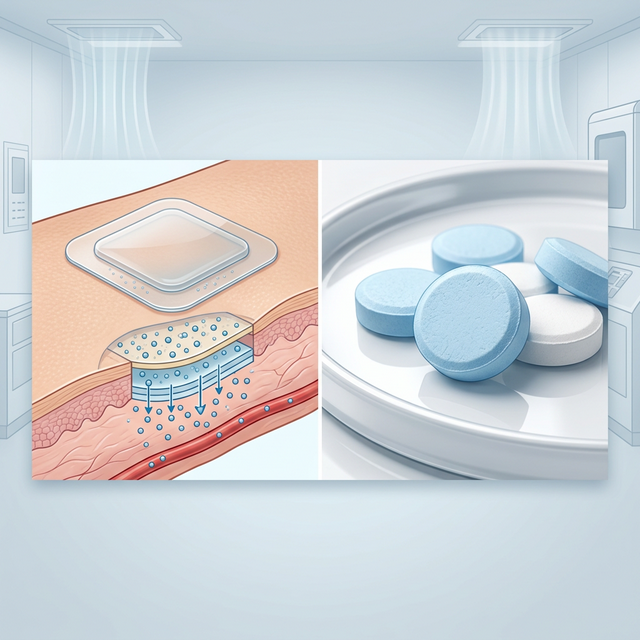
Fentanyl and Percocet represent two different philosophies in U.S. pain management. One is a highly specialized single-molecule powerhouse, while the other is a balanced combination drug used for moderate-to-severe pain.
- Fentanyl: A purely synthetic opioid measured in micrograms (mcg).
- Percocet: A combination of Oxycodone (opioid) and Acetaminophen (non-opioid analgesic).
While both are strictly controlled Schedule II medications, their safety limits and secondary ingredients (like Tylenol) dictate very different clinical paths.

Dr. Kelsey Hopkins, MD
Dr. Hopkins practices rural family medicine in Southern Illinois, with a focus on community healthcare and chronic pain management.
Quick Reference Comparison
| Clinical Feature | Fentanyl | Percocet |
|---|---|---|
| Active Components | Fentanyl only | Oxycodone + Acetaminophen |
| Potency (vs Morphine) | 100x | 1.5x (Oxycodone component) |
| MME per standard dose | Varies (High) | 7.5 MME (per 5mg tablet) |
| Ceiling Effect | None (Opioid only) | Yes (due to Tylenol liver limit) |
| DEA Schedule | Schedule II | Schedule II |
Clinical Profile: Fentanyl
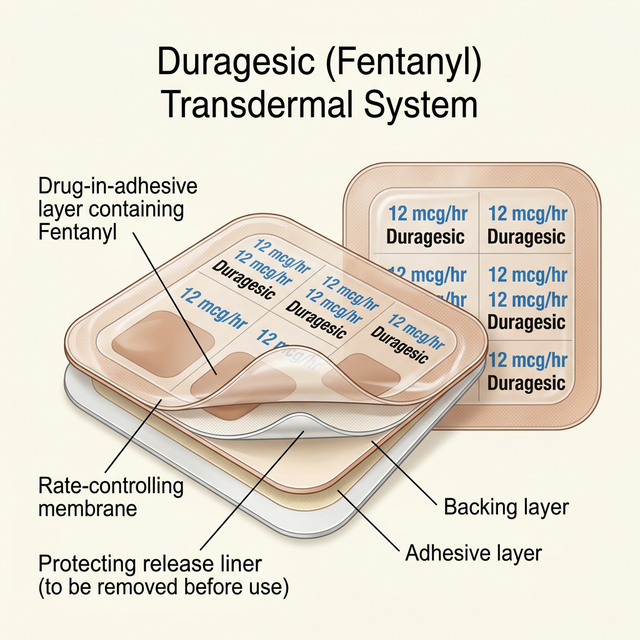
Fentanyl is the stronger of the two, used primarily for chronic or surgical pain. In the USA:
- Transdermal: The most common form is the patch, which lasts for 72 hours.
- Synthetic: It does not contain any natural poppy derivatives.
- Specific Use: Only for people who are already on long-term, high-dose opioids.
It is valued for providing a steady baseline of relief without the 'up-and-down' cycles of pills.
Clinical Profile: Percocet
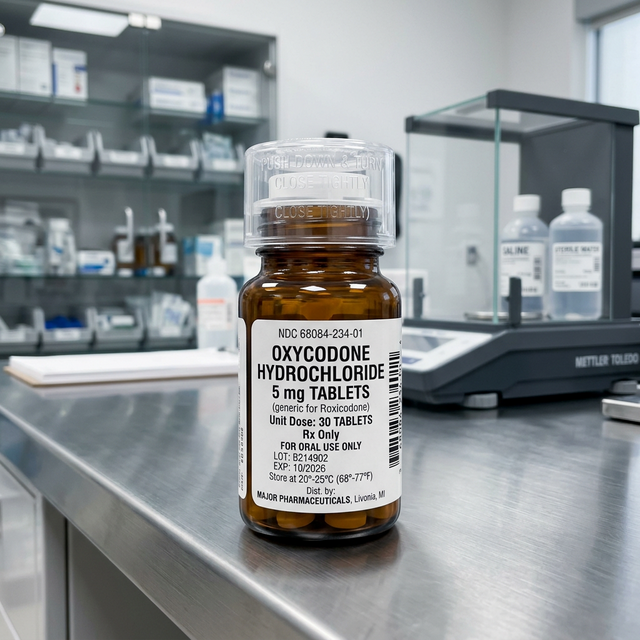
Percocet is one of the most widely recognized pain medications in America. Key details:
- Dual Action: Oxycodone blocks pain signals in the brain, while Acetaminophen reduces pain chemicals at the source.
- Acute Use: Extremely common for post-surgical recovery (e.g., wisdom teeth, orthopedic surgery).
- The Tylenol Factor: Contains 325mg of Acetaminophen, which limits how many pills can be taken safely.
It is preferred for pain that involves inflammation or 'acute-on-chronic' flares.
Mechanism of Action: How They Work
Understanding how these molecules block pain in the U.S. medical system:
- Fentanyl: Crosses the fat-rich blood-brain barrier instantly. It only focuses on Mu-Opioid receptor firing.
- Percocet (Oxycodone): Stimulates opioid receptors but also increases dopamine, leading to a higher risk of euphoria.
- Percocet (Acetaminophen): Inhibits the COX enzyme in the central nervous system, providing a secondary layer of relief.
Molecule vs. Combination
Single Target
Fentanyl only hits the opioid 'switch'.
Dual Target
Percocet hits both opioid and chemical 'pain messengers'.
Liver Limit
Percocet's Tylenol component has a 4g/day max safety cap.
Fat Solubility
Fentanyl's ability to soak into skin/brain is 100x higher.
FDA-Approved vs. Off-Label Uses
FDA oversight and common U.S. medical practices:
- Fentanyl FDA: Persistent, moderate-to-severe chronic pain in opioid-tolerant patients.
- Percocet FDA: Relief of moderate-to-moderately-severe pain, usually acute.
- Safety Warning: Only Percocet has an FDA 'Black Box' warning for liver failure due to Acetaminophen.
Potency and Clinical Strength
Potency comparison based on MME (Morphine Milligram Equivalents):
- Fentanyl (100x): A micro-dose (mcg) is equivalent to a large dose of other opioids.
- Oxycodone in Percocet (1.5x): Stronger than Morphine and Hydrocodone, but much weaker than Fentanyl.
- The Gap: Fentanyl is approximately 60-70 times stronger than the Oxycodone in Percocet.
Bioavailability & Metabolism
- Fentanyl (Patch): 92% of the drug reaches the blood via the skin reservoir.
- Percocet (Oral): Oxycodone has 60-87% bioavailability; Acetaminophen is 90%+.
- Liver Stress: Percocet puts significantly more stress on the liver than Fentanyl.
Half-Life & Duration of Action
- Fentanyl: 72-hour coverage; provides stable blood levels for 3 days.
- Percocet: 4-6 hour coverage; requires multiple pills throughout the day.
- Risk: Percocet has a higher risk of 'end-of-dose' withdrawal symptoms.
Clinical Efficacy and Indications
Effectiveness in different U.S. clinical scenarios:
- Cancer Pain: Fentanyl is the standard for stable comfort.
- Post-Op Pain: Percocet is the standard for the first 3-5 days after surgery.
- Inflammatory Pain: Percocet's Tylenol component makes it slightly better for injury pain.
Typical Dosage and Administration
- Percocet: Dosed as 5/325, 7.5/325, or 10/325 every 4-6 hours.
- Fentanyl: Dosed as 12, 25, 50, 75, or 100 mcg/hr patches every 3 days.
- Maximums: Percocet is capped at 12 tablets per day due to Tylenol safety limits.
Side Effects and Adverse Reactions
Common adverse reactions in American patients:
- Nausea: Very common in both; Percocet may cause more stomach upset due to pills.
- Itching: Common with Percocet (Oxycodone); less common with synthetic Fentanyl.
- Liver Toxicity: Only a risk with Percocet.
Comprehensive Side Effect Analysis
| Adverse Event | Fentanyl (Patch) | Percocet (Oxy/APAP) |
|---|---|---|
| Stomach Irritation | Low | High (due to APAP) |
| Itching / Rash | Low | Moderate |
| Liver Damage Risk | None | High (at high doses) |
| Cognitive Fog | Extreme | Severe |
| Constipation | Very High | High |
🔴 Fentanyl Risks
- Severe drowsiness
- Skin irritation at patch site
- Chronic constipation
- Confusion in elderly
- Vivid dreams or nightmares
🔴 Percocet Risks
- Stomach pain or cramping
- Nausea and vomiting
- Dizziness / Vertigo
- Facial itching
- Headache
⚠ Critical Safety Note
Serious adverse reactions require immediate medical attention. The following are life-threatening signs:
- Acute Liver Failure (Percocet)
- Respiratory depression (Fatal breathing stop)
- Heat-induced patch overdose (Fentanyl)
- Lethal drug stacking
- Serotonin Syndrome
Safety, Addiction Risk, and Controlled Status
⚠ U.S. Regulation: EXTREME (DEA SCHEDULE II)
Safety protocols in the United States:
- Tylenol Limit: Percocet users must never take Tylenol-brand pills or cold meds concurrently.
- External Heat: Fentanyl patches can release a fatal dose if exposed to heat.
- Storage: Both require locked storage to prevent accidental pediatric ingestion (fatal).
- Maximum 4,000mg Acetaminophen per day (All sources).
- Fentanyl: Remove patch before an MRI or tanning bed.
- Percocet: Avoid alcohol completely to protect the liver.
- Naloxone (Narcan) should be kept in the home.
Pharmacy Cost & U.S. Healthcare Access
- Percocet: Extremely cheap generic ($15-$30 per 30-day supply).
- Fentanyl: Patches are more complex to manufacture ($60-$150).
Clinical Decision Flow: Which Should You Choose?
Clinical decision tree for U.S. doctors:
- Choose Percocet: For injury recovery, tooth pain, or acute orthopedic spikes.
- Choose Fentanyl: For long-term cancer stability or when oral meds are impossible to swallow.
U.S. Acute vs. Chronic Decision
Frequently Asked Questions
Not necessarily. While it's safer for the liver, it is much more powerful and carries a higher risk of breathing failure.
NO. Percocet already contains Tylenol. Adding more can cause permanent liver damage.
Because it is so potent that even 1 milligram would be an overdose for most people.
No. While it reduces pain, it is not an anti-inflammatory like Ibuprofen.
Physical dependence can begin within days, though the patch is designed for long-term users.