Methadone vs Codeine: Clinical Comparison, Potency & Side Effects

Methadone and Codeine represent the alpha and omega of the opioid world in the United States. One is a high-potency synthetic powerhouse and the other is a mild, naturally-derived sedative. While both are used to manage pain, they sit on opposite ends of the American analgesic 'step ladder.'
- Methadone: A potent Schedule II synthetic opioid with long-lasting effects and complex cardiac monitoring requirements.
- Codeine: A mild Schedule III (when combined) natural opioid often used as a first-line treatment for cough or moderate pain.
The gap between these two medications is so vast that a single mistake in dosing or switching can have life-threatening consequences for a U.S. patient.

Dr. Kelsey Hopkins, MD
Dr. Hopkins practices rural family medicine in Southern Illinois, with a focus on community healthcare and chronic pain management.
Quick Reference Comparison
| Clinical Feature | Methadone | Codeine |
|---|---|---|
| U.S. Potency (MME) | 3.0 - 12.0 (High) | 0.15 (Mild) |
| DEA Schedule | Schedule II | Schedule II or III (Combination) |
| Primary Source | Fully Synthetic | Natural Poppy Derivative |
| Best For | Severe Cancer Pain / OUD | Cough / Minor Injury / Dental |
| Metabolic Pathway | CYP3A4 / 2B6 / 2C19 | Strictly CYP2D6 (Prodrug) |
Clinical Profile: Methadone
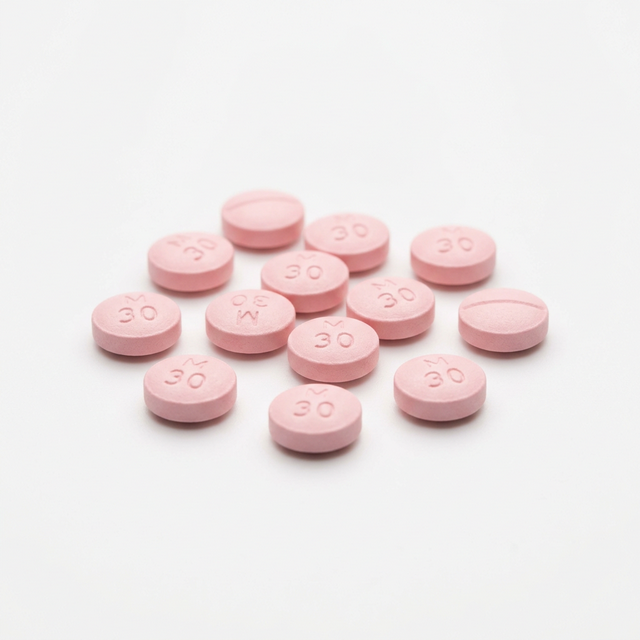
Methadone is a biological 'anchor' in the U.S. clinical landscape. Unlike typical opioids, it has a 'sticky' receptor bond:
- Longevity: It provides 24-36 hours of withdrawal prevention, allowing OUD patients to live normal lives.
- Pain Mechanism: It doesn't just block pain; it uses NMDA antagonism to dampen the nerves' ability to send 'distress' signals.
- Clinical Monitoring: Due to its heart risks, it is the only pain medication in the USA often requiring regular EKG monitoring.
It is almost exclusively managed by specialists or federally regulated clinics (OTPs).
Clinical Profile: Codeine
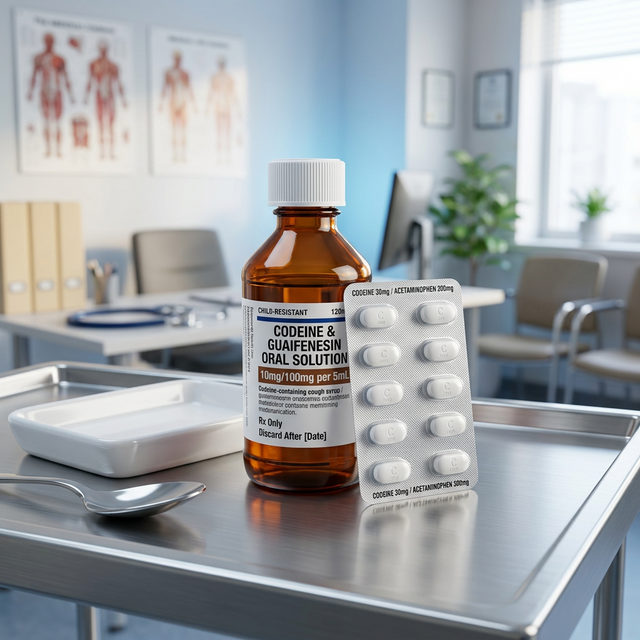
Codeine is often the first opioid a U.S. patient encounters. Historically valued for its mildness:
- Combination Pillar: In the U.S., it is most famous in 'Tylenol #3' (Codeine/Acetaminophen).
- Cough Suppression: It is the FDA standard for suppressing severe cough (antitussive).
- Safety Profile: Because it is a 'prodrug' (your liver must turn it into Morphine), it has a built-in 'ceiling' for some of its effects.
However, recent U.S. safety alerts have restricted its use in children due to 'ultra-rapid metabolism' risks.
Mechanism of Action: How They Work
How Methadone and Codeine interact with the American patient's biology:
- Methadone (The Heavy Lifter): A 'Full Mu-Opioid Agonist.' It binds directly and powerfully. It also acts on NMDA receptors, which are involved in 'wind-up' pain (where pain gets worse even without new injury). It is highly fat-soluble, meaning it builds up in the body's tissues.
- Codeine (The Transformation): By itself, Codeine does almost nothing for pain. The liver enzyme CYP2D6 must remove a chemical branch to turn Codeine into Morphine. If your liver doesn't have enough of this enzyme, Codeine will not work at all.
Receptor Profiles & Metabolism
NMDA Block
Methadone stops the brain from 'memorizing' pain signals.
Metabolic Filter
Codeine is inactive until the liver converts it to Morphine.
Duration Gap
Methadone lasts 4-6x longer than Codeine in the bloodstream.
Antitussive
Codeine specifically targets the brain's cough center.
FDA-Approved vs. Off-Label Uses
Oversight by the U.S. FDA and clinical practices:
- Methadone FDA: Severe chronic pain; Opioid addiction detoxification and maintenance.
- Codeine FDA: Mild-to-moderate pain; Cough suppression.
- Pediatric Alert: The FDA has issued a 'Black Box Warning' against Codeine use in children under 12 and for post-tonsillectomy pain in adolescents.
Potency and Clinical Strength
Understanding the MME (Morphine Milligram Equivalent) Scale:
- Codeine (0.15): One of the weakest opioids. 200mg of Codeine is roughly equal to 30mg of Morphine.
- Methadone (Variable): Can be up to 100x stronger than Codeine milligram-for-milligram.
- The Gap: 10mg of Methadone is roughly equivalent to 300mg-400mg of Codeine, which is near the maximum safe daily dose for Codeine.
Bioavailability & Metabolism
Liver processing and genetic variations in the USA:
- Methadone: Bioavailability is 80%+. It is processed by multiple paths (CYP3A4, 2B6), making it 'tough' but prone to drug-drug interactions.
- Codeine: Bioavailability is high, but pain relief depends entirely on the CYP2D6 enzyme. Approximately 10% of Caucasian Americans are 'poor metabolizers' and get no relief, while some others are 'ultra-rapid metabolizers' who face overdose risks from normal doses.
Half-Life & Duration of Action
The time-course of relief:
- Methadone: Half-life of 24-36 hours. Takes 5 days to reach stable blood levels. Overdose usually occurs on day 3-4 of a new dose.
- Codeine: Half-life of 3 hours. It is cleared rapidly. Pain relief lasts only 3-4 hours.
Clinical Efficacy and Indications
U.S. Clinical Applications:
- Post-surgical: Codeine (Tylenol #3) is common for minor procedures.
- Terminal Illness: Methadone is preferred for stable, around-the-clock coverage.
- Maintenance: Only Methadone is used for OUD; Codeine has no role in addiction maintenance in the USA.
Typical Dosage and Administration
Typical U.S. dosing guidelines:
- Codeine: 15mg to 60mg every 4-6 hours (Max 360mg/day).
- Methadone (Pain): Starts as low as 2.5mg twice daily.
- Methadone (OUD): Standard maintenance is often 80mg to 120mg once daily.
Side Effects and Adverse Reactions
Adverse reaction comparison for American patients:
- Nausea: Extremely common with Codeine; often the reason patients discontinue it.
- Sedation: Profound with Methadone; mild drowsiness with Codeine.
- Constipation: Significant with both; the #1 complaint for long-term Methadone users.
Comprehensive Side Effect Analysis
| Adverse Event | Methadone (Synthetic) | Codeine (Natural) |
|---|---|---|
| Dizziness | Moderate | High |
| Heart Arrhythmia | High Risk | None |
| Respiratory Depression | Extreme | Low |
| Nausea / Vomiting | Moderate | Very High |
| Itching (Pruritus) | Low | Moderate |
🔴 Methadone Risks
- Profound sedation
- Profuse sweating
- Severe constipation
- Swelling in ankles/feet
- Confusion in elderly
🔴 Codeine Risks
- Heavy nausea and vomiting
- Dizziness / Vertigo
- Mild itching
- Constipation
- Stomach cramps
⚠ Critical Safety Note
Serious adverse reactions require immediate medical attention. The following are life-threatening signs:
- Fatal respiratory arrest (Methadone accumulation)
- Torsades de Pointes (Fatal heart rhythm)
- Ultra-rapid Metabolism Overdose (Codeine)
- Anaphylaxis
- Severe hypotension
Safety, Addiction Risk, and Controlled Status
⚠ U.S. Regulation: HIGH (Methadone) to MODERATE (Codeine)
Regulatory and abuse profiles in the USA:
- Methadone: High physical dependence. Overdose risk is tied to the long half-life. It requires 'Methadone Clinic' protocols for addiction therapy.
- Codeine: Often the 'entry drug' for opioid misuse due to its presence in cough syrups and lower-tier pain pills. Withdrawal is milder than Methadone but still significant.
- Methadone: Report any palpitations or fainting immediately (Heart risk).
- Codeine: Report any signs of 'ultra-sleepiness' in children using cough syrup.
- Both: Never mix with alcohol, Benadryl, or sleep aids.
- Meds must be locked up; a small dose of Methadone can kill a non-tolerant toddler.
Pharmacy Cost & U.S. Healthcare Access
Pharmacy access and pricing:
- Codeine: Very cheap generic ($10-$15 for Tylenol #3).
- Methadone: Tablets are inexpensive, but outpatient liquid programs can cost $400+/month in the U.S. without insurance.
Clinical Decision Flow: Which Should You Choose?
U.S. Physician's decision criteria:
- Choose Codeine: For temporary moderate pain, severe cough, or if a patient is opioid-naive.
- Choose Methadone: For chronic debilitating pain, cancer-related pain, or if other opioids have failed.
U.S. Stepped Analgesic Protocol
Frequently Asked Questions
No. Codeine is a plant-based alkaloid from the poppy; Methadone is entirely manufactured in a laboratory (synthetic).
Codeine has a very low affinity for pain receptors until it is converted into Morphine by the liver.
Yes, in the USA it is one of the most effective FDA-approved cough suppressants at low doses.
Generally yes, as it is not typically combined with Acetaminophen, which is the primary cause of liver strain in combined pills.
Codeine is more likely to cause immediate itching because it triggers more Histamine release.