Methadone vs Dilaudid: Clinical Comparison, Potency & Side Effects

Methadone and Dilaudid (Hydromorphone) are two of the most potent weapons in the American analgesic arsenal. Both are Schedule II controlled substances reserved for pain that is severe enough to require an opioid when alternative treatments are inadequate. However, they occupy opposite ends of the pharmacokinetic spectrum.
- Methadone: A synthetic 'stabilizer' with a massive half-life, used primarily for constant chronic pain or addiction maintenance.
- Dilaudid: A semi-synthetic 'interceptor' known for its extreme potency and rapid onset, often used in U.S. emergency rooms and for breakthrough cancer pain.
While Dilaudid is often perceived as the 'stronger' drug due to its intense peak effects, Methadone's ability to accumulate in the body makes it equally dangerous if not managed by a specialist.

Dr. Kelsey Hopkins, MD
Dr. Hopkins practices rural family medicine in Southern Illinois, with a focus on community healthcare and chronic pain management.
Quick Reference Comparison
| Clinical Feature | Methadone | Dilaudid |
|---|---|---|
| U.S. Potency (MME) | 3.0 - 12.0 (High/Variable) | 4.0 (Very High) |
| Onset of Action | 30 - 60 Minutes (Slow Peak) | 15 - 30 Minutes (Very Fast) |
| Half-Life | 24 - 36 Hours (Accumulative) | 2 - 3 Hours (Short) |
| Primary Form | Liquid or 10mg Tablets | 2mg, 4mg, 8mg Tablets / IV |
| Key Risk | Cardiotoxicity (QT) / Delay | Rapid Respiratory Depression |
Clinical Profile: Methadone
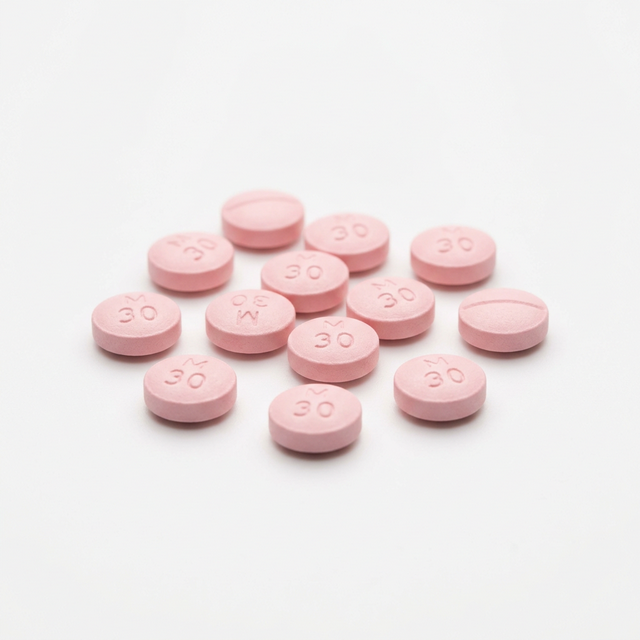
Methadone is the 'anchor' of stability in U.S. pain medicine. Its features include:
- Smooth Relief: A single dose provides steady levels for 24 hours, preventing the 'crash' typical of shorter opioids.
- Unique Mechanism: It blocks NMDA receptors, which helps prevent 'central sensitization' (where the brain stays in a state of pain permanently).
- Maintenance: It is the gold standard for Opioid Use Disorder (OUD) in the USA, preventing withdrawal without causing euphoria at stable doses.
Because it is highly fat-soluble, it takes 5-7 days for the blood level to fully stabilize after a dose change.
Clinical Profile: Dilaudid
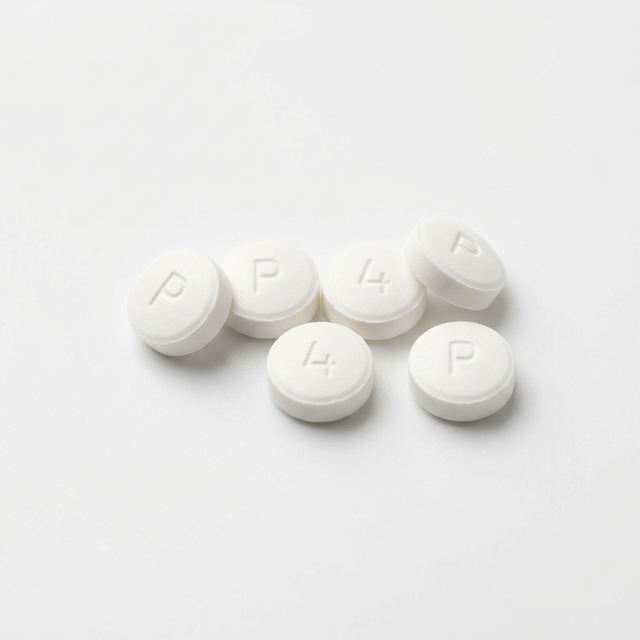
Dilaudid (Hydromorphone) is derived from Morphine but is significantly more powerful. In the U.S. medical system:
- Potency King: It is roughly 4 to 8 times stronger than Morphine milligram-for-milligram.
- Breakthrough Tool: Because it works almost instantly, it is commonly used for 'rescue dosing' in cancer patients.
- Hospital Standard: It is frequently used via IV in U.S. emergency rooms for kidney stones, severe fractures, or post-surgical recovery.
Its effects are intense but fade quickly, often requiring dosing every 3 to 4 hours.
Mechanism of Action: How They Work
How Methadone and Dilaudid interact with receptors in the American patient's CNS:
- Methadone (The Hybrid): Acts as a full Mu-Opioid agonist but also as an NMDA antagonist. This prevents nerves from becoming 'hypersensitive.' It stores itself in body fat and releases slowly.
- Dilaudid (The Pure Agonist): Has a very high affinity for the Mu-receptor, which is why it works even in patients where other opioids have failed. It is highly water-soluble, entering and leaving the brain and blood cycle rapidly.
Receptor Activity & Half-Life
NMDA Block
Methadone stops the brain from 'memorizing' pain signals.
Rapid Entry
Dilaudid crosses the blood-brain barrier faster than Morphine.
Accumulation
Methadone stays in the body 10x longer than Dilaudid.
Water Soluble
Dilaudid is cleared by the kidneys more predictably.
FDA-Approved vs. Off-Label Uses
U.S. FDA oversight and clinical practice:
- Methadone FDA: Moderate-to-severe chronic pain; Opioid detoxification and maintenance.
- Dilaudid FDA: Management of pain severe enough to require an opioid.
- Off-Label: Dilaudid is sometimes used in the U.S. for severe cough (antitussive) that has failed on codeine-based therapies.
Potency and Clinical Strength
Comparison on the MME (Morphine Milligram Equivalent) Scale:
- Dilaudid: Is consistently 4x stronger than Morphine. 2mg Dilaudid = 8mg Morphine.
- Methadone: Potency increases as the dose increases. At low doses, it's 3x-4x. At high doses (OUD clinics), it can be 12x or more.
- The Danger: Switching from Dilaudid to Methadone is a high-risk procedure in the U.S. because Methadone's accumulation can lead to a 'delayed' overdose.
Bioavailability & Metabolism
Liver and elimination pathways in the United States:
- Methadone: Bioavailability is high (80-95%). It uses multiple CYP450 enzymes, making it prone to drug-drug interactions.
- Dilaudid: Oral bioavailability is lower (30-40%) because the liver processes it quickly. It is mostly eliminated via 'glucuronidation,' which is generally safer for patients with moderate liver issues.
Half-Life & Duration of Action
Timing of relief for U.S. patients:
- Methadone: Half-life of 24-36 hours. Takes 5 days for the full effect of a new dose to be felt.
- Dilaudid: Half-life of 2.3 hours. Relief lasts only 3-4 hours. This is why it is famous for causing a 'rollercoaster' effect in chronic pain patients.
Clinical Efficacy and Indications
Effectiveness across clinical populations:
- Cancer/Breakthrough: Dilaudid is the preferred U.S. choice for 'rescue' dosing.
- Chronic Nerve Pain: Methadone is significantly more effective due to its dual action.
- OUD Maintenance: Only Methadone is FDA-approved for maintenance; Dilaudid has no role in addiction clinics in the USA.
Typical Dosage and Administration
Typical U.S. dosing guidelines:
- Dilaudid: 2mg to 4mg every 4-6 hours as needed.
- Methadone: Starts low (e.g., 2.5mg twice daily) even for patients on high doses of other narcotics.
- Warning: Taking Dilaudid more frequently than prescribed can lead to rapid respiratory failure because it hits its peak effect so quickly.
Side Effects and Adverse Reactions
Adverse reaction comparison in American clinics:
- Mental Fog: Heavy with Methadone; intense but short-lived with Dilaudid.
- Heart Safety: Only Methadone carries a risk for dangerous QT interval prolongation.
- Itching/Rash: More common with Dilaudid than Methadone, though less than Morphine.
Comprehensive Side Effect Analysis
| Adverse Event | Methadone (Long-Acting) | Dilaudid (Short-Acting) |
|---|---|---|
| Drowsiness / Sedation | Extreme | Severe (Initial) |
| Heart Rhythm Risk | High | None |
| Respiratory Depression | Extreme (Delay) | Extreme (Rapid) |
| Nausea / Vomiting | High | Very High |
| Sweating | Profuse | Moderate |
🔴 Methadone Risks
- Profound daytime sleepiness
- Drenching night sweats
- Severe constipation
- Low testosterone in men
- Swelling in ankles/feet
🔴 Dilaudid Risks
- Initial dizziness
- Nausea and vomiting
- Dry mouth
- Euphoria followed by fatigue
- Constipation
⚠ Critical Safety Note
Serious adverse reactions require immediate medical attention. The following are life-threatening signs:
- Lethal respiratory arrest
- Torsades de Pointes (Methadone heart rhythm)
- Severe hypotension
- Serotonin Syndrome
- Seizures (Rare, higher doses)
Safety, Addiction Risk, and Controlled Status
⚠ U.S. Regulation: EXTREME (USA SCHEDULE II)
Safety regulations and risks in the United States:
- The Accumulation Warning: Methadone builds up over days. Dilaudid hits hard in minutes. Both can cause death if the patient takes more than prescribed to 'catch' a pain flare.
- The Heart Rule: Many U.S. pain clinics require a baseline EKG for Methadone but not for Dilaudid.
- Misuse Potential: Dilaudid's rapid peak makes it highly prone to illicit diversion and injection misuse in the USA.
- Dilaudid: Never take more than prescribed for 'breakthrough'—wait for the peak to pass.
- Methadone: Report any palpitations or 'racing heart' immediately.
- Both: Absolutely no alcohol or 'Benzos' (Xanax, Klonopin).
- Store in a heavy-duty lock box; a single Dilaudid pill can kill a child.
Pharmacy Cost & U.S. Healthcare Access
Pharmacy access and pricing:
- Dilaudid (Generic): Relatively cheap ($15-$40 for a month).
- Methadone (Generic): Very inexpensive tablets ($15-$30), though OUD clinic fees are higher.
Clinical Decision Flow: Which Should You Choose?
Clinical decision tree for U.S. patients:
- Choose Dilaudid: For severe acute injuries, breakthrough 'break-out' pain, or if the patient is allergic to Morphine.
- Choose Methadone: For stable, 24-hour chronic pain, nerve pain, or if cost-effectiveness is a major factor.
U.S. Potent Opioid Selection
Frequently Asked Questions
Milligram for milligram, Dilaudid is stronger. However, Methadone's accumulation makes it equally potent in the long term.
Because it's often used in the ER to provide faster and stronger relief than standard Morphine.
No, but its 'dry mouth' side effect can lead to decay if oral care is neglected.
It is semi-synthetic, meaning it's derived from a natural poppy chemical but modified in a lab. Methadone is 100% synthetic.
Methadone withdrawal lasts much longer (weeks) because it leaves the body so slowly.