Methadone vs Gabapentin: Clinical Comparison, Potency & Side Effects
Methadone and Gabapentin are two of the most effective tools in modern American medicine for treating complex chronic pain. However, they work through entirely different biological 'engines.' While Methadone is a heavyweight narcotic, Gabapentin is an anticonvulsant that has been repurposed to calm overexcited nerves.
- Methadone: A potent Schedule II synthetic opioid that blocks pain signals in the brain and spinal cord.
- Gabapentin: A non-opioid (often unscheduled federally) medication that stabilizes the electrical firing of damaged nerves.
In the United States, these two are often used together in 'multimodal' therapy, but they carry a severe interaction warning that every patient must understand before starting treatment.

Dr. Kelsey Hopkins, MD
Dr. Hopkins practices rural family medicine in Southern Illinois, with a focus on community healthcare and chronic pain management.
Quick Reference Comparison
| Clinical Feature | Methadone | Gabapentin |
|---|---|---|
| Drug Class | Full Synthetic Opioid Agonist | GABA-Analogue (Anticonvulsant) |
| DEA Schedule | Schedule II (Highly Restricted) | Unscheduled Federal / Schedule V (Some States) |
| Primary Target | Mu-Opioid & NMDA Receptors | Voltage-Gated Calcium Channels |
| U.S. Potency (MME) | 3.0 - 12.0 (High) | N/A (Non-Opioid) |
| Key Usage | Severe Chronic Pain / OUD | Diabetic Nerve Pain / Post-Herpetic Neuralgia |
Clinical Profile: Methadone
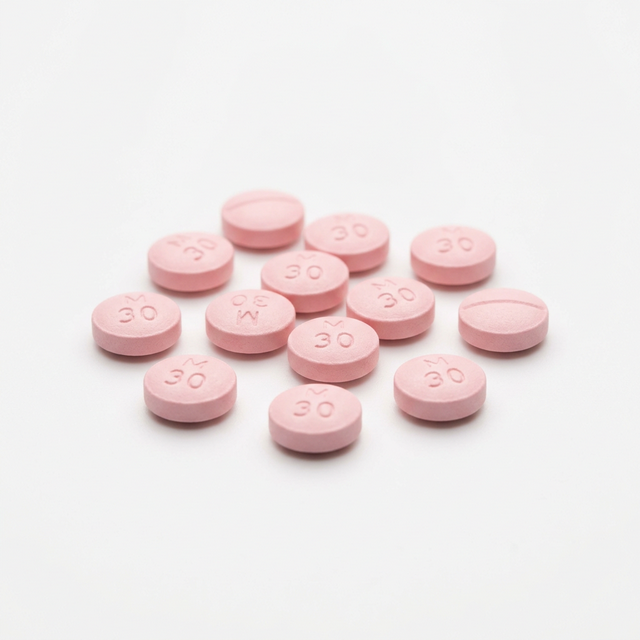
Methadone is the 'anchor' for patients who have reached the highest levels of the U.S. analgesic ladder. Its clinical profile includes:
- Longevity: One of the longest-acting medications in existence, staying in the system for up to 3 days from a single dose.
- NMDA Action: Unlike most opioids, it blocks NMDA receptors, which helps 'factory reset' over-sensitive pain pathways.
- Safety Profile: Because it builds up over time, it carries an extreme risk of 'delayed' respiratory depression.
In the U.S., it is strictly regulated and often requires a doctor with a specialized DEA 'X-Waiver' or clinic affiliation to prescribe for maintenance.
Clinical Profile: Gabapentin

Gabapentin (Neurontin) was originally created to treat epilepsy but has become a staple for nerve pain in the USA. Key attributes:
- Nerve Stabilization: It acts like a 'volume knob' for the nervous system, turning down the intensity of electric or burning sensations.
- Non-Opioid Status: It does not cause traditional narcotic dependence, though it can still cause 'withdrawal' if stopped suddenly.
- First-Line Utility: Often the first drug prescribed for sciatica, shingles-related pain, or fibromyalgia in American clinics.
It is generally considered safer than opioids, but it causes significant mental clouding and balance issues in many patients.
Mechanism of Action: How They Work
How Methadone and Gabapentin stabilize U.S. patients at the molecular level:
- Methadone (The Interceptor): Binds to Mu-receptors to mimic natural endorphins. It also prevents the chemical glutamate from exciting the brain's NMDA receptors. It is highly fat-soluble and processed by various liver enzymes.
- Gabapentin (The Damper): Despite its name, it doesn't actually bind to GABA receptors. Instead, it blocks calcium channels in the nerves. This prevents the nerves from releasing 'pain messengers' into the spinal cord. It is cleared entirely by the kidneys and does not use liver enzymes.
Receptor Targets & Organ Load
NMDA Block
Methadone's dual action is superior for chronic refractory pain.
Calcium Block
Gabapentin prevents 'over-firing' of damaged nerve segments.
Kidney Clearance
Gabapentin bypasses the liver entirely, reducing drug-drug risks.
Liver Path
Methadone is prone to many interactions due to liver processing.
FDA-Approved vs. Off-Label Uses
Oversight by the U.S. Food and Drug Administration (FDA):
- Methadone FDA: Severe chronic pain; Opioid detoxification and maintenance.
- Gabapentin FDA: Post-herpetic neuralgia (Shingles pain); Adjunctive therapy for seizures.
- Common Off-Label: In the U.S., Gabapentin is used off-label for almost all nerve pain, anxiety, hot flashes, and restless leg syndrome.
Potency and Clinical Strength
Understanding the U.S. Potency Difference:
- Methadone: One of the most potent analgesics. 10mg can equal up to 120mg of Morphine in long-term users.
- Gabapentin: Has zero opioid potency. It is measured in milligrams per day (often 600mg to 3,600mg).
- The Combo Risk: When taken together, Gabapentin 'potentiates' (amplifies) the breathing-slowing effects of Methadone, even though Gabapentin isn't an opioid itself.
Bioavailability & Metabolism
Processing and blood levels in American patients:
- Gabapentin: Bioavailability *decreases* as the dose goes up. Taking 900mg at once is less efficient than taking 300mg three times a day.
- Methadone: Bioavailability is extremely high (up to 95%). Because it relies on multiple liver enzymes, it has one of the longest list of drug-drug interactions in U.S. medicine.
Half-Life & Duration of Action
The time-course of relief:
- Methadone: Half-life of 24-36 hours; lasts a long time and builds up over days.
- Gabapentin: Half-life of 5-7 hours; typically must be taken three times a day to maintain stability in the nerves.
Clinical Efficacy and Indications
U.S. clinical effectiveness for pain types:
- Diabetic Neuropathy: Gabapentin is usually the first choice.
- Severe Chronic Cancer: Methadone is preferred for its potency and baseline stability.
- Sciatica: Both can be effective, but physicians usually start with Gabapentin to avoid opioid risks.
Typical Dosage and Administration
Typical U.S. dosing regimens:
- Gabapentin: Typically 300mg to 600mg three times daily (Max 3,600mg/day).
- Methadone: Pain doses are often 5mg-10mg every 8-12 hours.
- Combined Regimen: When used together, U.S. doctors will often reduce the Methadone dose significantly due to the 'breathing suppression' synergy.
Side Effects and Adverse Reactions
Comparison of adverse reactions for American patients:
- Mental Fog: Both are high-risk; combined, they can cause severe confusion or 'brain fog.'
- Swelling (Edema): Both can cause fluid buildup in the legs and ankles.
- Coordination: Gabapentin causes significant dizziness and a risk of falling, especially in elderly U.S. patients.
Comprehensive Side Effect Analysis
| Adverse Event | Methadone (Opioid) | Gabapentin (Stabilizer) |
|---|---|---|
| Dizziness / Falls | Moderate | Extremely High |
| Heart Rhythm Risk | Significant | None |
| Weight Gain | Moderate | Significant |
| Constipation | Very High | Low |
| Drowsiness | Extreme | High |
🔴 Methadone Risks
- Profound daytime sleepiness
- Severe constipation
- Profuse night sweats
- Pinpoint pupils
- Nausea
🔴 Gabapentin Risks
- Mental clouding (Brain fog)
- Dizziness and loss of balance
- Swelling in the feet and legs
- Tremors
- Blurry vision
⚠ Critical Safety Note
Serious adverse reactions require immediate medical attention. The following are life-threatening signs:
- Lethal respiratory arrest (Interaction Risk)
- Suicidal thoughts (U.S. Black Box for Antiepileptics)
- Torsades de Pointes (Methadone heart rhythm)
- Severe withdrawal syndrome
- Anaphylaxis
Safety, Addiction Risk, and Controlled Status
⚠ U.S. Regulation: CRITICAL (Methadone) to LOW/MOD (Gabapentin)
U.S. Safety protocols and addiction profile:
- The Respiratory Synergy: Taking Gabapentin with an opioid like Methadone increases the risk of fatal breathing arrest by up to 50%, according to recent U.S. clinical studies.
- Gabapentin Abuse: While traditionally not addictive, certain U.S. states have seen a rise in illicit Gabapentin use, particularly to enhance the 'high' of narcotics.
- The Withdrawal Rule: Both medications must be tapered slowly. Gabapentin withdrawal can trigger seizures if stopped cold-turkey.
- Absolutely no alcohol when taking either medication.
- Report any new suicidal thoughts or mood swings immediately if on Gabapentin.
- Never double up on a missed dose of Methadone.
- Gabapentin: Take with food if stomach upset occurs.
Pharmacy Cost & U.S. Healthcare Access
Pharmacy access and pricing in the USA:
- Gabapentin: Extremely inexpensive generic ($10-$20 monthly for high doses).
- Methadone: Tablets are also very cheap, but clinic maintenance fees apply for OUD treatment.
Clinical Decision Flow: Which Should You Choose?
Clinical decision tree for American patients:
- Choose Gabapentin: If the pain is purely 'electric,' burning, or sharp (nerve-based) and has no inflammatory component.
- Choose Methadone: If nerve pain is severe AND constant, or if the patient has failed on non-opioid medications.
U.S. Multimodal Pain Strategy
Frequently Asked Questions
No. It is an anticonvulsant. However, some U.S. states now track it like a controlled substance due to misuse trends.
One targets the brain's reception of pain (Methadone), while the other targets the nerves' transmission of pain (Gabapentin).
No, Methadone does not typically affect the seizure threshold, whereas stopping Gabapentin suddenly can trigger them.
Gabapentin is generally more associated with weight gain and fluid retention in U.S. patients.
Usually not on any standard workplace 5-panel or 10-panel drug screens.