Methadone vs Percocet: Clinical Comparison, Potency & Side Effects
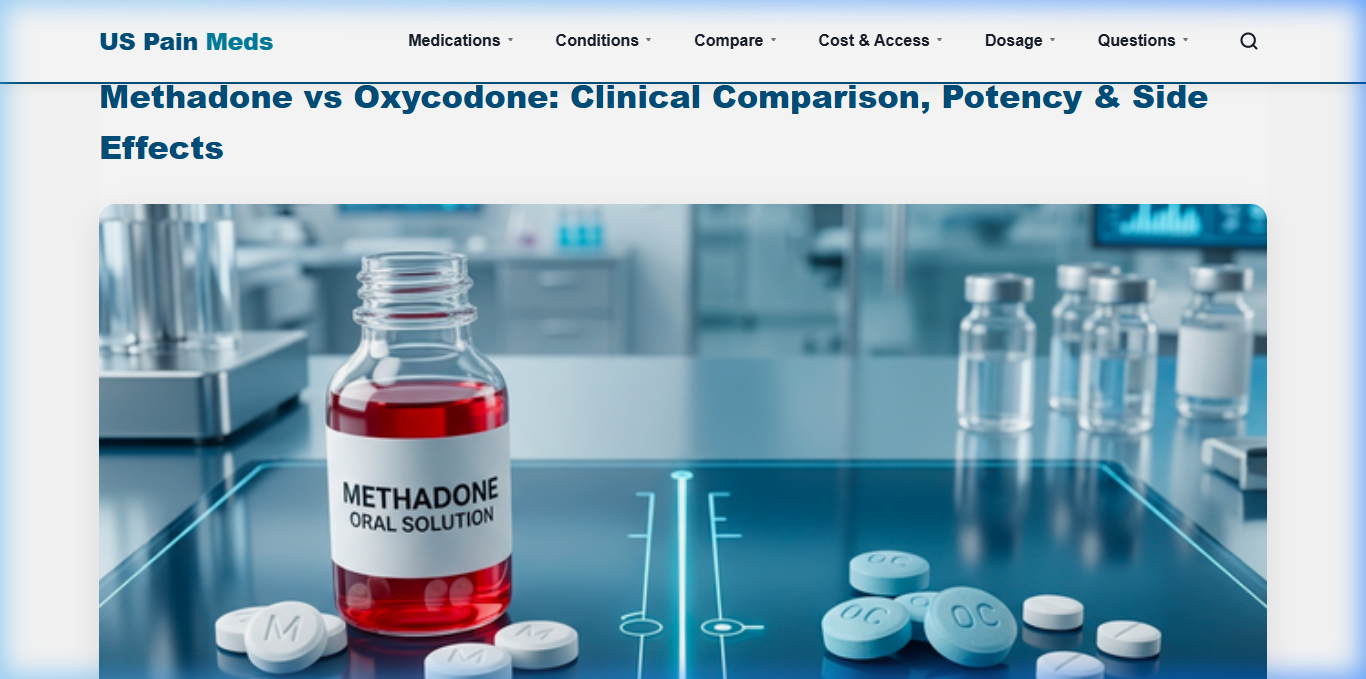
Methadone and Percocet are two of the most recognizable names in U.S. pain management, yet they serve almost opposite clinical functions. While both utilize powerful Schedule II opioids to block pain, the way they are formulated and how they behave in the body is vastly different.
- Methadone: A pure synthetic opioid designed for 24-hour stability and the management of constant, severe pain.
- Percocet: A combination product containing Oxycodone and Acetaminophen (Tylenol), used primarily for rapid relief of sharp or acute pain.
In the American healthcare system, choosing between these two involves balancing the risk of liver toxicity (from Percocet's Tylenol) against the risk of building up dangerous levels of medication (from Methadone's long half-life).

Dr. Kelsey Hopkins, MD
Dr. Hopkins practices rural family medicine in Southern Illinois, with a focus on community healthcare and chronic pain management.
Quick Reference Comparison
| Clinical Feature | Methadone | Percocet |
|---|---|---|
| Active Ingredients | Methadone (Pure) | Oxycodone + Acetaminophen |
| U.S. Potency (MME) | 3.0 - 12.0 (High/Variable) | 1.5 (Standard High) |
| Primary Form | Liquid or 10mg Tablets | 5/325mg or 10/325mg Tablets |
| Onset of Action | 30 - 60 Minutes (Slow) | 15 - 30 Minutes (Fast) |
| Half-Life | 24-36 Hours (Accumulative) | 3.5 Hours |
Clinical Profile: Methadone
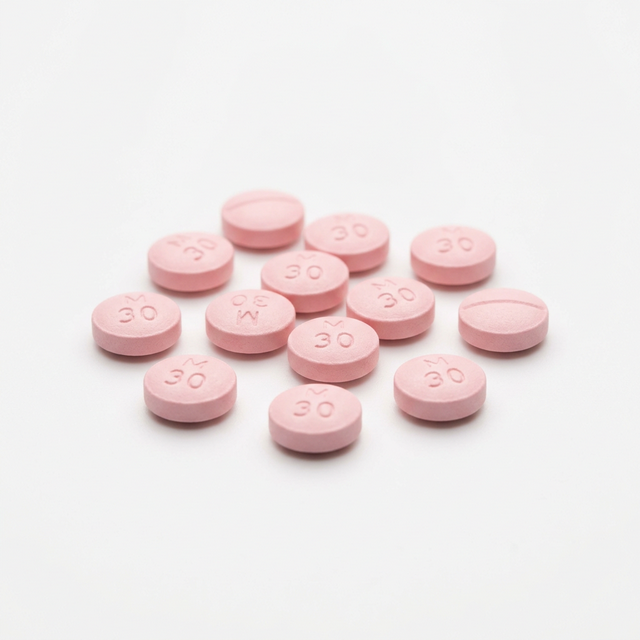
Methadone is the 'anchor' of the U.S. analgesic ladder. Key clinical aspects include:
- Smooth Relief: Unlike shorter opioids, Methadone creates a stable 'plateau' of pain relief, preventing the emotional and physical 'crash' between doses.
- Twin Action: It blocks traditional pain receptors while also dampening NMDA receptors, which are responsible for electric-like nerve pain.
- Liver Safety: Since it contains no Tylenol, it is often preferred for patients who already have liver stress from other conditions.
Because it is highly fat-soluble, Methadone stays in the body's tissues like a battery, releasing slowly over several days.
Clinical Profile: Percocet

Percocet is a household name in American surgical recovery. In the U.S. medical system:
- The Duo Power: The Oxycodone blocks pain in the brain, while the Acetaminophen (Tylenol) works at the site of the injury to reduce inflammation and local pain signals.
- Acute Expertise: It is the 'gold standard' for early-stage recovery from dental work, C-sections, or fractures.
- Breakthrough Tool: It is commonly used as a 'rescue' medication for patients who take a long-acting pill like OxyContin or Methadone for their baseline pain.
The Tylenol component is both a benefit and a risk, as it limits the total amount of medicine a patient can safely take in a day.
Mechanism of Action: How They Work
The molecular differences between Methadone and the ingredients in Percocet:
- Methadone (The Multi-Tasker): Bonds tightly to Mu-Opioid receptors and acts as an NMDA antagonist. This double-block is what makes it so effective for patients who have 'failed' on other drugs. It is cleared by multiple liver enzymes (3A4, 2B6).
- Oxycodone (The Interceptor): A high-affinity agonist that enters the brain rapidly. It does not have NMDA activity. It is processed by CYP3A4 and CYP2D6 enzymes.
- Acetaminophen: Works primarily by inhibiting COX enzymes in the central nervous system, which reduces the production of prostaglandins (chemicals that signal pain and fever).
Receptor Targets & Chemical Path
NMDA Block
Methadone's secret weapon for chronic nerve pain.
Rapid Entry
Percocet's Oxycodone hits the brain faster for sharp relief.
Tylenol Buffer
Percocet provides local pain reduction at the injury site.
Accumulation
Methadone builds up in fat cells, lasting 10x longer than Percocet.
FDA-Approved vs. Off-Label Uses
FDA oversight and clinical practice in the United States:
- Methadone approved for: Moderate-to-severe chronic pain and opioid detoxification/maintenance clinics.
- Percocet approved for: Management of moderate-to-moderately-severe pain.
- Off-Label Percocet: Sometimes used in the U.S. to manage short-term severe pain associated with procedures like bone marrow biopsies.
Potency and Clinical Strength
Understanding the MME (Morphine Milligram Equivalent) Scale:
- Oxycodone (in Percocet): Is 1.5x stronger than Morphine. 10mg Oxy = 15mg Morphine.
- Methadone (Variable): At 20mg a day, it's 4x Morphine. At 100mg a day, it acts like it's 12x stronger.
- The Danger: Switching from Percocet to Methadone is not a simple milligram-for-milligram trade. Methadone is almost always significantly more powerful per unit.
Bioavailability & Metabolism
Liver and blood levels in the USA:
- Percocet (Oxycodone): Bioavailability is 60-87%. The Tylenol component is processed heavily by the liver, which can lead to toxicity if mixed with alcohol.
- Methadone: Bioavailability is very high (up to 95%). Because it uses multiple pathways (CYP3A4, 2B6, 2C19), it has one of the longest lists of drug-drug interactions in U.S. clinical databases.
Half-Life & Duration of Action
The time-course of relief for U.S. patients:
- Methadone: Half-life of 24-36 hours. Takes 5 days to reach a steady level in the blood. Overdose usually occurs on day 3 or 4 of a new dose.
- Percocet: Half-life of 3.5 hours. It is cleared quickly, which is why it must be taken every 4-6 hours to maintain relief.
Clinical Efficacy and Indications
Effectiveness across clinical populations:
- Severe Acute Pain: Percocet is the preferred U.S. standard for immediate post-surgical care.
- Chronic Nerve Pain: Methadone is far superior due to its NMDA blocking activity.
- Maintenance: Only Methadone is FDA-approved for OUD clinics; Percocet has no role in addiction maintenance.
Typical Dosage and Administration
Typical U.S. dosing guidelines:
- Percocet: Common doses are 5/325mg or 10/325mg every 4-6 hours as needed.
- Methadone: Often starts as low as 2.5mg three times daily, regardless of the patient's previous Percocet dose.
- Tylenol Ceiling: Patients taking Percocet must not exceed 4,000mg of Acetaminophen per day (Approx 12 pills of Percocet 5/325).
Side Effects and Adverse Reactions
Comparison of adverse reactions in American clinics:
- Mental Fog: Profound with Methadone; significant but short-lived with Percocet.
- Liver Strain: Only a risk for Percocet users due to its Acetaminophen content.
- Heart Safety: Only Methadone typically carries a risk for dangerous QT interval prolongation.
Comprehensive Side Effect Analysis
| Adverse Event | Methadone (Schedule II) | Percocet (Schedule II) |
|---|---|---|
| Dizziness | Moderate | High |
| Heart Arrhythmia | High Risk | None |
| Respiratory Depression | Extreme (Delay) | Extreme (Rapid) |
| Itching (Pruritus) | Low | Moderate |
| Liver Damage Risk | None | Significant (at high doses) |
🔴 Methadone Risks
- Profound drowsiness/sedation
- Drenching night sweats
- Severe constipation
- Low testosterone in men
- Ankle swelling (Edema)
🔴 Percocet Risks
- Nausea and vomiting
- Itching of the skin
- Dry mouth
- Constipation
- Euphoria followed by fatigue
⚠ Critical Safety Note
Serious adverse reactions require immediate medical attention. The following are life-threatening signs:
- Fatal respiratory arrest
- Torsades de Pointes (Methadone heart rhythm)
- Acetaminophen-Induced Liver Failure (Percocet)
- Severe hypotension
- Anaphylaxis
Safety, Addiction Risk, and Controlled Status
⚠ U.S. Regulation: EXTREME (USA SCHEDULE II)
Safety regulations and risks in the United States:
- The Hidden Tylenol: Percocet users must never take other OTC pills (like NyQuil or Tylenol PM) concurrently without checking labels.
- The Accumulation Warning: Methadone can take 5 or 6 days to show its full danger, meaning an overdose could happen a week after a dose increase.
- DEA Standing: Both are high-risk narcotics with severe legal penalties for unauthorized distribution in the USA.
- Percocet: Limit total Acetaminophen intake to < 4,000mg per day.
- Methadone: Requires periodic EKG tests to monitor heart health.
- Both: Absolutely zero alcohol or Benzodiazepines (Xanax, Valium).
- Lock your meds; child ingestion of Methadone liquid is almost always fatal.
Pharmacy Cost & U.S. Healthcare Access
Pharmacy access and pricing:
- Percocet (Generic): Relatively cheap ($15-$35 for generic Oxy/APAP).
- Methadone (Generic): Very inexpensive tablets ($15-$30), though OUD clinics have visit fees.
- Insurance: Both are usually on the 'Preferred' tier of U.S. formularies.
Clinical Decision Flow: Which Should You Choose?
U.S. clinical decision matrix:
- Choose Percocet: For short-term acute pain, flares, or early-surgical recovery.
- Choose Methadone: For constant 24-hour chronic pain, nerve pain, or if the liver cannot handle Tylenol.
U.S. Clinical Selection Protocol
Frequently Asked Questions
Milligram for milligram, Methadone is typically stronger, especially at higher doses.
NO. Percocet already contains Tylenol (Acetaminophen). Adding more can cause fatal liver damage.
Methadone's long half-life prevents withdrawal without creating the 'spike and crash' of Percocet.
Yes, as an opioid. Methadone requires a separate, specific test.
Percocet (Oxycodone) typically causes significantly more itching than Methadone.