The Epidemic of Spinal Pain in America
Back pain will affect 80% of Americans at some point in their lives. In the U.S. healthcare system, the approach to back pain has evolved from 'Strict Bed Rest' to 'Active Recovery.' Modern medication protocols are designed not to 'mask' the pain so you can lie still, but to 'quiet' the pain so you can engage in the movement and physical therapy required for long-term healing.
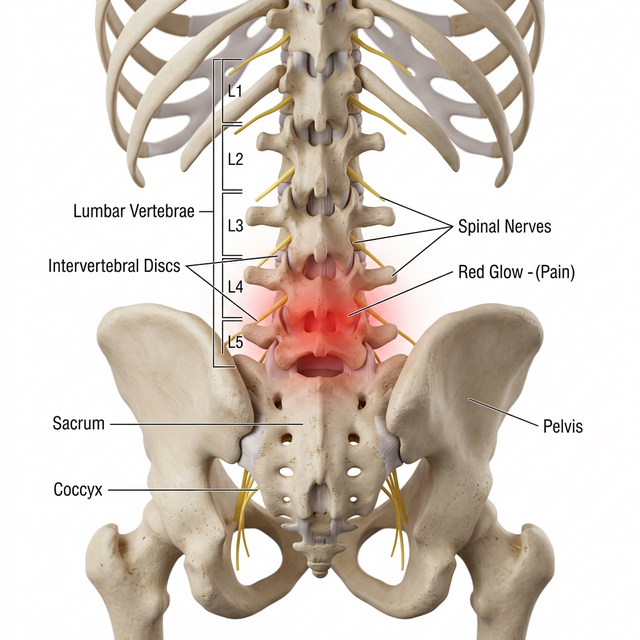
Most U.S. back pain is 'non-specific,' meaning it involves a combination of muscle tension, disc pressure, and neural irritation.
Acute Flare Management: The 'Three-Legged Stool'
When a U.S. patient 'throws out' their back, clinical protocols usually combine three types of medications to address the three primary drivers of the pain flare.
| Medication Class | Clinical Role | Common U.S. Examples |
|---|---|---|
| NSAIDs | Reduce chemical inflammation at the injury site. | Advil (Ibuprofen), Aleve (Naproxen) |
| Antispasmodics | Break the 'Spasm-Pain-Spasm' cycle in muscles. | Flexeril (Cyclobenzaprine) |
| Analgesics | Safe baseline pain control without organ stress. | Tylenol (Acetaminophen) |
| Corticosteroids | Rapid reduction of severe nerve-root redness. | Medrol Dosepak, Prednisone |
Chronic Back Pain: Beyond the Pill
For pain lasting more than 12 weeks, the focus in the United States shifts away from acute relaxants. American physicians frequently use 'Adjuvant' medications like Gabapentin or low-dose SNRIs (like Duloxetine). These help manage the 'Central Sensitization' that occurs when back pain becomes a chronic neurological pattern. Additionally, high-quality U.S. clinical data shows that core-strengthening (Pilates or specific PT) is more effective than any single medication for prevents future back incidents.
Interventional and Surgical Thresholds
If medications and PT fail after 6-12 weeks, U.S. specialists may suggest an MRI to evaluate for 'Surgical' pathology. However, most American patients can avoid the operating room through Targeted Interventions. An Epidural Steroid Injection (ESI) can place a precise dose of anti-inflammatory medication directly onto a compressed nerve root, providing a 'Window of Relief' that allows the patient to return to the exercises required for permanent spinal health.
Frequently Asked Questions (Back Pain Meds)
What is the #1 medicine for Back Pain?
In the U.S., first-line treatment for acute back pain is typically an NSAID like Naproxen or Ibuprofen, combined with 'relative rest' and gentle movement.
Do muscle relaxants fix a disc?
No. Muscle relaxants address the 'protective guarding' (spasms) that occur around a spinal injury, but they don't heal the underlying disc or nerve itself.
Is Tylenol enough for a 'thrown out' back?
Acetaminophen helps with the pain signal but not the inflammation. U.S. doctors often recommend combining it with an NSAID for a 'double-threat' approach to severe spasms.
Are Lidocaine patches good for back pain?
Yes. They are excellent for 'muscular' back pain. In the U.S., they provide localized relief without the stomach risks of oral pills.
Should I take opioids for chronic back pain?
Current U.S. clinical guidelines (CDC) strongly discourage opioids for chronic low back pain, as long-term studies show they are no more effective than non-opioids but carry much higher risks.
What is an Epidural Steroid Injection (ESI)?
An interventional procedure in the U.S. where steroids are injected directly into the spinal canal to reduce nerve root swelling from a herniated disc.
Does 'Postural Correction' matter?
Absolutely. In the United States, physical therapy for back pain focuses on 'Core Stability' to provide a natural 'brace' for the spine, reducing the load on the discs.
Can I use CBD for my back?
Many U.S. patients use CBD topicals or oils. While research is early, it may help reduce the systemic inflammation and muscle tension associated with chronic back issues.
When is back pain a surgical emergency?
If you have 'Cauda Equina' symptoms: sudden loss of bowel/bladder control, or 'saddle anesthesia' (numbness in the groin). This requires immediate U.S. emergency care.
Is sitting the worst thing for back pain?
Yes. In the U.S., 'Secondary Posture' (slumping) increases lumbar disc pressure. Specialists recommend standing every 30 minutes to reset the spinal load.
Clinical References
- North American Spine Society (NASS). (2025). Evidence-Based Clinical Guidelines.
- The Mayo Clinic. (2024). Low Back Pain Treatment Options.
- The Lancet. (2026). Effectiveness of Conservative vs. Surgical Back Care.