Dilaudid vs Gabapentin: Clinical Comparison, Potency & Side Effects

Dilaudid (Hydromorphone) and Gabapentin (Neurontin) are both frequently prescribed in American pain clinics to manage severe discomfort, but they belong to entirely different pharmaceutical families. While Dilaudid is a high-potency narcotic that blunts the brain's perception of pain, Gabapentin is a non-narcotic stabilizer that targets the electrical signals of the nerves themselves.
- Dilaudid: A 'Schedule II' semi-synthetic opioid known for its extreme potency and risk of addiction.
- Gabapentin: A 'non-controlled' (in most U.S. states) anticonvulsant primarily used for neuropathic (nerve) pain.
U.S. doctors often face a choice: do we mask the pain with a powerful opioid like Dilaudid, or do we try to calm the nervous system internally with Gabapentin? The decision significantly impacts the patient's long-term safety and quality of life.

Dr. Kelsey Hopkins, MD
Dr. Hopkins practices rural family medicine in Southern Illinois, with a focus on community healthcare and chronic pain management.
Quick Reference Comparison
| Clinical Feature | Dilaudid | Gabapentin |
|---|---|---|
| U.S. Potency (MME) | 4.0 (Ultra-High) | 0.0 (Non-Opioid) |
| DEA Schedule | Schedule II | Unscheduled (Most States) |
| Mechanism | Mu-Opioid Receptor Agonist | Calcium Channel Ligand |
| Long-Term Risk | High (Addiction/Overdose) | Moderate (Withdrawal/Drowsiness) |
| Best For | Surgical / Acute Trauma | Nerve Pain / Neuropathy |
Clinical Profile: Dilaudid
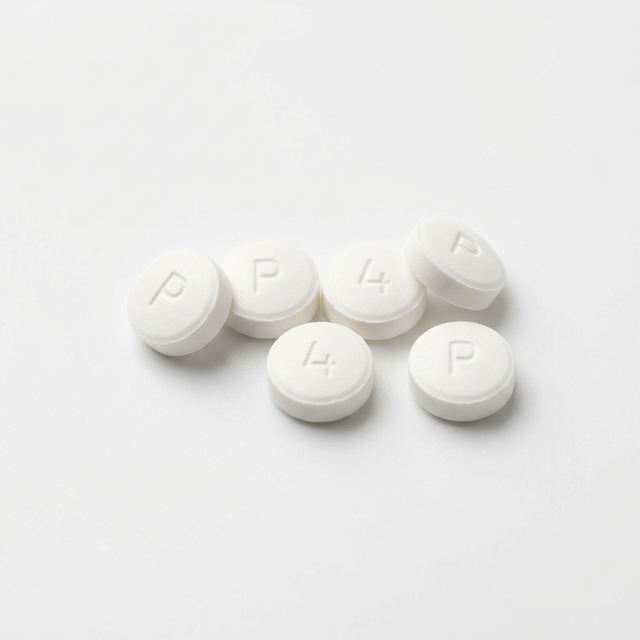
Dilaudid (Hydromorphone) is one of the most powerful oral pain medications in the USA:
- Intensity: It is 4 to 8 times stronger than Morphine. Because it is so concentrated, it can tackle pain that almost no other pill can touch.
- Speed: It is highly water-soluble, allowing it to cross the blood-brain barrier very quickly for a rapid peak effect.
- Narrow Use: In the U.S., it is typically reserved for short-term surgical recovery or cancer pain flares.
Because it is a 'Pure Mu-Opioid,' it is highly effective globally for all types of severe pain but carries the highest tier of U.S. regulatory oversight.
Clinical Profile: Gabapentin

Gabapentin is a 'mainstay' of American chronic pain management. Its profile includes:
- Nerve Specialist: It specifically targets 'burning,' 'shocking,' or 'tingling' pain associated with diabetes, shingles, or back injuries.
- Non-Intoxicating: Unlike Dilaudid, it does not typically cause the 'euphoria' or 'high' that leads to narcotic addiction in the USA.
- The Accumulation Effect: It must be taken regularly for several weeks before the patient feels the full pain-killing effect.
In the U.S. healthcare system, it is considered a safer alternative to opioids for patients who need long-term daily management.
Mechanism of Action: How They Work
The difference in how these two drugs interact with the U.S. patient's body is profound:
- Dilaudid (The Dam): It acts like a dam, blocking the pain receptors in the spinal cord and brain so the signal never 'registers.' It also changes the emotional response to pain, making it 'bother' the patient less.
- Gabapentin (The Governor): It doesn't block pain; it calms it. It binds to 'Alpha-2-Delta' calcium channels in the nerves. This prevents the nerves from 'misfiring' or sending too many electrical pain signals to the brain. It is technically more like a volume knob that turns down the noise of the nervous system.
Receptor Blockage vs Nerve Stabilization
Direct Block
Dilaudid 'switches off' pain signals in the CNS.
Signal Governor
Gabapentin reduces the 'electricity' of overactive nerves.
Peak Speed
Dilaudid peaks in 1 hour; Gabapentin takes 3 hours.
Schedule Status
Dilaudid is Schedule II; Gabapentin is unscheduled in most U.S. states.
FDA-Approved vs. Off-Label Uses
Oversight by the U.S. FDA and clinical usage:
- Dilaudid FDA: Reserved for management of pain severe enough to require an opioid.
- Gabapentin FDA: Approved for Post-Herpetic Neuralgia (nerve pain after Shingles) and as an Adjunctive therapy for seizures.
- Popular Off-Label Use: In the U.S., Gabapentin is prescribed 'off-label' for almost all types of nerve pain, including Sciatica, Diabetic Neuropathy, and Fibromyalgia.
Potency and Clinical Strength
Understanding the Scale of Relief:
- Potency Comparison: There is no 'MME' (Morphine Milligram Equivalent) for Gabapentin because it isn't an opioid. You can't compare them milligram-for-milligram.
- Efficacy: For a broken bone, Dilaudid is vastly superior. For 'burning' feet from Diabetes, Gabapentin is often more effective than Dilaudid in the long term.
- The Strategy: U.S. pain specialists often use *both* together to hit pain from two different biological directions.
Bioavailability & Metabolism
Liver and elimination pathways in U.S. patients:
- Dilaudid: Primarily uses 'Glucuronidation' in the liver. It is relatively safe for those with kidney issues.
- Gabapentin: It is not processed by the liver at all. It is removed 100% by the kidneys. If a U.S. patient has poor kidney health, Gabapentin can build up and become toxic, requiring a much lower dose.
Half-Life & Duration of Action
The duration of relief in the American patient experience:
- Dilaudid: Short-lived (3-4 hours). It is a 'pulsed' medication.
- Gabapentin: Moderate-duration (5-7 hours). It must be taken 3 times a day (every 8 hours) for most U.S. patients to keep a steady level in the blood.
Clinical Efficacy and Indications
U.S. Clinical Applications:
- Sciatica / Back Bulges: Gabapentin is the starting point in the USA.
- Major Abdominal Surgery: Dilaudid is the gold standard in the U.S. recovery room.
- Diabetic Neuropathy: Gabapentin is considered the absolute first-line pharmaceutical choice in the USA.
Typical Dosage and Administration
Typical U.S. Dosing Guidelines:
- Dilaudid IR: Typically starts at 2mg to 4mg every 4-6 hours.
- Gabapentin: Typically starts at 300mg at night, but can be escalated as high as 3,600mg a day (1,200mg 3 times a day) in the USA.
- Note: High doses of Gabapentin are absorbed *less* efficiently than low doses by the human gut.
Side Effects and Adverse Reactions
Adverse reaction profiles for American patients:
- Gabapentin Fog: Known as 'Gabby Brain' or 'Neurontin Brain Fog' in the U.S., it can cause significant memory and concentration issues.
- Dilaudid Sedation: Causes a 'heavy' sleepiness that can be dangerous when driving.
- Physical Swelling: Gabapentin frequently causes swelling of the hands and feet (Edema) in U.S. senior citizens.
Comprehensive Side Effect Analysis
| Adverse Event | Dilaudid (Opioid) | Gabapentin (Anticonvulsant) |
|---|---|---|
| Addiction Potential | Extremely High | Low (but exists) |
| Respiratory Depression | Extreme Risk | None (when used alone) |
| Constipation | Extremely High | Low |
| Weight Gain | Low | Significant Risk |
| Brain Fog | High (Intermittent) | High (Constant) |
🔴 Dilaudid Risks
- Profound daytime sleepiness
- Severe constipation
- Nausea/vomiting at first
- Initial itching
- Dizziness when standing
🔴 Gabapentin Risks
- Memory issues / Confusion
- Dizziness / Lack of coordination
- Swelling of the legs (Edema)
- Weight gain
- Sleepiness
⚠ Critical Safety Note
Serious adverse reactions require immediate medical attention. The following are life-threatening signs:
- Fatal respiratory arrest (Dilaudid)
- Suicidal thoughts (Gabapentin - FDA Warning)
- Severe withdrawal / Seizures (if Gabapentin is stopped cold turkey)
- Lethal drug-to-drug interactions (Opioid + GABA combo)
- Severe kidney strain
Safety, Addiction Risk, and Controlled Status
⚠ U.S. Regulation: CRITICAL (Dilaudid) vs MODERATE (Gabapentin)
Safety and Regulatory Environment (USA):
- The Combination Danger: In the USA, many overdose deaths occur when Gabapentin is mixed with an opioid like Dilaudid. Gabapentin can 'potentiate' the opioid, making the breathing-slow-down much more severe.
- Controlled Status: While once considered totally 'safe,' several U.S. states (Alabama, Kentucky, Michigan, etc.) have now moved Gabapentin to a Schedule V controlled substance status due to misuse.
- Storage: Both should be locked away. Kids are less likely to be killed by Gabapentin, but they are very likely to be killed by Dilaudid.
- Dilaudid: report any 'shortness of breath' or fainting immediately.
- Gabapentin: Never stop taking it suddenly; you run the risk of a severe seizure or rebound pain flurry.
- Both: Zero alcohol; alcohol with Gabapentin causes severe blackout/dizziness; alcohol with Dilaudid is often fatal.
- Gabapentin: Report any sudden changes in mood or suicidal ideation to your U.S. clinician.
Pharmacy Cost & U.S. Healthcare Access
Availability and U.S. Pharmacy Pricing:
- Gabapentin (Generic): One of the cheapest drugs in American medicine ($10-$20 for a large bottle).
- Dilaudid (Generic): Also inexpensive as tablets ($20-$40).
Clinical Decision Flow: Which Should You Choose?
Clinical Decision Matrix for U.S. Physicians:
- Choose Gabapentin: If the pain is 'electrical,' chronic, and nerve-focused, or if the patient wants to avoid the addiction risks of narcotics.
- Choose Dilaudid: For severe 'structural' pain like broken disks, post-surgical recovery, or cancer breakthrough.
U.S. Nerve vs Deep Tissue Strategy
Frequently Asked Questions
No. They are totally different. Gabapentin is not a narcotic and works on nerves, not the brain's opioid receptors. While safer, it has its own withdrawal risks.
Because back pain often has a major 'nerve pinch' component. Dilaudid just masks that pain, while Gabapentin addresses the root electrical misfire.
Gabapentin doesn't work that way. In the U.S., it must be taken daily for weeks to work. Dilaudid can be used 'as needed,' but Gabapentin cannot.
Generally no. It is not an opiate or a common drug of abuse, so it is not included in standard U.S. workplace 10-panel tests.
Yes. Long-term Gabapentin use is highly associated with increased appetite and fluid retention, whereas Dilaudid is more associated with weight loss due to nausea.