Fentanyl vs Tramadol: Clinical Comparison, Potency & Side Effects
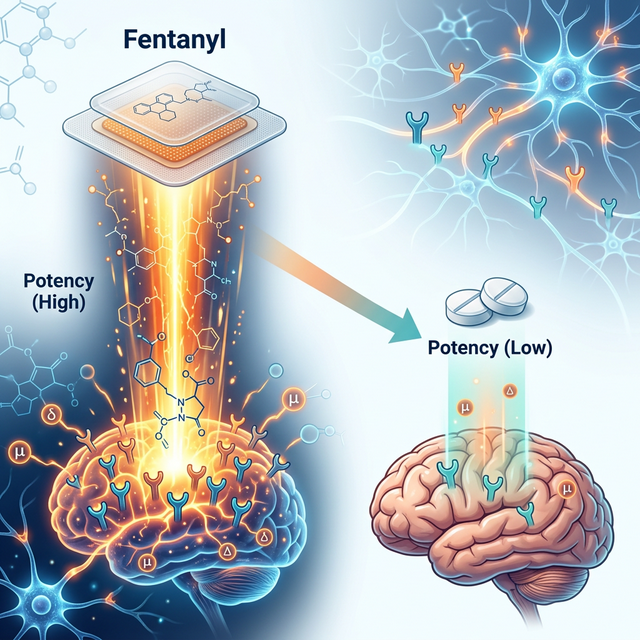
Fentanyl and Tramadol (Ultram) are both synthetic opioids used in the American healthcare system, but they exist on opposite ends of the analgesic 'Step-Ladder.' One is a high-potency 'Master Blocker,' while the other is a unique 'Hybrid' medication.
- Fentanyl: 100x stronger than morphine; purely targets opioid receptors.
- Tramadol: Roughly 1/10th the strength of morphine; targets both opioid receptors and serotonin/norepinephrine levels.
Because they function through different chemical pathways, they carry vastly different risks for breathing failure (Fentanyl) and seizures (Tramadol).

Dr. Kelsey Hopkins, MD
Dr. Hopkins practices rural family medicine in Southern Illinois, with a focus on community healthcare and chronic pain management.
Quick Reference Comparison
| Clinical Feature | Fentanyl | Tramadol |
|---|---|---|
| U.S. DEA Status | Schedule II (High Restriction) | Schedule IV (Lower Restriction) |
| Primary Action | Pure Mu-Opioid Agonist | Mu-Agonist + SNRI Activity |
| MME Comparison | 100.0 (Extreme) | 0.1 (Low Potency) |
| Metabolism | CYP3A4 Phase | CYP2D6 & CYP3A4 Phase |
| Primary Risk | Respiratory Arrest | Seizures / Serotonin Syndrome |
Clinical Profile: Fentanyl
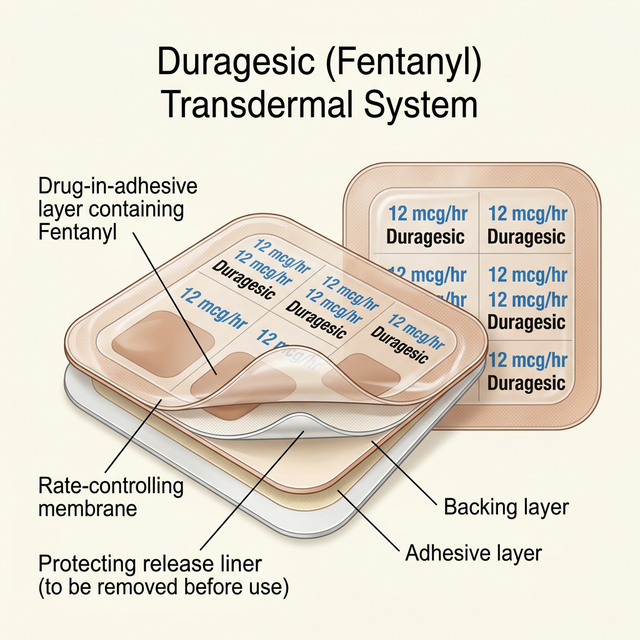
Fentanyl is a specialized tool for chronic or surgical pain within the USA. Its features include:
- Versatile Route: Most common as a 3-day patch (Duragesic) for continuous, baseline relief.
- Synthetic Power: Highly lipophilic (fat-soluble), allowing it to enter the brain almost instantly.
- Controlled Access: Requires a strict written prescription for severe chronic pain only.
It is reserved for patients whose pain has reached a level that 'weak' opioids like Tramadol can no longer manage.
Clinical Profile: Tramadol
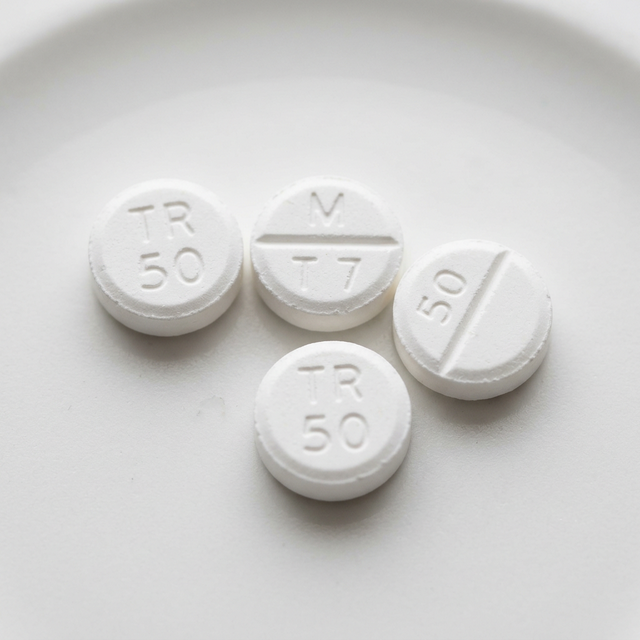
Tramadol is known by the brand name Ultram. In the U.S. medical system, it is valued for:
- Dual Action: It acts like a low-dose opioid and a low-dose antidepressant (SNRI) at the same time.
- Lower Abuse Profile: Traditionally considered to have a lower risk of addiction than stronger Schedule II drugs.
- Broad Use: Frequently used for moderate osteoarthritis or post-surgical recovery.
While 'weaker', it has more complex drug-to-drug interactions due to its dual chemical nature.
Mechanism of Action: How They Work
How do these molecules interact with American patients at the molecular level?
- Fentanyl: Mimicks natural endorphins and binds tightly to the brain's main pain receptors.
- Tramadol (M1 Metabolite): The liver must convert Tramadol into 'M1' before it provides strong pain relief.
- Tramadol (SNRI): Extends the time Serotonin and Norepinephrine stay in the spinal cord to 'muffle' pain.
Pure Agonist vs. Hybrid Action
Direct Block
Fentanyl targets only the Mu-Opioid 'switch'.
Metabolic Step
Tramadol requires the CYP2D6 liver enzyme to work properly.
Mood Path
Tramadol affects Serotonin levels in the brain.
The Potency Gap
Fentanyl is 1,000x stronger per milligram than Tramadol.
FDA-Approved vs. Off-Label Uses
FDA oversight and common U.S. medical practices:
- Fentanyl FDA: Persistent, moderate-to-severe chronic pain in opioid-tolerant patients.
- Tramadol FDA: Relief of moderate to moderately-severe pain.
- Tramadol Warning: FDA-restricted in children under 12 and during breastfeeding due to 'Ultra-Rapid Metabolism' risk.
Potency and Clinical Strength
Potency comparison based on MME (Morphine Milligram Equivalents):
- Fentanyl (100x): The most powerful opioid in common American medicine.
- Tramadol (0.1x): Ten times weaker than Morphine; the 'Starter' level of narcotics.
- Conversion: 50mg of Tramadol is only equal to about 5mg of Morphine.
Bioavailability & Metabolism
- Fentanyl (Patch): 92% bioavailability; provides a stable release over 72 hours.
- Tramadol (Oral): 70-75% bioavailability; requires the liver (CYP2D6) to create pain-cancelling molecules.
- The 'Genetic Wall': Approximately 10% of U.S. patients cannot process Tramadol because they lack the CYP2D6 enzyme.
Half-Life & Duration of Action
- Fentanyl: Provides 72-hour steady-state coverage.
- Tramadol: Provides 4-6 hours of relief; wears off quickly, leading to more frequent dosing.
- Risk: Tramadol's 'peaks and valleys' can lead to more frequent mood changes than the Fentanyl patch.
Clinical Efficacy and Indications
Effectiveness in U.S. clinical populations:
- Moderate Arthritis: Tramadol is often highly effective due to its SNRI activity.
- Chronic Malignancy: Fentanyl is the standard for dignity and comfort in terminal pain.
- Dental Care: Tramadol is frequently used as a safer alternative to Vicodin in the USA.
Typical Dosage and Administration
- Tramadol: Typical dose is 50mg-100mg every 4-6 hours.
- Fentanyl: Typical dose is 12mcg/hr to 100mcg/hr every 3 days.
- The Ceiling: Tramadol has a HARD maximum of 400mg per day to prevent seizures.
Side Effects and Adverse Reactions
Adverse reaction comparison in American clinics:
- Seizures: A specific risk with Tramadol, especially at higher doses (>400mg).
- Constipation: Both cause significant bowel slowing; Fentanyl is more severe.
- Mental Fog: Fentanyl causes heavy sedation; Tramadol can cause 'Jitteriness' (due to Serotonin).
Comprehensive Side Effect Analysis
| Adverse Event | Fentanyl (Strong) | Tramadol (Hybrid) |
|---|---|---|
| Nausea / Vomiting | High | High |
| Seizure Risk | Low | Extremely High (at Max dose) |
| Breathing Depression | Extremely High | Moderate |
| Constipation | Very High | Moderate |
| Mood Elevation / Jitters | Low | Moderate to High |
🔴 Fentanyl Risks
- Severe drowsiness and sleepiness
- Nausea and vomiting
- Narcotic-induced itching
- Heavy constipation
- Confusion in the elderly
🔴 Tramadol Risks
- Nausea and dizziness
- Headache
- Constipation
- Dry mouth
- Nervousness or Jitteriness
⚠ Critical Safety Note
Serious adverse reactions require immediate medical attention. The following are life-threatening signs:
- Serotonin Syndrome (Lethal mix with SSRIs)
- Lethal seizures (Tramadol overdose)
- Lethal respiratory arrest (Fentanyl overdose)
- Heat-induced patch overdose
- Coma
Safety, Addiction Risk, and Controlled Status
⚠ U.S. Regulation: FENTANYL: EXTREME | TRAMADOL: MODERATE
Safety regulations and risks in the United States:
- Drug Interactions: Tramadol must never be mixed with Antidepressants (Prozac, Zoloft) to avoid Serotonin Syndrome.
- The Heat Rule: Fentanyl patches will 'dump' a fatal dose if exposed to a hot tub or electric blanket.
- Federal Standing: Tramadol was re-scheduled to Schedule IV in the USA due to its abuse potential.
- Never exceed 400mg of Tramadol in a single day.
- Avoid alcohol completely with both medications.
- Fentanyl: Keep away from children and pets (Fatal if touched).
- Report involuntary muscle twitching or high fever immediately if on Tramadol.
Pharmacy Cost & U.S. Healthcare Access
- Tramadol: Extremely cheap generic ($5-$15 per month).
- Fentanyl: High-cost clinical medication ($60-$150).
- Insurance: Both are typically covered on basic insurance formularies.
Clinical Decision Flow: Which Should You Choose?
Clinical decision tree for U.S. patients:
- Choose Tramadol: For moderate arthritis, post-dental work, or if anti-inflammatories have failed.
- Choose Fentanyl: For severe, around-the-clock cancer pain or chronic refractory conditions.
U.S. Analgesic Ladder
Frequently Asked Questions
It is considered lower risk for addiction than Fentanyl, but it still carries risk and is a controlled substance.
At high doses, it lowers the brain's threshold for electrical surges because of its SNRI activity.
No. While related to codeine, it is not used as a cough suppressant in American medicine.
If swallowed, the liver destroys Fentanyl before it can work. The patch allows the medicine to enter the blood directly via the skin.
Per milligram, it is approximately 1,000x stronger than Tramadol.