Tramadol vs Codeine: Clinical Comparison, Potency & Side Effects

Tramadol (Ultram) and Codeine (Tylenol #3) are the primary 'first-line' opioids used in the United States for pain that OTC meds cannot handle. While they are often viewed as the 'weakest' narcotics, they are among the most complex in terms of how the body processes them. Tramadol is a synthetic, dual-action agent, while Codeine is a natural opiate derived directly from the poppy plant.
In the USA, both drugs are 'Prodrugs', meaning they are biologically inactive until your liver converts them. This creates a 'Genetic Lottery' where a U.S. patient's DNA determines if these drugs will work at all or if they will become dangerously toxic. This guide explores the metabolic risks, the seizure potential of Tramadol, and why U.S. pediatric guidelines have moved away from both drugs.

Dr. Kelsey Hopkins, MD
Dr. Hopkins practices rural family medicine in Southern Illinois, with a focus on community healthcare and chronic pain management.
Quick Reference Comparison
| Clinical Feature | Tramadol | Codeine |
|---|---|---|
| Drug Class | Synthetic Dual-Action Opioid | Natural Opiate (Phenanthrene) |
| DEA Schedule | Schedule IV | Schedule III (if Tylenol combo) |
| MME Potency | 0.1 (Low Potency) | 0.15 (Low Potency) |
| Mechanism | Mu-Opioid + SNRI boost | Converts to Morphine |
| Primary U.S. Form | Tramadol HCL | Codeine / Acetaminophen |
What is Tramadol?

Tramadol is a modern synthetic opioid that changed U.S. pain management in the 1990s. It works as a 'hybrid' medication—binding weakly to opioid receptors while also increasing serotonin and norepinephrine. This makes it a multi-purpose tool for American doctors treating everything from osteoarthritis to fibromyalgia.
What is Codeine?
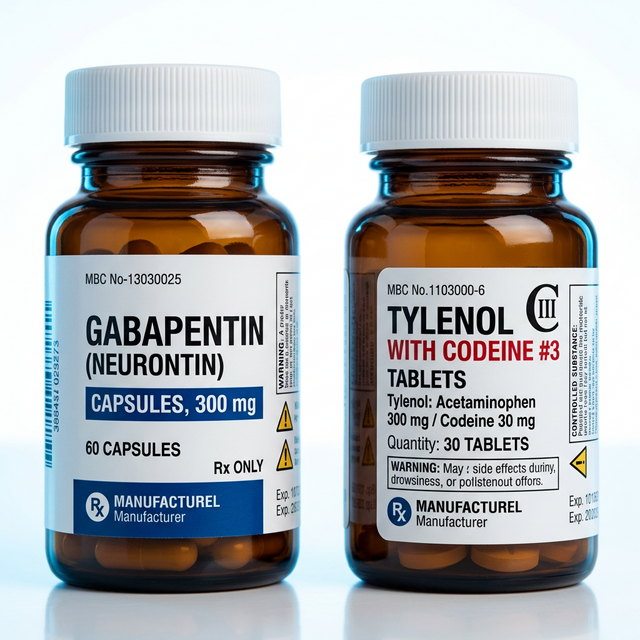
Codeine is one of the oldest pain relievers in the United States. In U.S. pharmacies, it is almost always paired with Acetaminophen (known as Tylenol #3 or T4). For decades, it was the standard starting point for post-dental surgery and cough suppression, though its use is declining due to its highly unpredictable metabolism.
Mechanism of Action: How They Work
Codeine is absolutely useless on its own. It is a 'Morphine-release' pill; your liver must turn it into Morphine for you to feel relief. Tramadol also relies on the liver, but it adds a 'boost' to your brain's internal mood and pain-fighting chemicals. In U.S. clinical terms, Codeine is a 'delivery system' for Morphine, while Tramadol is a chemical stabilizer.
Pathway Complexity Map
Metabolic Gate
Both require the CYP2D6 liver enzyme to 'unlock' their power.
Codeine Target
Converts to primary Morphine in the bloodstream.
Tramadol Target
Boosts Serotonin levels for dual-layer relief.
FDA-Approved vs. Off-Label Uses
- Tramadol: FDA-Approved for pain. Often used for chronic neuropathic pain in the USA.
- Codeine: FDA-Approved for mild-to-moderate pain and cough suppression (antitussive).
Potency and Clinical Strength
Both are in the 'weak' opioid category. Per milligram, Codeine is slightly stronger (0.15 MME) than Tramadol (0.1 MME). However, because Tramadol also has a non-opioid 'SNRI' component, U.S. patients often find it more effective for long-term chronic aches than Codeine.
Bioavailability & Metabolism
This is the 'Genetic Lottery'. 10% of U.S. Caucasians are 'Poor Metabolizers' of Codeine and will get NO relief. Conversely, 'Ultra-Metabolizers' can turn Codeine into a toxic, fatal dose of Morphine instantly. Tramadol has similar issues but to a much lesser clinical degree in the USA.
Half-Life & Duration of Action
Codeine lasts around 3 hours. Tramadol lasts around 6 hours. Codeine for pain in the USA is notorious for 'rebound' pain because it wears off so quickly, often requiring more frequent dosing than Tramadol.
Clinical Efficacy and Indications
Codeine is favored in the USA for cough and minor dental pain. Tramadol is favored for chronic arthritis and fibromyalgia. Clinical guidelines in the United States now strongly discourage the use of Codeine for children due to the metabolic death risk.
Typical Dosage and Administration
Codeine is dosed in 30mg-60mg increments. Tramadol is dosed at 50mg-100mg. Both are limited by safety ceilings: Tylenol toxicity for Codeine combos, and seizure risk for Tramadol.
Side Effects and Adverse Reactions
Codeine is famous in the USA for causing severe stomach upset (nausea) and constipation. Tramadol is more likely to cause dizziness, sweating, and 'brain fog'.
Comprehensive Side Effect Analysis
| Side Effect | Tramadol | Codeine |
|---|---|---|
| Nausea/Vomiting | Moderate | Extremely High |
| Constipation | Common | Very High |
| Seizure Risk | Significant | None |
| Itching (Histamine) | Low | Moderate |
🔴 Tramadol Risks
- Dizziness
- Sweating
- Loss of focus
- Nausea
🔴 Codeine Risks
- Stomach cramps
- Nausea
- Severe constipation
- Sudden drowsiness
⚠ Critical Safety Note
Serious adverse reactions require immediate medical attention. The following are life-threatening signs:
- Serotonin Syndrome (Tramadol)
- Ultra-Metabolism Toxicity (Codeine)
- Fatal Respiratory Depression
Safety, Addiction Risk, and Controlled Status
⚠ U.S. Regulation: Schedule IV (Tramadol) vs Schedule III (Codeine Combo)
Neither is considered a 'heavy' narcotic like Oxycodone, but both lead to physical dependence in U.S. patients within weeks. Codeine's addiction potential is slightly higher for euphoria, while Tramadol's withdrawal is more complex due to its serotonin effects.
- Codeine is strictly BANNED for use in U.S. children under 12.
- Tramadol carries a risk of seizures that Codeine does not have.
- Both medications can fail completely if the patient has certain liver types common in the USA.
Pharmacy Cost & U.S. Healthcare Access
Both are extremely cheap as generics. Tylenol #3 (Codeine) and Ultram (Tramadol) are usually available for under $10 at U.S. pharmacies with basic insurance or coupons.
Clinical Decision Flow: Which Should You Choose?
U.S. clinicians select based on the 'Symptom' and the 'Age'.
Low-Potency Decision Tree
Frequently Asked Questions
Tylenol #3 contains 300mg of Acetaminophen and 30mg of Codeine. It is the most common form of the drug dispensed in American pharmacies.
Usually, yes. Codeine is a natural opiate and Tramadol is a synthetic opioid. However, always consult a U.S. specialist before switching.
Milligram for milligram, they are very similar, but Tramadol is often more 'effective' for long-term chronic pain due to its serotonin boost.