Gabapentin vs Amitriptyline: Clinical Comparison, Potency & Side Effects
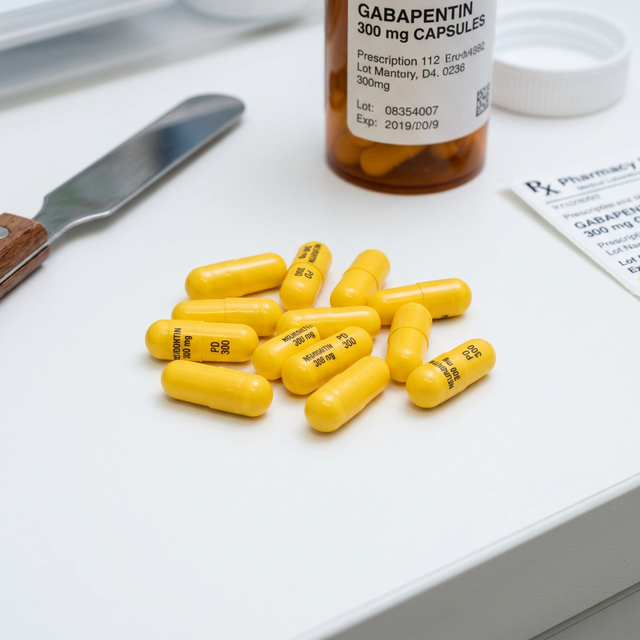
Gabapentin (Neurontin) and Amitriptyline (Elavil) are two of the most frequently prescribed medications for nerve-related pain in the USA. While neither began as a primary 'painkiller,' they have become first-line treatments for complex chronic conditions.
Gabapentin is an anti-seizure medication that was discovered to be highly effective for 'hyper-excited' nerves, while Amitriptyline is a Tricyclic Antidepressant (TCA) that boosts the body's internal pain-blocking neurotransmitters. In U.S. clinics, the choice between them often comes down to the patient's heart health, age, and whether or not they need help sleeping at night. This guide explains which agent is better for specific U.S. patient profiles.

Dr. Kelsey Hopkins, MD
Dr. Hopkins practices rural family medicine in Southern Illinois, with a focus on community healthcare and chronic pain management.
Quick Reference Comparison
| Clinical Feature | Gabapentin | Amitriptyline |
|---|---|---|
| Drug Class | Gabapentinoid (Anticonvulsant) | Tricyclic Antidepressant (TCA) |
| Primary Use | Nerve Pain / Seizures | Nerve Pain / Migraine / Depression |
| DEA Schedule | None / State Level V | Unscheduled |
| Primary Target | Calcium Channel Blockade | Serotonin/Norepinephrine Reuptake |
| Sleep Effect | Moderate Sedation | Strong Sedation (Sedative) |
What is Gabapentin?
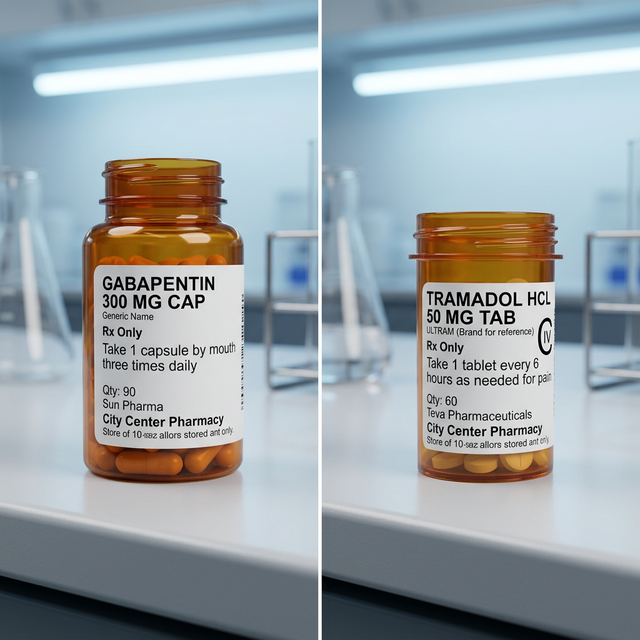
Gabapentin is the primary choice for 'nerve calming' in American medicine. It works by reducing the release of excitement-causing chemicals in the spinal cord. It is highly effective for localized nerve damage, like shingles or sciatica, without affecting the mood-based neurotransmitters.
What is Amitriptyline?

Amitriptyline is a 'legacy' antidepressant with a powerful second life as a painkiller. In the USA, it is used in low doses to boost the levels of serotonin and norepinephrine in the spinal cord, which physically blocks pain signals from travelling to the brain. It is extremely effective for nerve pain and tension headaches.
Mechanism of Action: How They Work
Gabapentin prevents the 'electricity' of pain from starting by quieting the nerve circuit. Amitriptyline, conversely, strengthens the body's internal 'descending inhibitory pathways'—essentially the body's own natural shield against pain signals. In U.S. neurology clinics, they are sometimes used together if one agent alone isn't enough.
Anticonvulsant vs. Antidepressant Mechanisms
VGCC Stabilization
Gabapentin stops nerves from firing uncontrollably.
Neurotransmitter Reuptake
Amitriptyline keeps Serotonin and Norepinephrine active longer.
Sedative Synergy
Both can be used to treat insomnia common in U.S. pain patients.
FDA-Approved vs. Off-Label Uses
- Gabapentin FDA: Post-herpetic Neuralgia and focal seizures. Frequently used off-label for anxiety and hot flashes.
- Amitriptyline FDA: Major Depressive Disorder (MDD). Frequently used off-label for nerve pain, migraines, and insomnia.
Potency and Clinical Strength
Amitriptyline is active at much lower doses (10mg-75mg) for pain than Gabapentin (300mg-3600mg). While both are powerful, Amitriptyline is often considered 'stronger' for chronic tension-based pain and sleep-disturbed nerve pain.
Bioavailability & Metabolism
Amitriptyline is processed by the liver and has many potential drug interactions. Gabapentin bypasses the liver entirely and is filtered by the kidneys. This makes Gabapentin the 'cleaner' choice for U.S. patients already on multiple medications.
Half-Life & Duration of Action
Amitriptyline has a long half-life (around 10-28 hours) and is usually taken only once at bedtime. Gabapentin has a shorter half-life (5-7 hours) and requires dosing three times daily for constant relief.
Clinical Efficacy and Indications
Both are highly effective for shingles and diabetic neuropathy. Amitriptyline is the clear winner for **Migraine prevention** and severe **Insomnia**, while Gabapentin is preferred for **Sciatica** and restless leg syndrome in the USA.
Typical Dosage and Administration
Amitriptyline for pain is dosed micro-scale (10mg-25mg at night). Gabapentin is dosed in large increments throughout the day. Taking Amitriptyline during the day in U.S. work environments is generally not recommended due to extreme grogginess.
Side Effects and Adverse Reactions
Both cause weight gain and drowsiness. Amitriptyline, however, has 'Anticholinergic' effects: dry mouth, dry eyes, constipation, and potential heart rhythm changes (especially in the elderly).
Comprehensive Side Effect Analysis
| Side Effect | Gabapentin Profile | Amitriptyline Profile |
|---|---|---|
| Dry Mouth | Low | Very High |
| Constipation | Low | High |
| Sedation | Moderate | Extreme |
| Cardiac Risk | None | Elevated (Arrhythmia) |
🔴 Gabapentin Risks
- Dizziness
- Leg Swelling
- Somnolence
🔴 Amitriptyline Risks
- Extreme Dry Mouth
- Constipation
- Hangover grogginess
- Weight Gain
⚠ Critical Safety Note
Serious adverse reactions require immediate medical attention. The following are life-threatening signs:
- Cardiac Arrhythmia (Amitriptyline)
- Anaphylaxis
- Suicidal Ideation (both)
Safety, Addiction Risk, and Controlled Status
⚠ U.S. Regulation: Unscheduled Non-Narcotic Combination
Neither medication is a narcotic or federally controlled in the USA. However, they both depress the central nervous system. Combining them can lead to extreme daytime sleepiness and increased fall risk, especially for American seniors (Beers Criteria warning).
- Amitriptyline is generally avoided in U.S. patients over 65.
- Both medications require weeks to reach full effectiveness.
- Both require a slow taper to avoid rebound symptoms.
Pharmacy Cost & U.S. Healthcare Access
Both are among the cheapest medications in the American pharmacy system. A month of either generic often costs less than $10 without insurance.
Clinical Decision Flow: Which Should You Choose?
Doctors look at the patient's 'Sleep Needs' and 'Age'.
Non-Opioid Decision Logic
Frequently Asked Questions
In the USA, it is an antidepressant, but at low doses (10-50mg), it is primarily used as a powerful nerve pain stabilizer.
Both are associated with weight gain in U.S. clinical trials, but Amitriptyline is often cited as having a slightly higher metabolic impact.
Yes, this is a common U.S. neurology strategy to manage 24-hour nerve pain while ensuring the patient gets restorative sleep.