Gabapentin vs Dilaudid: Clinical Comparison, Potency & Side Effects
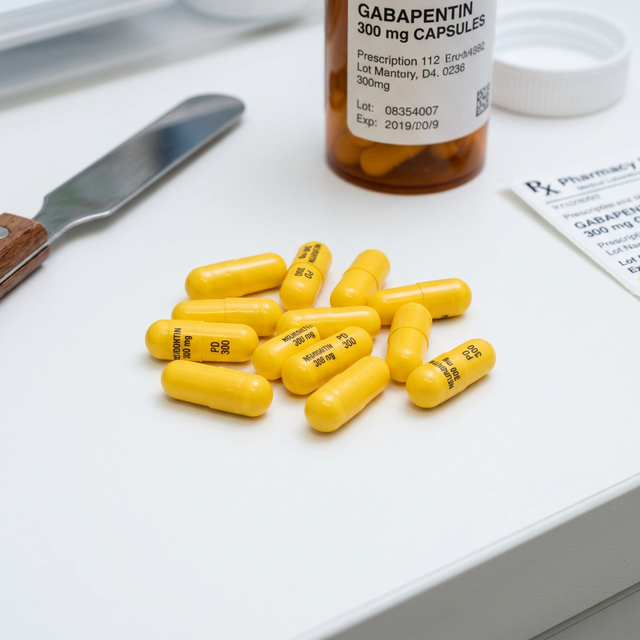
Gabapentin and Dilaudid (Hydromorphone) represent the dual-treatment approach for complex chronic pain in the U.S. healthcare system. One 'quiets' hyper-excited nerves, while the other 'masks' severe surgical or breakthrough pain.
Dilaudid is one of the most powerful oral and injectable narcotics available in the United States, often reserved for catastrophic injury or major surgery. Gabapentin, conversely, is a non-opioid foundation for chronic nerve pain.
In the USA, 'Dilaudid-Sparing' is a major clinical goal. By starting Gabapentin early, doctors aim to provide enough background nerve relief to avoid the high risk of respiratory suppression and addiction associated with pure Hydromorphone. This guide explores the massive potency gap, the synergistic benefits, and the extreme safety protocols required when these two interact.

Dr. Kelsey Hopkins, MD
Dr. Hopkins practices rural family medicine in Southern Illinois, with a focus on community healthcare and chronic pain management.
Quick Reference Comparison
| Clinical Feature | Gabapentin | Dilaudid |
|---|---|---|
| Drug Class | Nerve Agent (Gabapentinoid) | Potent Semi-Synthetic Opioid |
| DEA Schedule | None / State Level V | Schedule II (High Control) |
| MME Potency | 0 (Non-Narcotic) | 4.0 (Extremely High) |
| Primary Target | Calcium Channel Signals | Mu-Opioid Receptors (Central) |
| Common U.S. Forms | Capsules, Tablets | Pills, IV, Liquid, Suppositories |
What is Gabapentin?
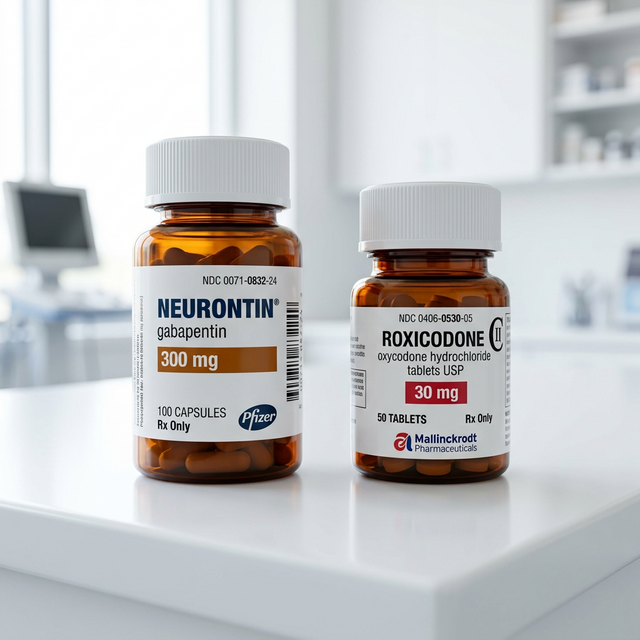
Gabapentin is the primary non-opioid used in the United States to stabilize overactive nerves. It doesn't block pain receptors like a narcotic; instead, it prevents the over-release of 'excitatory' chemicals that carry pain signals to the brain. It is the gold standard for chronic neuropathy.
What is Dilaudid?
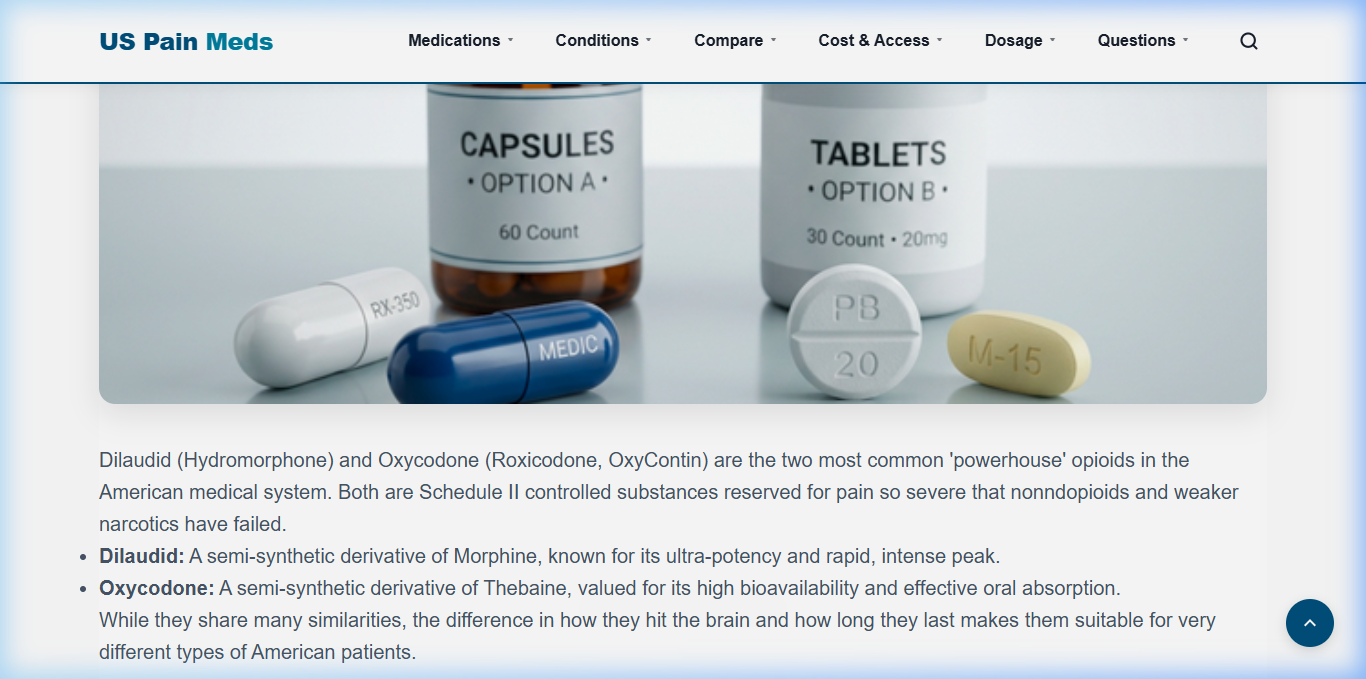
Dilaudid (Hydromorphone) is a heavy-duty semi-synthetic opioid. In the USA, it is often referred to as 'hospital grade' because it is frequently used in ERs and ICUs for severe trauma. It is roughly 4-5 times stronger than Morphine, milligram for milligram, making it extremely effective but very high risk.
Mechanism of Action: How They Work
Dilaudid physically binds to the mu-opioid receptors with massive affinity, blocking the brain's ability to even acknowledge a pain signal. Gabapentin works lower in the spinal column to reduce the electricity flowing through damaged nerves. In U.S. 'ERAS' (Enhanced Recovery) protocols, using both allows for 'site' and 'brain' blockade at once.
Intensive Pain Management Strategy
Nerve Stabilization
Gabapentin reduces the baseline 'noise' of firing nerves.
High-Affinity Block
Dilaudid shuts down the central pain perception center.
Opioid Sparing
Gabapentin use drastically lowers the needed Dilaudid dose.
FDA-Approved vs. Off-Label Uses
- Gabapentin FDA: Shingles pain (PHN) and focal seizures. Used Off-Label for all major neuropathies.
- Acute Use: Generally reserved for post-surgical pain or bone fractures in the ER. FDA-Approved for Moderate to Severe Acute and Chronic pain in opioid-tolerant patients.
Potency and Clinical Strength
Dilaudid is a 'Heavyweight' opioid with an MME of 4.0. This means 1mg of Dilaudid is as strong as 4mg of Morphine. Gabapentin has no such rating as it does not affect the opioid system. However, Gabapentin is the 'Foundation' that makes the high-potency opiate safer to use.
Bioavailability & Metabolism
Dilaudid is rapidly metabolized by the liver, but unlike Codeine, it does not require a genetic lottery to work. Gabapentin bypasses the liver entirely and is filtered by the kidneys. This 'Liver vs Kidney' split is essential for managing pain in U.S. patients with complex organ failure.
Half-Life & Duration of Action
Dilaudid IR has a very short half-life (2.3 hours). It 'hits' hard and 'fades' fast. Gabapentin lasts 5-7 hours. Because Dilaudid fades so quickly, it has a high potential for 'rebound pain' and addiction in U.S. patient populations.
Clinical Efficacy and Indications
Dilaudid is unrivaled for severe post-surgical trauma or kidney stones. Gabapentin is superior for long-term neuropathy. Combining them is the gold standard for managing 'mixed' chronic cancer pain in the USA.
Typical Dosage and Administration
Dilaudid is dosed in tiny amounts (2mg-8mg). Gabapentin uses gram-scale dosing (300mg-3600mg). Administering a 300mg dose of Dilaudid by mistake is a fatal hospital error; U.S. providers use extreme caution when these two appear on the same chart.
Side Effects and Adverse Reactions
Common side effects of both include significant dizziness and fatigue. Dilaudid adds the risk of severe nausea, constipation, and an intense 'euphoric' feeling that leads to rapid dependence.
Comprehensive Side Effect Analysis
| Side Effect | Gabapentin Profile | Dilaudid Profile |
|---|---|---|
| Nausea | Rare | Very High |
| Constipation | Low | Extreme |
| Dependency Risk | Low | Extremely High |
| Dizziness | High | High |
🔴 Gabapentin Risks
- Dizziness
- Somnolence
- Ataxia (Unsteadiness)
🔴 Dilaudid Risks
- Pruritus (Itching)
- Nausea
- Vomiting
- Confusion
⚠ Critical Safety Note
Serious adverse reactions require immediate medical attention. The following are life-threatening signs:
- Fatal Respiratory Depression
- Overdose Syndrome
- Anaphylaxis
Safety, Addiction Risk, and Controlled Status
⚠ U.S. Regulation: Schedule II (Dilaudid) High-Risk Combination
Dilaudid is a high-potency derivative of morphine, roughly 5-8 times stronger milligram-for-milligram. The U.S. FDA warned specifically that combining it with Gabapentin increases the risk of fatal breathing failure. Narcan (Naloxone) is almost always recommended for U.S. patients using this combination at home.
- Dilaudid has a black box warning for its high addiction potential.
- Gabapentin can worsen the fall risk in patients using potent narcotics.
- Sudden discontinuation of both can lead to extreme withdrawal and seizures.
Pharmacy Cost & U.S. Healthcare Access
Both are widely available as low-cost generics in the USA. However, Dilaudid is subject to strict 'Quantity Limits' and regulatory oversight that can make obtaining refills difficult for chronic U.S. pain patients.
Clinical Decision Flow: Which Should You Choose?
U.S. surgeons decide based on the 'Intensity' vs 'Duration' of the surgical trauma.
High-Potency Decision Logic
Frequently Asked Questions
Yes. Milligram for milligram, Dilaudid (Hydromorphone) is significantly more powerful than Oxycodone or Morphine.
Yes, in the USA, Gabapentin is often used to manage the 'electric and skin-crawling' sensations that occur during opioid detox.
Because its potency is so high that it is very easy to overdose at home without the professional monitoring provided in a U.S. hospital.