Gabapentin vs Methadone: Clinical Comparison, Potency & Side Effects
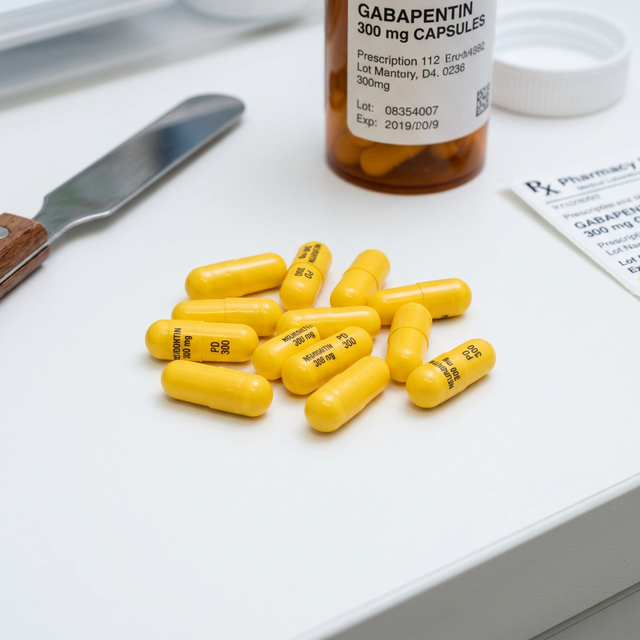
Gabapentin (Neurontin) and Methadone (Dolophine) are two of the most complex medications used in U.S. chronic pain management. While they have vastly different origins—Methadone being a long-acting synthetic opioid and Gabapentin a non-opioid nerve agent—they are frequently used together for intractable 'mixed' pain (both nerve and tissue damage).
In the United States, Methadone is unique because it also has some NMDA receptor antagonism, giving it slight 'nerve-pain' properties of its own. This guide explores the synergy between these two agents, the extreme importance of cardiac (QTc) monitoring, and why this specific combination is reserved for only the most experienced U.S. pain specialists.

Dr. Kelsey Hopkins, MD
Dr. Hopkins practices rural family medicine in Southern Illinois, with a focus on community healthcare and chronic pain management.
Quick Reference Comparison
| Clinical Feature | Gabapentin | Methadone |
|---|---|---|
| Drug Class | Gabapentinoid | Long-Acting Synthetic Opioid |
| DEA Schedule | None / State Level V | Schedule II (Highest Control) |
| Primary Target | Calcium Channel Nerve Signals | Mu-Opioid + NMDA Receptors |
| Half-Life | 5 - 7 Hours | 24 - 60+ Hours (Extremely Long) |
| Common U.S. Use | Neuropathy | Chronic Pain / OUD Treatment |
What is Gabapentin?
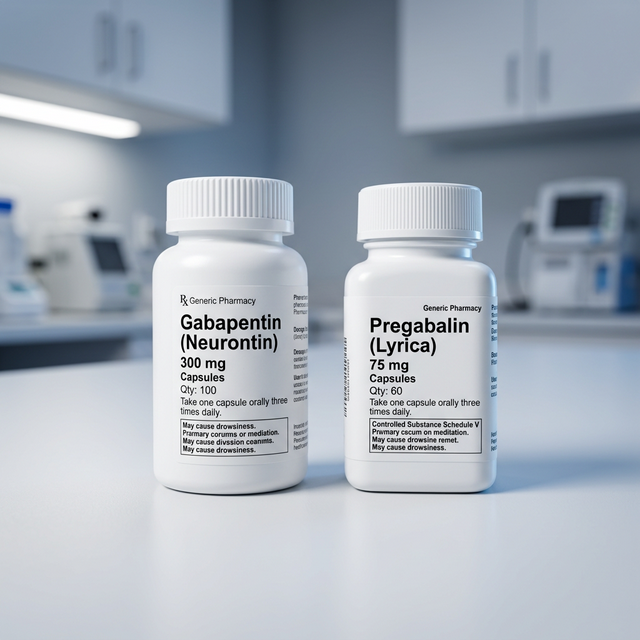
Gabapentin is the standard-of-care nerve stabilizer in American medicine. It works by 'calming' hyper-excited electrical pathways in the spinal cord and brain. It is non-addictive and does not carry the high risks of respiratory arrest seen with narcotics when used alone.
What is Methadone?

Methadone is a potent, long-acting opioid. Unlike shorter narcotics like Oxycodone, Methadone stays in the system for days, providing a very steady level of relief. In the USA, it is used for severe chronic pain and as a cornerstone for treating Opioid Use Disorder (OUD) due to its ability to prevent withdrawal without the same 'high' as short-acting drugs.
Mechanism of Action: How They Work
Methadone acts on both the mu-opioid receptor (like other narcotics) and the NMDA receptor (which handles 'wind-up' nerve pain). Gabapentin complements this by blocking the voltage-gated calcium channels. In a U.S. clinical setting, this 'Triple-Targeting' approach is used for patients who have failed every other form of pain relief.
Combined NMDA & VGCC Action
VGCC Block
Gabapentin reduces the secret release of excitatory chemicals.
Opioid Signal
Methadone kills the perception of intense physical pain.
NMDA Antagonism
Methadone helps reset hyper-sensitive nerve pathways.
FDA-Approved vs. Off-Label Uses
- Gabapentin: FDA-Approved for PHN and Seizures. Used extensively for all nerve-related pain.
- Methadone: FDA-Approved for Severe Chronic Pain and detoxification/maintenance of opioid addiction.
Potency and Clinical Strength
Methadone potency is 'Variable'—it gets stronger the longer you take it as it builds up in the U.S. patient's body. At low doses, it is roughly 4x Morphine, but at high doses, it can be 12x Morphine or more. Gabapentin has no narcotic potency rating.
Bioavailability & Metabolism
Methadone is heavily processed by the liver and is notorious for interacting with almost any other medication that affects the 'CYP' enzyme family. Gabapentin is the exact opposite—skipping the liver and filtering unchanged through the kidneys, making it a safer 'add-on' agent for those on complex drug regimens.
Half-Life & Duration of Action
This is the most dangerous difference. Gabapentin is gone in 24 hours. Methadone persists in the fat cells and blood for days. A U.S. patient can take the same dose for three days and feel fine, then overdose on day four as the drug 'accumulates'.
Clinical Efficacy and Indications
Methadone is uniquely effective for 'mixed' pain where there is both tissue damage and nerve sensitization. Gabapentin is the king of pure neuropathy. Together, they form a powerful last-line defense in U.S. pain specialty clinics.
Typical Dosage and Administration
Methadone is dosed in very small increments (2.5mg - 10mg) often only once or twice a day. Gabapentin requires large doses (600mg+) multiple times per day. The 'micro-dose' nature of Methadone makes it extremely high-risk for accidental overdose in American homes.
Side Effects and Adverse Reactions
Both cause extreme sedation and cognitive 'clouding'. Methadone specifically carries a risk of 'Long QT Syndrome' (a cardiac rhythm issue) and severe constipation.
Comprehensive Side Effect Analysis
| Side Effect | Gabapentin Profile | Methadone Profile |
|---|---|---|
| Cardiac Risk | None | High (QTc Interval) |
| Constipation | Low | Extremely High |
| Weight Gain | Moderate | Moderate |
| Sleep Apnea | Risk Factor | Severe Risk |
🔴 Gabapentin Risks
- Dizziness
- Leg Swelling (Edema)
- Somnolence
🔴 Methadone Risks
- Sweating (Diaphoresis)
- Constipation
- Nausea
- Dry Mouth
⚠ Critical Safety Note
Serious adverse reactions require immediate medical attention. The following are life-threatening signs:
- Fatal Cardiac Arrhythmia
- Respiratory Arrest (Delayed)
- Severe Overdose Syndrome
Safety, Addiction Risk, and Controlled Status
⚠ U.S. Regulation: Schedule II (Methadone) / Unscheduled (Gaba)
Methadone is arguably the most controlled oral medication in the USA. While Gabapentin is non-addictive, the U.S. FDA warns that combining it with Methadone creates a massive risk for respiratory failure. Because Methadone lasts so long, an overdose can be slow and hard to detect until it is too late.
- Baseline EKG is recommended before starting Methadone in the USA.
- Methadone has a significantly higher rate of 'Sleep Death' than short-acting opioids.
- Gabapentin can worsen the 'fog' and breathing suppression of Methadone.
Pharmacy Cost & U.S. Healthcare Access
Methadone is extremely cheap as a generic. In many U.S. states, it is the lowest-cost pain option for those without insurance, though its management requires more frequent (and costly) doctor visits for safety monitoring.
Clinical Decision Flow: Which Should You Choose?
Selection is based on the 'Duration' of the pain and the 'Experience' of the clinician.
Expert-Level Decision Tree
Frequently Asked Questions
No. In the USA, it is a very common and effective primary pain medication, though it is used in different dosing schedules than for addiction treatment.
Because it builds up in the body over several days. You can take a safe dose for three days and die on the fourth because the level in your blood has reached a toxic peak.
Yes, by attacking the nerve signal from a non-opioid direction, it often allows patients to take a lower, safer dose of Methadone.