Tramadol vs Naproxen: Clinical Comparison, Potency & Side Effects
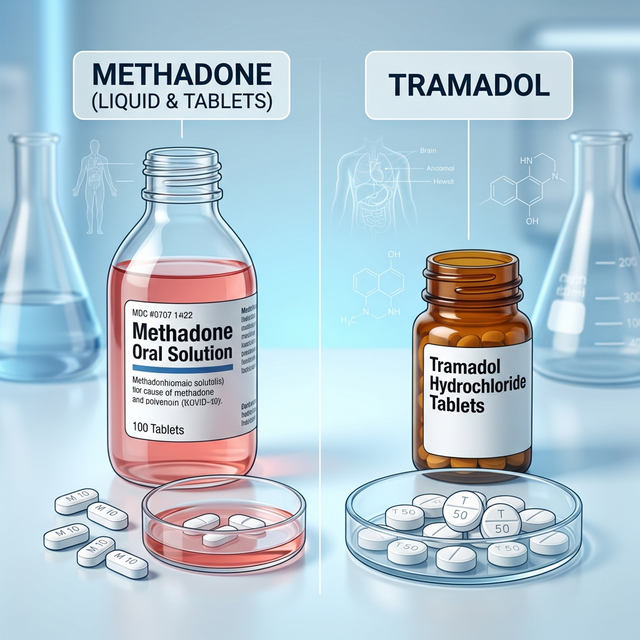
Tramadol (Ultram) and Naproxen (Aleve, Naprosyn) are two mainstays of 'Moderate' pain control in the United States. Naproxen is a non-opioid anti-inflammatory prized for its 12-hour staying power, while Tramadol is a Schedule IV 'dual-action' opioid that addresses both pain receptors and nerve signals. In the USA, they are often used as alternatives to one another for chronic conditions like lower back pain.
The choice between them often depends on 'Duration' vs 'Mechanism'. Naproxen is great for round-the-clock inflammation control, while Tramadol is often more effective for 'flares' or pain that has a neuropathic component. This guide explores the U.S. safety profiles of both, focusing on why American doctors often combine them for enhanced relief.

Dr. Kelsey Hopkins, MD
Dr. Hopkins practices rural family medicine in Southern Illinois, with a focus on community healthcare and chronic pain management.
Quick Reference Comparison
| Clinical Feature | Tramadol | Naproxen |
|---|---|---|
| Drug Class | Synthetic Dual-Action Opioid | Long-Acting NSAID |
| DEA Schedule | Schedule IV | OTC / Unscheduled |
| Duration | 4 - 6 Hours (Short Acting) | 12 Hours (Long Acting) |
| Primary Target | Brain Pain Center | Inflammation Enzymes (COX) |
| Addiction Risk | Moderate | None / Zero |
What is Tramadol?
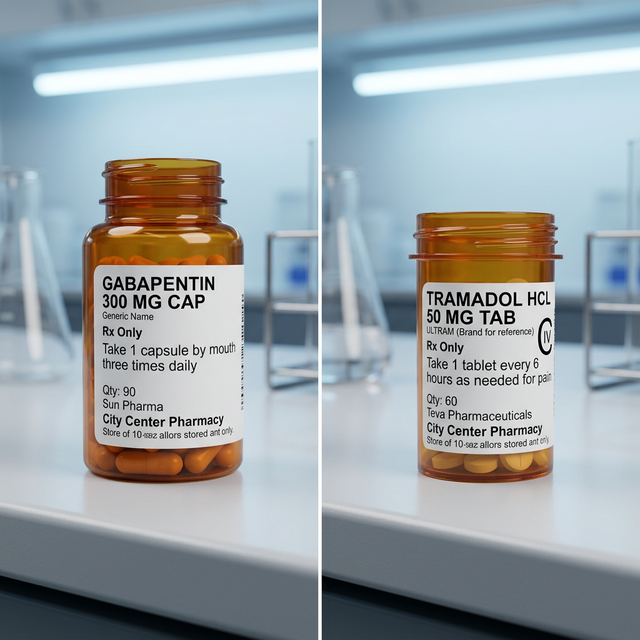
Tramadol is a synthetic opioid hybrid. It works in the brain to block pain signals and increase chemicals like serotonin. In the USA, it is a second-line treatment for pain that doesn't respond to standard anti-inflammatories, or for patients who have 'Mixed' pain (inflammation + nerve irritation).
What is Naproxen?
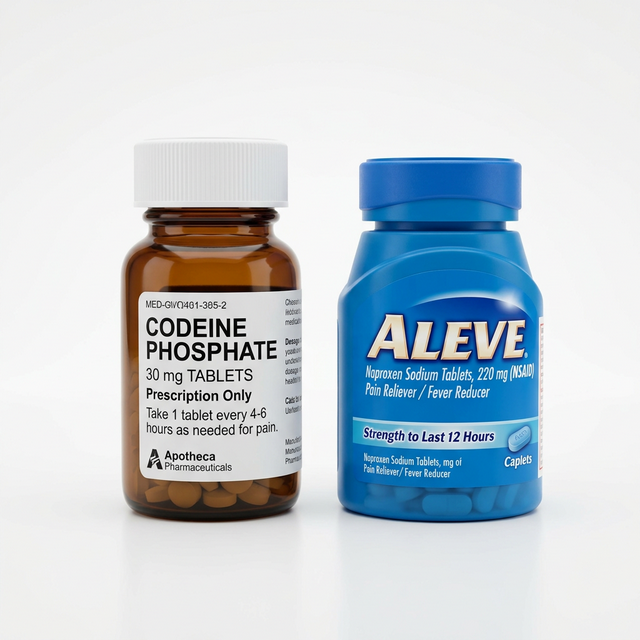
Naproxen is a potent non-steroidal anti-inflammatory drug (NSAID) famous for its longevity. Known as Aleve in U.S. pharmacies, it allows patients to take just two pills a day for 24-hour coverage. In the USA, it is the first choice for chronic arthritis swelling and menstrual cramp relief due to its superior anti-prostaglandin power.
Mechanism of Action: How They Work
Naproxen shuts down the COX-2 enzyme for a long period, preventing the body from sending 'emergency' inflammation signals. Tramadol stays in the brain, changing the way those signals excite your neurons. In U.S. clinical terms, Naproxen 'quiets the storm' while Tramadol 'sets the thermostat' higher for pain tolerance.
Pathway Logic Comparison
COX Inactivation
Naproxen blocks swelling for 12 full hours.
Opioid Signal
Tramadol changes brain pain-perception centers.
Dual Attack
Combining them targets inflammation and signal processing.
FDA-Approved vs. Off-Label Uses
- Tramadol: FDA-Approved for pain. Frequently used for chronic osteoarthritis in the USA.
- Naproxen: FDA-Approved for pain, inflammation, and stiffness. Standard for U.S. sports medicine.
Potency and Clinical Strength
For **Swelling and Stiffness**, Naproxen is clinically superior to Tramadol. For **Deep Bone Pain** or Post-Op recovery, the opioid action of Tramadol is generally considered 'stronger' in terms of patient-reported relief in American hospitals.
Bioavailability & Metabolism
Tramadol requires the liver to 'turn it on'. Naproxen is absorbed easily and then processed by both the liver and kidneys. In the USA, clinicians are particularly cautious with Naproxen in U.S. patients over 65 due to its long-lasting impact on kidney function.
Half-Life & Duration of Action
Naproxen has a massive 12-15 hour half-life, allowing for twice-daily dosing. Tramadol has a 6-hour half-life, usually requiring dosing 4 times per day. The 'Convenience Factor' of Naproxen is a major selling point in U.S. clinical consultations.
Clinical Efficacy and Indications
Naproxen is the 'Gold Standard' for Gout, Rheumatoid Arthritis, and Ankylosing Spondylitis. Tramadol is often preferred for chronic back pain where the patient is already taking other NSAIDs or has stomach sensitivity to long-acting anti-inflammatories.
Typical Dosage and Administration
Naproxen is typically 220mg-500mg. Tramadol is 50mg-100mg. In the USA, the biggest danger of Naproxen is 'silent' stomach bleeding, while the biggest danger of Tramadol is the 'seizure ceiling' at 400mg.
Side Effects and Adverse Reactions
Naproxen is famous in the USA for causing stomach pain, heartburn, and increased blood pressure. Tramadol is more likely to cause nausea, sweating, and dizziness. Long-term Naproxen use is a major cause of U.S. stomach ulcers.
Comprehensive Side Effect Analysis
| Side Effect | Tramadol | Naproxen |
|---|---|---|
| Stomach Bleeding | Rare | High |
| Heartburn | Low | Extremely High |
| Seizure Risk | Yes (if overdosed) | None |
| Nausea | High | Common |
🔴 Tramadol Risks
- Nausea
- Sweating
- Dizziness
- Insomnia
🔴 Naproxen Risks
- Heartburn
- Bloating
- Ring in the ears (Tinnitus)
- Stomach pain
⚠ Critical Safety Note
Serious adverse reactions require immediate medical attention. The following are life-threatening signs:
- Serotonin Syndrome (Tramadol)
- Internal Gastric Ulcer (Nap)
- Sudden Kidney Failure
Safety, Addiction Risk, and Controlled Status
⚠ U.S. Regulation: Schedule IV (Tramadol) vs Unscheduled (Naproxen)
Naproxen has no addiction risk, making it a foundation of U.S. 'Opioid-Sparing' strategies. Tramadol is a controlled substance with a risk of dependency and potentially fatal respiratory arrest if combined with alcohol.
- Naproxen carries a black-box warning for Heart Attack/Stroke risk if used long-term in the USA.
- Tramadol carries a seizure risk that Naproxen does not have.
- Always take Naproxen with a full glass of water and food to protect the stomach.
Pharmacy Cost & U.S. Healthcare Access
Naproxen is very cheap OTC ($6/bottle). Generic Tramadol is also affordable ($12/month). Both are staples of cost-conscious American medicine.
Clinical Decision Flow: Which Should You Choose?
U.S. clinicians balance 'Joint Stiffness' against 'Pain Perception'.
U.S. Mid-Level Selection
Frequently Asked Questions
Yes. Aleve is the common U.S. brand name for the Over-the-Counter version of Naproxen Sodium.
Yes. In the USA, clinicians often combine them to get 12-hour background relief (Naproxen) plus more intense peak-pain control (Tramadol).
Naproxen. It is a potent NSAID that significantly increases the risk of ulcers if used daily for more than 10-14 days.