Gabapentin vs Tramadol: Clinical Comparison, Potency & Side Effects
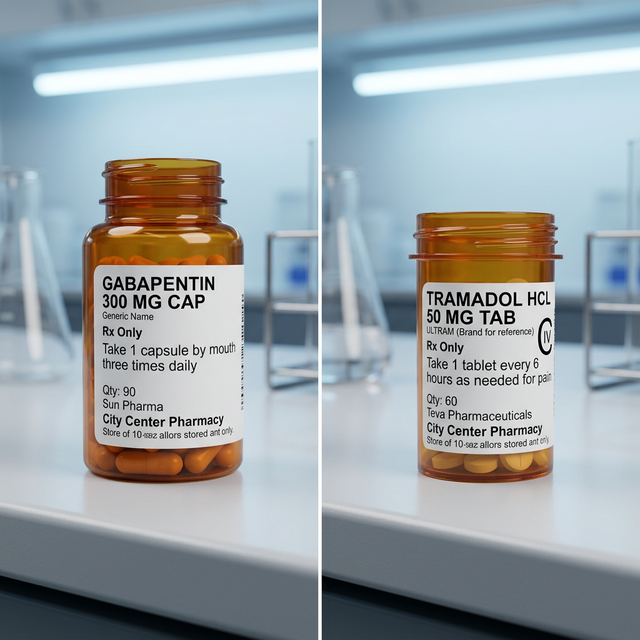
Gabapentin (Neurontin) and Tramadol (Ultram) are two cornerstone medications used for moderate pain in the United States. While they are frequently co-prescribed in 'multimodal' pain plans, they operate on entirely different biological levels. Gabapentin is a non-opioid that quiets 'misfiring' nerve signals, while Tramadol is a synthetic opioid that also boosts neurotransmitters like serotonin. This guide explains their unique roles, the synergistic benefits of using both, and the combined safety risks American patients must understand.

Dr. Kelsey Hopkins, MD
Dr. Hopkins practices rural family medicine in Southern Illinois, with a focus on community healthcare and chronic pain management.
Quick Reference Comparison
| Clinical Feature | Gabapentin | Tramadol |
|---|---|---|
| Drug Class | Gabapentinoid | Synthetic Opioid / SNRI |
| Primary Use | Nerve Pain (Neuropathy) | Acute & Chronic Moderate Pain |
| DEA Schedule | None / State Level V | Schedule IV |
| Mechanism | Calcium Channel Blockade | Mu-Opioid + Serotonin/Norepinephrine |
| Standard Dosing | 300mg - 1200mg TID | 50mg - 100mg Every 4-6h |
What is Gabapentin?

Gabapentin is a non-narcotic medication primarily used in the USA for neuropathic pain. It doesn't treat inflammation; instead, it targets the voltage-gated calcium channels in the spinal cord and brain to reduce 'electrical' pain signals. It is the first-line choice for chronic nerve damage.
What is Tramadol?
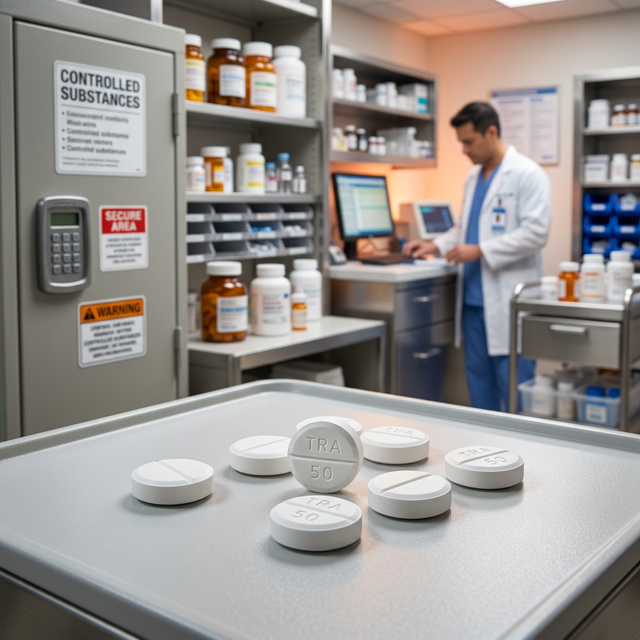
Tramadol is a unique, dual-action opioid. It hits the brain's mu-opioid receptors like traditional narcotics but also acts like an antidepressant by increasing levels of norepinephrine and serotonin. In the USA, it is often seen as a 'bridge' medication between OTC agents and stronger Schedule II opioids.
Mechanism of Action: How They Work
Gabapentin quiets the nerves at the source by inhibiting the release of excitatory chemicals. Tramadol, conversely, changes how the brain interprets those signals while simultaneously boosting the body's natural 'pain-damping' serotonin system. In U.S. hospitals, using both allows practitioners to attack pain from two different angles.
Dual Pathway Pain Control
Nerve Quieting
Gabapentin blocks VGCC to stop pain signal propagation.
Opioid Signal
Tramadol binds to opioid receptors to muffle pain intensity.
Serotonin Boost
Tramadol prevents reuptake of serotonin for mood/pain control.
FDA-Approved vs. Off-Label Uses
- Gabapentin: FDA-Approved for Postherpetic Neuralgia and Partial Seizures. Widely used Off-Label for all neuropathies.
- Tramadol: FDA-Approved for Moderate to Moderately Severe Pain in adults.
Potency and Clinical Strength
Tramadol is a narcotic with an MME (Morphine Milligram Equivalent) of 0.1. Gabapentin is not an opioid and has no MME rating. However, Gabapentin is considered far more 'potent' specifically for nerve-driven pain like sciatica or shingles.
Bioavailability & Metabolism
Tramadol requires the 'CYP2D6' liver enzyme to be effective. Patients who are 'poor metabolizers' may find Tramadol completely useless. Gabapentin bypasses the liver entirely and is cleared by the kidneys, making it a predictable agent for most U.S. patients, provided kidney function is normal.
Half-Life & Duration of Action
Both have half-lives in the 6-hour range. This is why both frequently require dosing three to four times per day for consistent relief in chronic U.S. pain cases.
Clinical Efficacy and Indications
Tramadol is superior for acute injury (nociceptive) pain. Gabapentin is superior for chronic nerve (neuropathic) pain. Combining them is often the most effective strategy for mixed chronic back pain in the United States.
Typical Dosage and Administration
Tramadol is limited to 400mg/day to avoid seizure risks. Gabapentin doses can go much higher, often reaching 3600mg/day in U.S. neurology specialty clinics.
Side Effects and Adverse Reactions
Shared side effects include dizziness and drowsiness. However, Tramadol carries the added risks of nausea, constipation, and serotonin-related issues.
Comprehensive Side Effect Analysis
| Side Effect | Gabapentin Profile | Tramadol Profile |
|---|---|---|
| Nausea | Rare | Very Common |
| Constipation | Low | Moderate |
| Dizziness | High | High |
| Seizure Risk | Low (Anti-convulsant) | Elevated at high doses |
🔴 Gabapentin Risks
- Dizziness
- Unsteadiness (Ataxia)
- Leg swelling
🔴 Tramadol Risks
- Nausea
- Vomiting
- Dry mouth
- Constipation
⚠ Critical Safety Note
Serious adverse reactions require immediate medical attention. The following are life-threatening signs:
- Serotonin Syndrome (Tramadol)
- Seizures (Tramadol)
- Respiratory Depression (especially when mixed)
Safety, Addiction Risk, and Controlled Status
⚠ U.S. Regulation: Schedule IV / V Combination
Tramadol is a Schedule IV narcotic with a noted potential for addiction and withdrawal. Gabapentin is increasingly regulated at the state level but remains broadly accessible. Mixing them increases the risk of 'Respiratory Depression'—where breathing slows to dangerous levels.
- Tramadol lowers the seizure threshold.
- Avoid SSRI antidepressants with Tramadol.
- Both medications require a gradual 'taper' to quit safely.
Pharmacy Cost & U.S. Healthcare Access
Both are widely available as generics and are considered Tier 1 (lowest cost) on almost every U.S. insurance plan, including Medicare.
Clinical Decision Flow: Which Should You Choose?
Doctors evaluate the 'type' of pain—is it an electrical burn (Gabapentin) or a physical ache (Tramadol)?
Nerve vs. Opioid Decision Tree
Frequently Asked Questions
No. Gabapentin is a non-opioid anticonvulsant. It has zero activity at the brain's mu-opioid receptors.
Many U.S. doctors prescribe this 'multimodal' combination to attack both the nerve and muscle/bone components of pain.
It can, due to its serotonin/norepinephrine effects, but it is generally second-line behind Gabapentinoids.