Tramadol vs Gabapentin: Clinical Comparison, Potency & Side Effects

Tramadol (Ultram) and Gabapentin (Neurontin) are often used together in American 'Multimodal Pain' regimens, but they belong to entirely different chemical worlds. Tramadol is an atypical opioid that acts on the brain's pain centers, while Gabapentin is a non-opioid nerve stabilizer that 'calms' the electrical signals in overactive nerves.
In the USA, this comparison is critical because Gabapentin is not a narcotic, making it much safer for long-term use in elderly or addiction-sensitive populations. This guide explores the 'Receptor' vs 'Channel' mechanisms and why U.S. doctors frequently combine these two to create an 'Opioid-Sparing' relief strategy.

Dr. Kelsey Hopkins, MD
Dr. Hopkins practices rural family medicine in Southern Illinois, with a focus on community healthcare and chronic pain management.
Quick Reference Comparison
| Clinical Feature | Tramadol | Gabapentin |
|---|---|---|
| Drug Class | Synthetic Dual-Action Opioid | Nerve Stabilizer (Gabapentinoid) |
| DEA Schedule | Schedule IV | Unscheduled (None / State Controlled) |
| Addiction Risk | Moderate (Opioid) | Low (Non-Narcotic) |
| Primary Target | Opioid Receptors + Serotonin | Calcium Nerve Channels |
| Primary U.S. Use | Moderate Acute/Chronic Pain | Neuropathy (Nerve Pain) |
What is Tramadol?
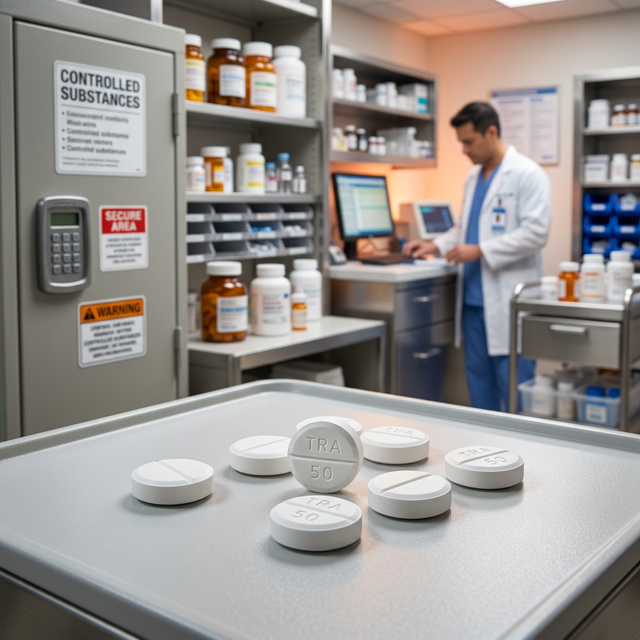
Tramadol is a synthetic opioid hybrid. It binds to the brain's pain receptors like a traditional narcotic, but it also boosts mood-related chemicals like serotonin. In the USA, it is the 'go-to' for pain that Ibuprofen can't handle but that doesn't yet require high-potency Schedule II drugs like Oxycodone.
What is Gabapentin?
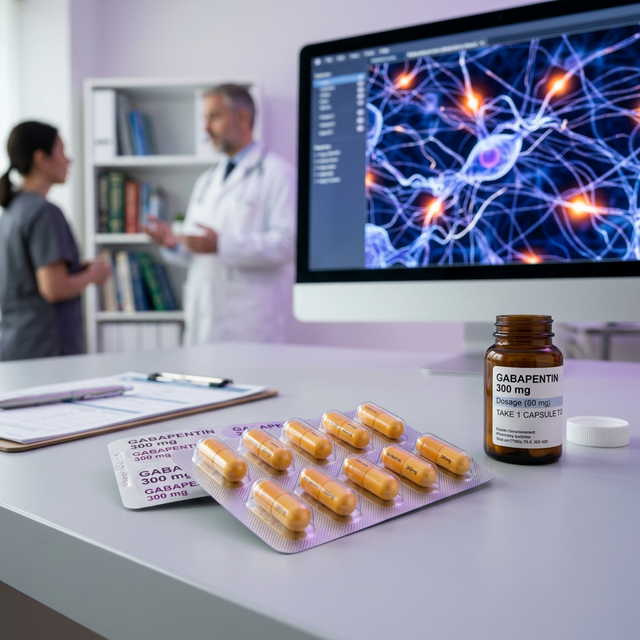
Gabapentin is the primary non-opioid choice for nerve pain in American medicine. Originally designed for seizures, it works by stabilizing the electrical 'noise' of damaged nerves. In the USA, it is the gold standard for treating shingles, diabetic neuropathy, and sciatica, all without the risk of respiratory arrest associated with narcotics.
Mechanism of Action: How They Work
Gabapentin works lower in the spinal cord to stop the 'fire' of a pain signal before it reaches the brain. Tramadol works in the brain to make that signal feel less intense. In U.S. clinics, this combination is powerful: Gabapentin stops the signal, and Tramadol kills whatever signal manages to get through.
Receptor vs. Channel Logic
Opioid Signal
Tramadol blocks the perception of pain centrally.
VGCC Block
Gabapentin stops the over-release of nerve signals.
SNRI Boost
Tramadol increases chemical pain-shields (Serotonin).
FDA-Approved vs. Off-Label Uses
- Tramadol: FDA-Approved for pain. Often used for fibromyalgia in the USA.
- Gabapentin: FDA-Approved for Postherpetic Neuralgia (Shingles) and Seizures. Used extensively off-label for all neuropathic pain.
Potency and Clinical Strength
You cannot compare these on an 'Opioid Potency' scale because Gabapentin is not an opioid. However, for **Pure Nerve Pain** (burning, shooting), Gabapentin is often 'stronger' and more effective than Tramadol, which works better for 'dull' aching pain.
Bioavailability & Metabolism
Gabapentin is unique: it skips the liver and is filtered unchanged through the kidneys. Tramadol, however, relies 100% on the liver to work. This makes Gabapentin much safer for U.S. patients with liver disease or those on complex multi-drug cocktail regimens.
Half-Life & Duration of Action
Both have similar durations (5-7 hours). Both typically require dosing 2-3 times per day in U.S. patient populations to maintain round-the-clock comfort.
Clinical Efficacy and Indications
Gabapentin is unrivaled for chronic Shingles or Sciatica. Tramadol is preferred for post-operative recovery or moderate injury pain. In many U.S. hospitals, they are used together to 'spare' the patient from needing higher-dose narcotics.
Typical Dosage and Administration
Gabapentin is dosed in large increments (300mg to 3600mg per day). Tramadol is dosed much lower (50mg to 400mg). Confusing these milligram numbers is a major oversight to avoid in American healthcare settings.
Side Effects and Adverse Reactions
Both cause significant dizziness and fatigue. Gabapentin adds the risk of leg swelling (edema), while Tramadol adds the risk of nausea, sweating, and seizures.
Comprehensive Side Effect Analysis
| Side Effect | Tramadol | Gabapentin |
|---|---|---|
| Nausea | High | Rare |
| Leg Swelling | None | Significant / High |
| Seizure Risk | Yes (at high dose) | None (is an anti-seizure drug) |
| Drowsiness | Moderate | High |
🔴 Tramadol Risks
- Nausea
- Sweating
- Dizziness
- Insomnia
🔴 Gabapentin Risks
- Leg swelling (Edema)
- Unsteadiness (Ataxia)
- Drowsiness
- Dry mouth
⚠ Critical Safety Note
Serious adverse reactions require immediate medical attention. The following are life-threatening signs:
- Serotonin Syndrome (Tramadol)
- Grand Mal Seizures (Tramadol)
- Severe Cognitive Fog (Gabapentin)
Safety, Addiction Risk, and Controlled Status
⚠ U.S. Regulation: Schedule IV (Tramadol) vs Unscheduled (Gabapentin)
Gabapentin is non-addictive and does not suppress breathing, making it a foundation of U.S. safety protocols. Tramadol is a controlled substance with a risk of dependency and potentially fatal respiratory arrest if combined with alcohol.
- Gabapentin is considered the safest 'long-term' nerve pain option in the USA.
- Tramadol carries a seizure risk that Gabapentin does not have.
- Both drugs can cause extreme dizziness in the first 7-14 days of use.
Pharmacy Cost & U.S. Healthcare Access
Both are extremely affordable generics in the USA. A standard month of either medication often costs less than $12 with insurance or coupons.
Clinical Decision Flow: Which Should You Choose?
U.S. neurologists decide based on the 'Type of Fire'.
U.S. Pain Step-Care
Frequently Asked Questions
No. Gabapentin belongs to a different class called Gabapentinoids. It has no effect on the brain's opioid receptors.
Yes. In the USA, this combination is a standard 'Multimodal' treatment to provide maximum relief with the lowest possible narcotic dose.
Both can cause extreme drowsiness, but Gabapentin is often more likely to cause 'cogntive fog' in the elderly.